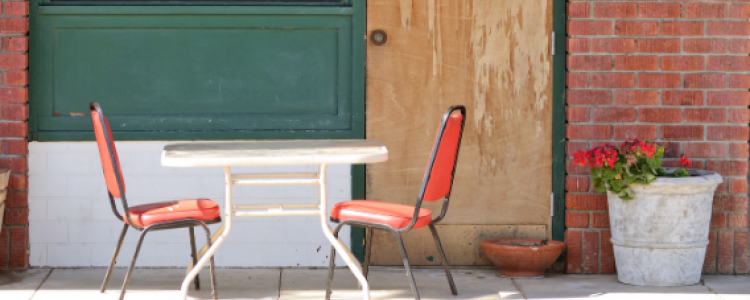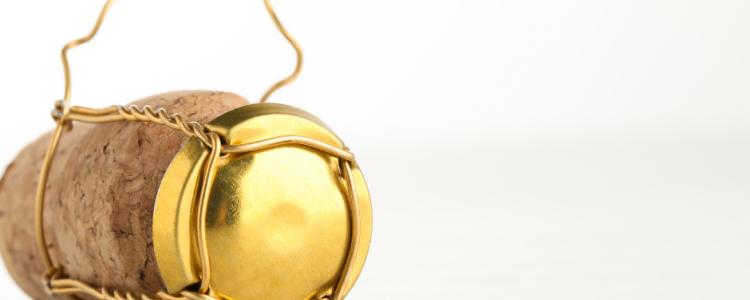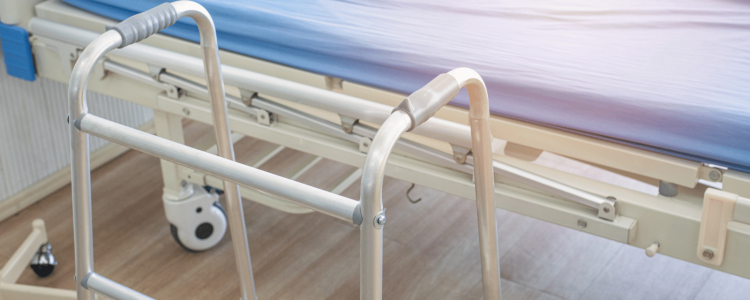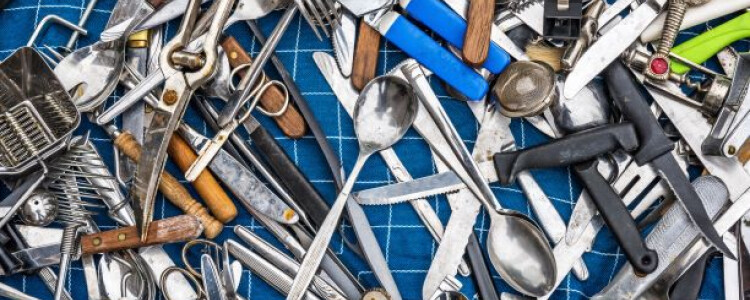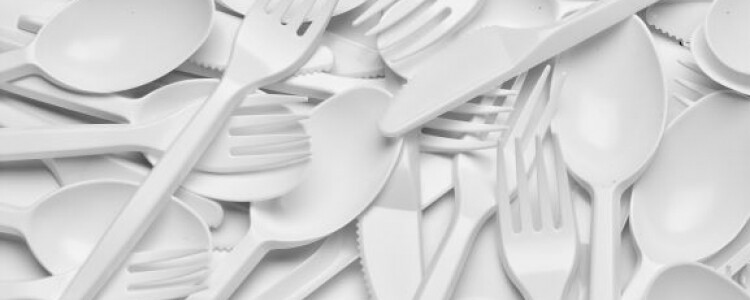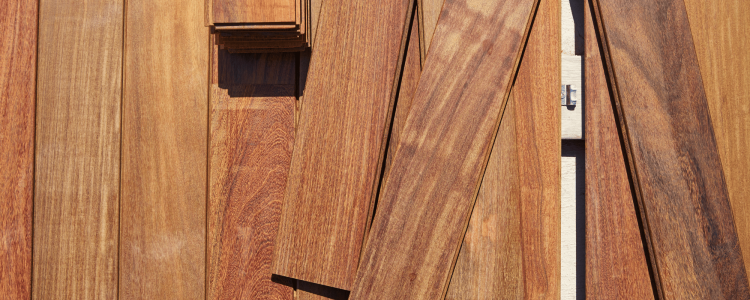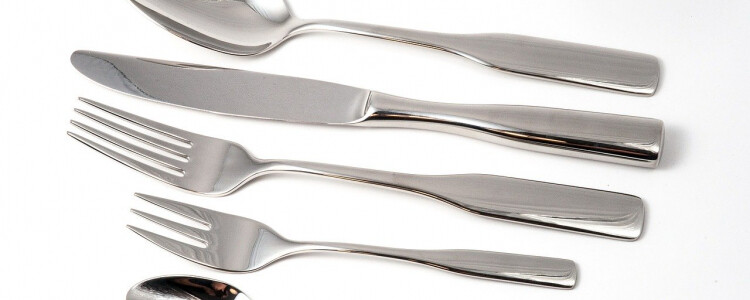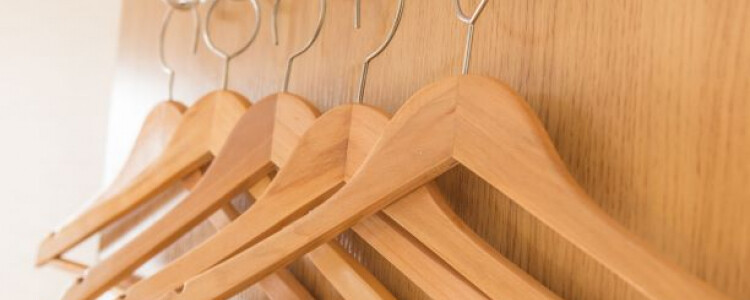
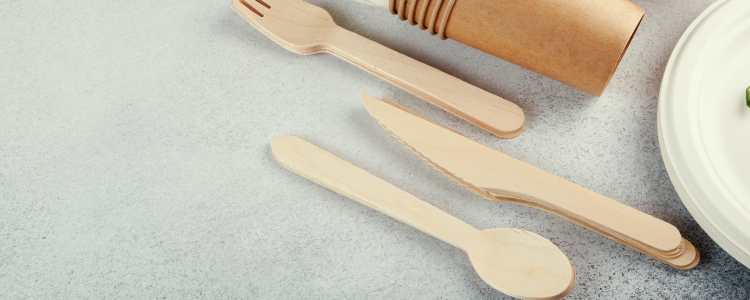
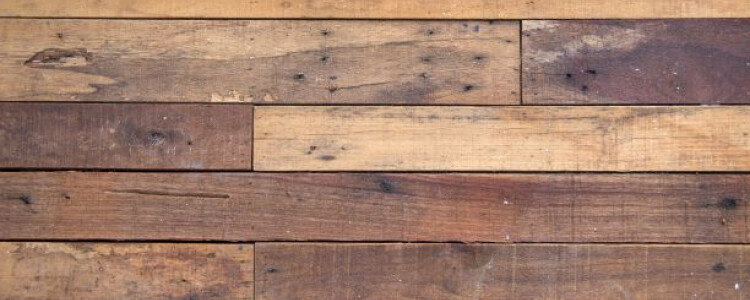
Wooden cutlery can be recycled in the ‘wood’ container at one of north London’s reuse and recycling centres. Alternatively, it can go in your rubbish bin at home.
A comprehensive list of everything we can help you to recycle – based on an original guide from the NLWA.
Contact Us

Alias: plastic pots, yogurt pots
Guidance
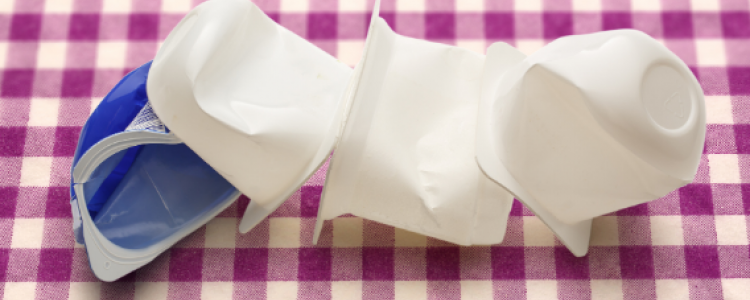
These can be recycled at home. Please just give them a quick rinse to make sure there is no food left inside. Remove film lids and any cardboard packaging but labels can be left on.

Alias: scan, xray
Guidance
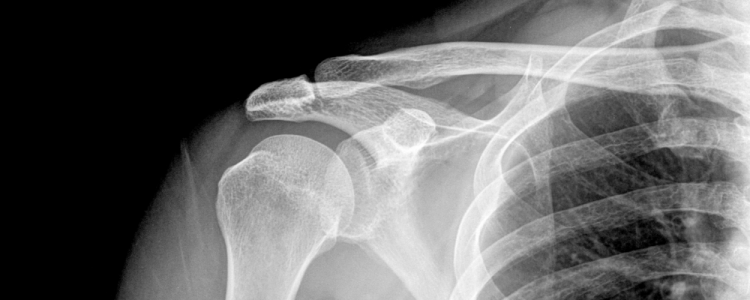
X-ray film cannot be put into your household recycling bin. Contact your hospital to see if they will accept it for recycling. The film contain small amounts of silver so there is real value in recycling it.
If the hospital won’t accept the x-ray film, search online for a (private) recycling company to take it.
If you are unable to recycle the x-ray film, it can go in your general waste bin.

Alias: wrapping paper, gift wrap
Guidance
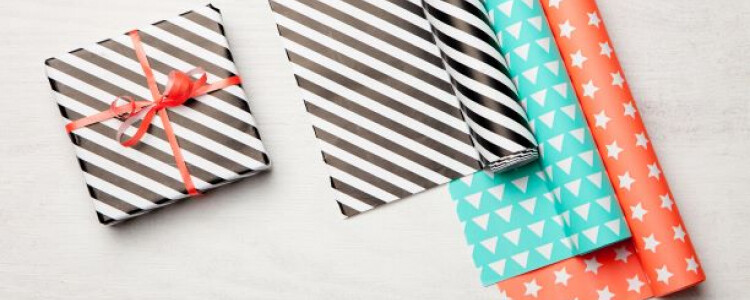
As long as it is not shiny and has no glitter on it, gift paper can be recycled. If you are unsure, do the ‘scrunch test’: scrunch the paper in your hand and if it remains scrunched, it’s okay to recycle (but if it bounces back, it is not).

Alias: wool
Guidance
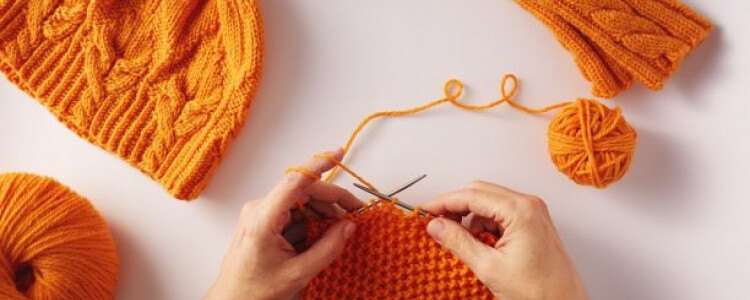
If it’s in good condition, wool could be sold online, taken to a charity shop or given away on Freecycle (opens in a new window) or Freegle (opens in a new window).
If the wool is not reusable, it can be deposited in one of north London’s on-street textile collection banks or taken to a reuse and recycling centre (RRC) where it will be sorted and recycled.
Renée Materials (opens in a new window), based in north London, collects and sells high quality reclaimed materials. They have two hubs where you can drop off the following items:
Which reuse and recycling centre can I take it to?

Alias: torches
Guidance
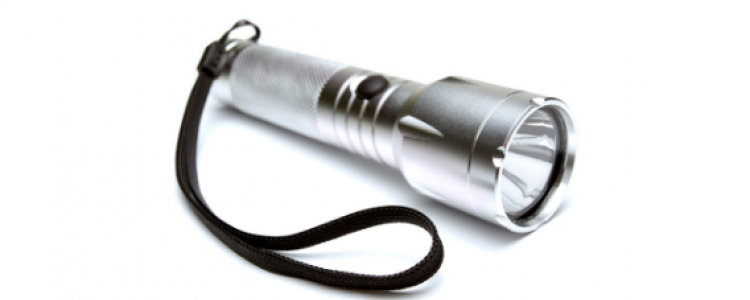
Small electrical items that are in good condition could be sold or donated for reuse or to charity. If the item is not reusable, it can be taken to one of north London’s reuse and recycling centres (RRC) or you can place it in one of the small Waste Electrical and Electronic (WEEE) banks around north London. For more information visit our page about recycling electrical items (opens in a new window).
Could your torch be repaired? Find a London repair business in our Repair Directory (opens in a new window). Or contact the manufacturer to see if they offer repair advice or services.
Which reuse and recycling centre can I take it to?

Guidance
Wooden cutlery can be recycled in the ‘wood’ container at one of north London’s reuse and recycling centres. Alternatively, it can go in your rubbish bin at home.
Which reuse and recycling centre can I take it to?

The ReUse Shop in Chingford East London specialises in selling preloved items. The shop opened in 2015 and aims to minimise waste and provide customers with a sustainable shopping experience.
Our ReUse Shop is stocked with items collected from our Reuse and Recycling Centres that are still in good, usable condition. By shopping at our ReUse Shop, you save money, help reduce waste and support a more sustainable future.
Our staff carefully selects and inspects all items before they are placed in the shop, ensuring that everything is of the highest quality. The stock changes regularly, including furniture, homeware, bikes, vinyl, garden tools, dinnerware, books, and toys. We have everything you need to furnish your home.
48 Kings Road,
London E4 7HR
Monday–Sunday, 9am–4pm
Sunday: Closed
Public Holidays: Closed

From 3 July 2026, the Revive Shop at Barrowell Green Recycling Centre in Enfield became the ReUse Shop and is now part of the LondonEnergy network. It offers a regularly changing mix of pre-loved items donated by residents and items collected from our Reuse and Recycling Centres that are still in good, reusable condition, including antiques, artwork, bikes, books, clothing, furniture, garden items and toys.
Barrowell Green Recycling Centre,
Barrowell Green,
Enfield, N21 3AU
Tuesday to Saturday, 8am – 4pm
Sunday: Closed
Public Holidays: Closed

Alias: wood, timber
Guidance
This can be recycled at one of north London’s reuse and recycling centres (RRC). Alternatively, your local council might collect it through their large waste items collection service.
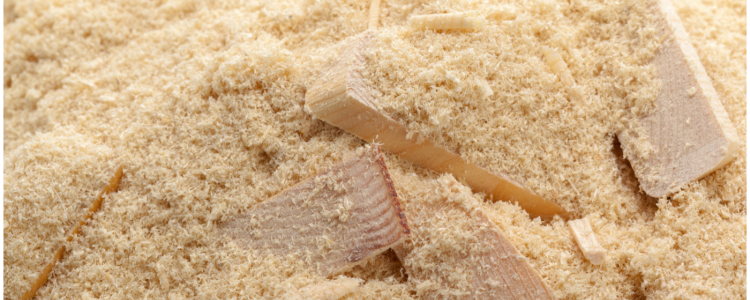
Unfortunately, we cannot recycle sawdust. It must be put into a plastic bag, tied up and put in the general waste bin. Sawdust cannot be put lose into our wood recycling container because the wood dust would cause a health risk to staff and members of the public.
Which reuse and recycling centre can I take it to?

Alias: wine bottles
Guidance
All colours of glass can be recycled at home. Please just empty and rinse.
Which reuse and recycling centre can I take it to?

Alias: reed basket
Guidance
Small wicker or woven baskets can go into your rubbish bin or your garden waste bin if you have one.
Alias: window glass
Guidance
Window glass cannot be recycled at home. Please take it to one of north London’s reuse and recycling centres (RRC)(opens in a new window).
You can also take reusable DIY waste to one of our DIY reuse points (opens in a new window) at South Access Road Reuse and Recycling Centre in Waltham Forest or Summers Lane Reuse and Recycling Centre in Barnet.
Which reuse and recycling centre can I take it to?

Alias: windowed envelopes
Guidance
These can be recycled at home. Please just make sure they have no dirt, foodstuffs, grease or paint on them.

Alias: wet wipes, hygienic wipes, wipes, disposable wipes,
Guidance
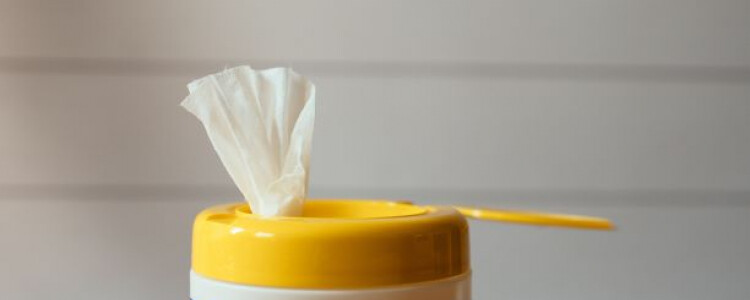
Hygiene wipes are made from fabric meshed together. For this reason, and for hygiene reasons, they cannot be recycled and should go in the general waste (not flushed down the toilet).

Alias: water filters, Brita filter
Guidance
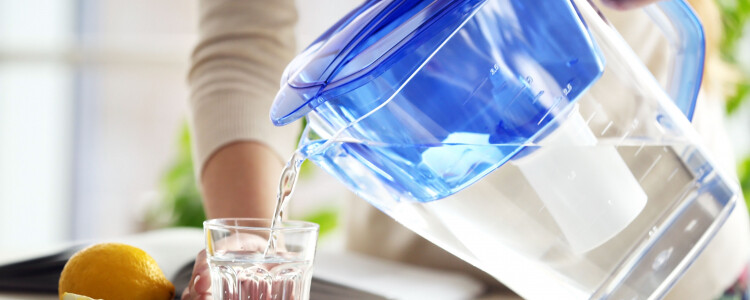
Water filters cannot be recycled and should go in your general waste. However, if you use a BRITA branded water filter you can recycle the used filters at most Argos, Robert Dyas and Homebase stores where boxes are provided for the collection of used cartridges.

Alias: garden chemicals
Guidance
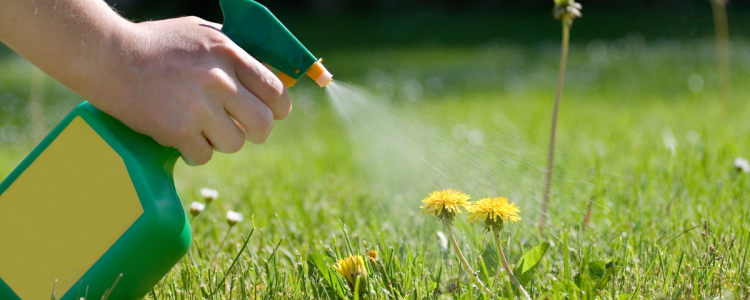
Weed spray is classed as ‘hazardous’ waste so should be disposed of carefully. You will need to use the free City of London Hazardous Waste Service (opens in a new window).

Guidance
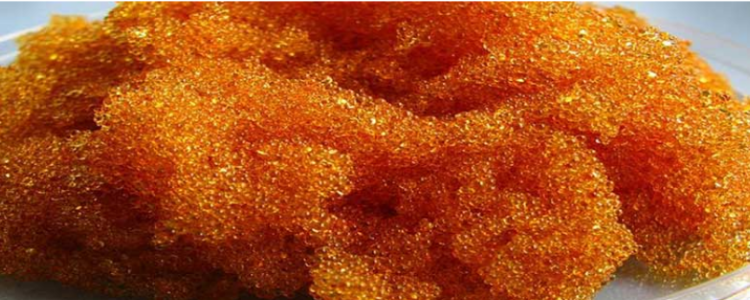
Water softener resin cannot be recycled and must be disposed of with your general waste.

Alias: washer dryers, tumble dryer
Guidance
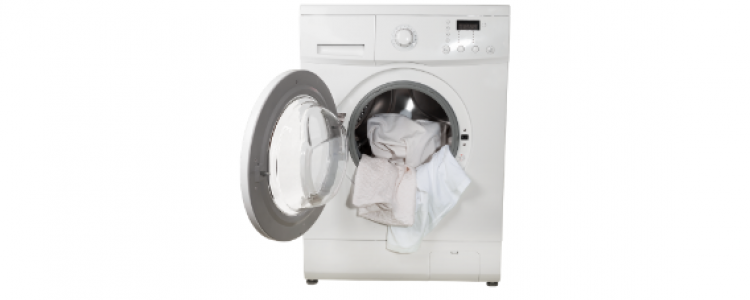
If a large electrical appliance is in good condition, it could be sold or donated for reuse or to charity. If the item is not reusable, there are lots of ways to recycle it – visit our page about recycling electrical items (opens in a new window).
Could your washing machine be repaired? Find a London repair business in our Repair Directory (opens in a new window). Or contact the manufacturer to see if they offer repair advice or services.
Which reuse and recycling centre can I take it to?

Alias: Washing up liquid bottles
Guidance
These can be recycled at home. Empty and rinse well, remove cardboard packaging but labels can be left on.

Alias: wardrobes
Guidance
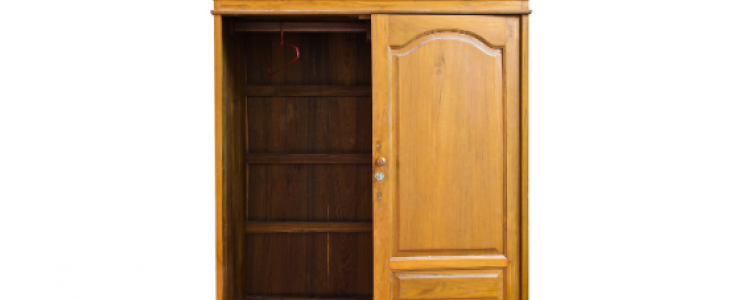
If furniture is in good condition, it could be sold or donated for reuse or to charity. Some local authorities and charities might even collect reusable items from your home. Alternatively, you could take it to one of north London’s reuse and recycling centres (RRC)(opens in a new window) or make use of your local council’s bulky collection service.
Please note that non-reusable furniture can only be taken to Kings Road Reuse and Recycling Centre if it is broken up into the different types of material, like wood and metal.
Which reuse and recycling centre can I take it to?

Alias: wallpaper
Guidance
If it’s unused and clean, wallpaper can be recycled at home. Used, dirty or pre-pasted wallpaper cannot go in the recycling and needs to go in the rubbish bin.
Renée Materials (opens in a new window) also collects and sells high quality reclaimed materials. They have two hubs in north London where you can drop off the following items:

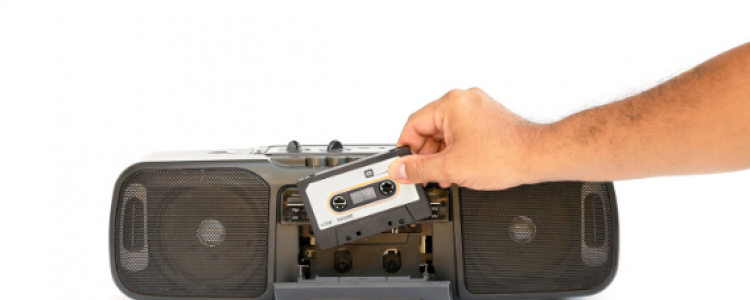
Alias: video tapes, vhs, video cassette
Guidance
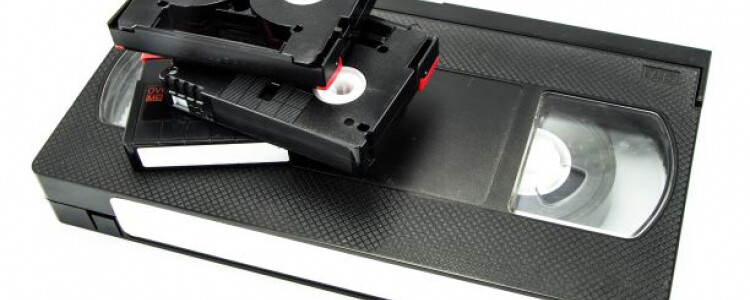
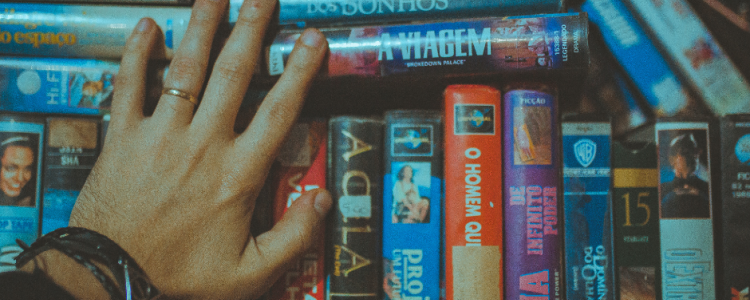
Some charity shops might take video cassette (VHS) tapes but many will not. If you are unable to find any other way to reuse them, VHS tapes will have to go in the general waste.

Alias: walking sticks, elbow crutches, zimmer frame, NHS equipment, mobility aid
Guidance
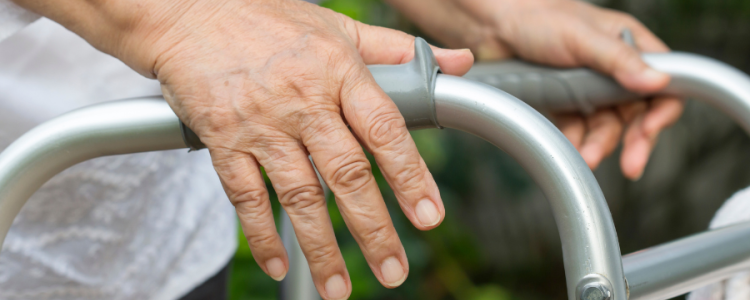
If you have a walking aid, contact the hospital that gave it to you to see if they would like it back. If they do not want it back, use the Recycle Now locator to find a drop-off point near you.
If the equipment cannot be used again, it can be taken to any north London reuse and recycling centre.
Which reuse and recycling centre can I take it to?

Alias: video recorders
Guidance
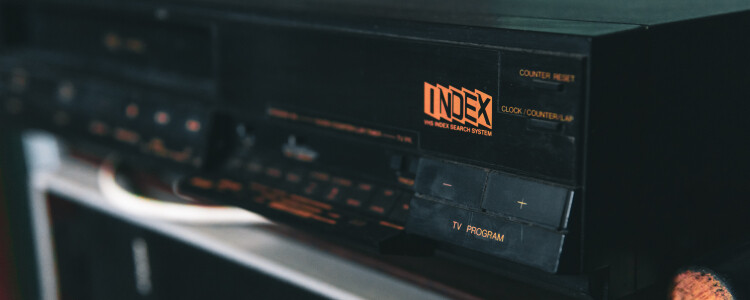
Small electrical items that are in good condition could be sold or donated for reuse or to charity. If the item is not reusable, it can be recycled. Find out more on our page about recycling electrical items (opens in a new window).
Could your video recorder be repaired? Find a London repair business in our Repair Directory (opens in a new window). Or contact the manufacturer to see if they offer repair advice or services.
Which reuse and recycling centre can I take it to?

Alias: computer game
Guidance
If they’re in good condition, video games could be sold online, taken to a charity shop or given away on Freecycle (opens in a new window), Freegle (opens in a new window), Olio(opens in a new window) or commercial websites. If you cannot find any way to reuse them, you can take them to some of our reuse and recycling centres. Otherwise, please dispose of them in the general rubbish bin.
Which reuse and recycling centre can I take it to?

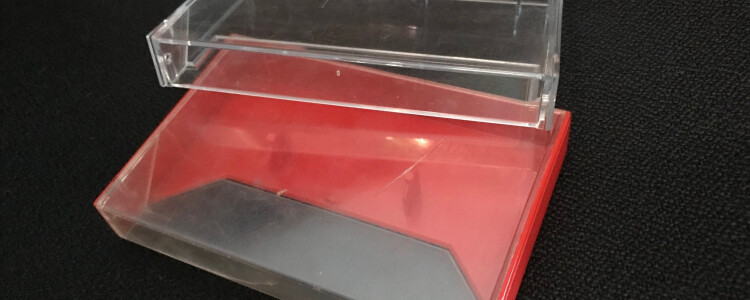
Alias: video cassette box
Guidance
VHS cases are made of hard plastic and can’t be recycled at home. You can bring hard plastic items to most of our reuse and recycling centres. Or if the item fits, it can you in your general rubbish bin at home.
End of hard plastics recycling trial
We have recently had to stop our hard plastics recycling scheme, so these items will be treated as general waste and sent to our energy recovery facility. This is because our recycling processor recently advised us the UK doesn’t currently have the processing capacity to recycle hard plastics, due to high energy prices and an oversupply of cheaper imported plastic products. We will continue to look for a market for these items in case it is possible for us to resume the scheme.
Which reuse and recycling centre can I take it to?

Alias: watches
Guidance
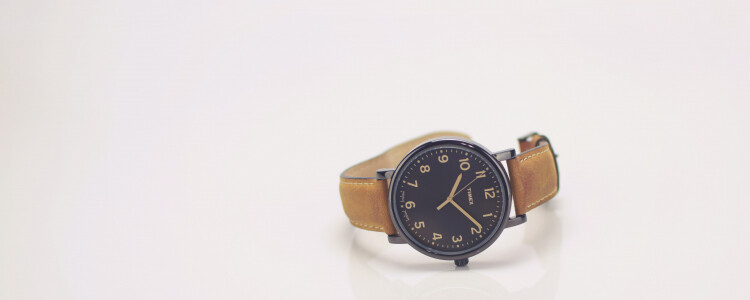
Small household items that are in good condition could be sold or donated for reuse or to charity. There are also online organisations such as Recycling for Good Causes (opens in a new window) that accept jewellery via the post for re-sale/recycling. If the item is not reusable, it can be disposed of in your general waste bin.

Vegware
Alias: torches
Guidance
Compostable plastic is a material made from renewable materials such as vegetable starch and soy protein. It should be put into your general waste and not your recycling, food waste or garden waste.
In north London, food waste is processed in anaerobic digestion (AD) facilities and mixed food and garden waste goes to in-vessel composting (IVC) facilities. All packaging (compostable liners / compostable plastic / plastic bags) is removed from food and garden waste by ‘de-packaging’ machinery and disposed of. This has to be done because non-compostable items are often put into the food/garden waste when they shouldn’t be, causing contamination. The de-packaging machinery we use is not currently able to distinguish between compostable and non-compostable packaging when removing contaminants.
Compostable plastic also cannot go into your home recycling bin because we do not have the technology to separate it from non-compostable plastic. It would therefore contaminate the other materials.
Which reuse and recycling centre can I take it to?

Alias: vase
Guidance
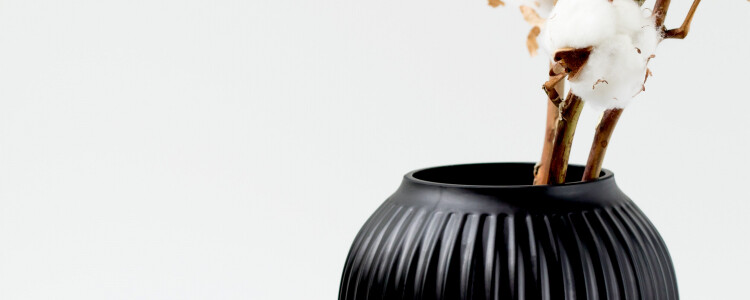
Glass cookware, drinking glasses or vases cannot be recycled at home. This is because they have been specially treated in the manufacturing process to withstand high temperatures. If they get mixed up with glass bottles and jars, they can cause imperfections in the new glass, or even cause explosions in the smelting process. If they’re in good condition, vases could be sold online, taken to a charity shop or given away on Freecycle (opens in a new window), Freegle (opens in a new window) or Olio (opens in a new window). If broken or not in good condition, they can be taken to one of north London’s reuse and recycling centres (RRC)
Which reuse and recycling centre can I take it to?

Alias: vape liquid bottle
Guidance
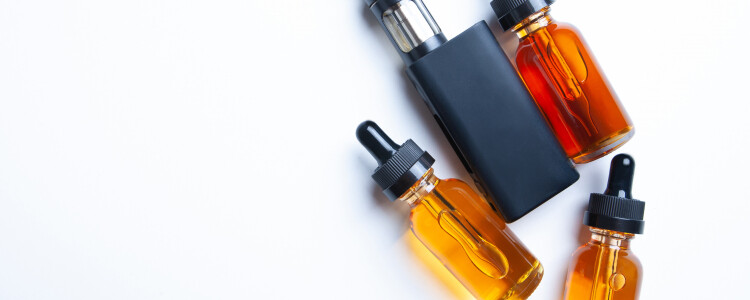
These can be recycled at home. Empty and rinse well, labels can be left on

Alias: torches
Guidance
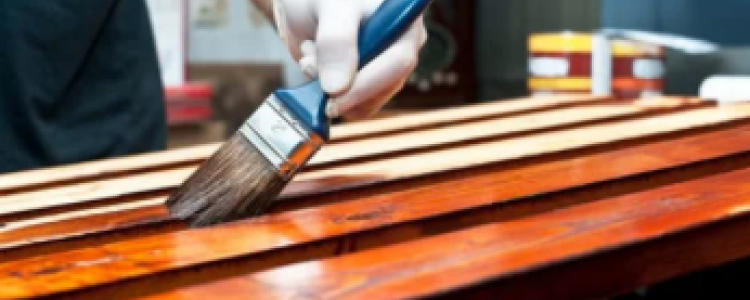
Varnish that could be reused can be taken to any of north London’s reuse and recycling centres (opens in new window), but not Hornsey Street Reuse and Recycling centre. This scheme is part of the Community Repaint (opens in new window) reuse scheme. The leftover paint/varnish is also available for residents to take away for free from these sites.
If the product is too old to be reused, there are ways to dispose of it:
Oil-based paint (gloss) or varnish

Alias: used engine oil
Guidance
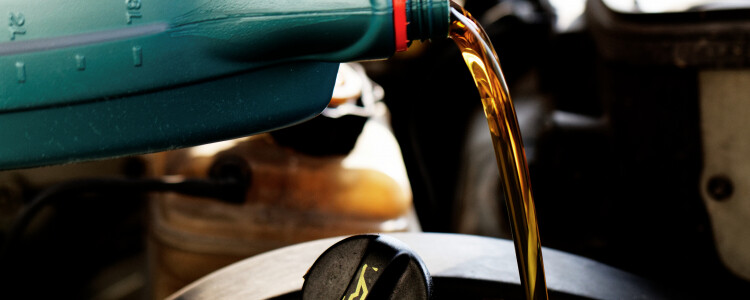
Used engine oil discarded down storm drains can cause considerable environmental damage if it leaches into watercourses and/or groundwater. Take it to one of north London’s reuse and recycling centres (RRC) where it can be disposed of.
Which reuse and recycling centre can I take it to?

Alias: cigarettes, e-waste, e-cigarettes, vapes, single-use vape, disposable vape
Guidance
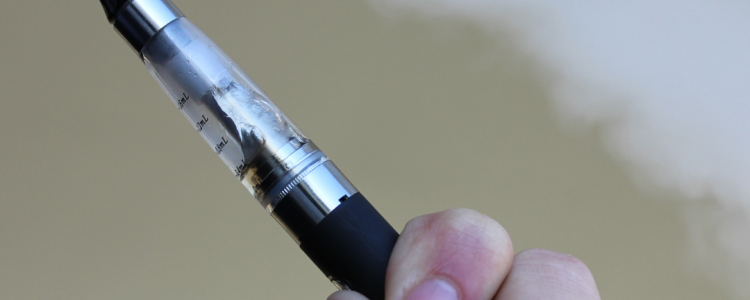
Vapes cannot go in your rubbish or recycling bin. Like anything with a battery, cable or plug, vapes can and should be recycled. This is the same for all single-use vapes, rechargeable vapes and those that are rechargeable with a single-use chamber.
You can recycle vapes at any north London reuse and recycling centre (opens in a new window) or use a take back-scheme.
At the reuse and recycling centre, if the vape has an easily-detachable battery, then you should separate it out and put the battery in the lithium battery bin and the rest in the small electricals bin. If not, you can put the vape straight into the small electricals bin with the battery attached.
Take-back schemes
With most take-back schemes, you are given a pack to post the vapes back for free. However, some of them also let you drop off vapes in stores. Here are a few options:
Which reuse and recycling centre can I take it to?

Guidance
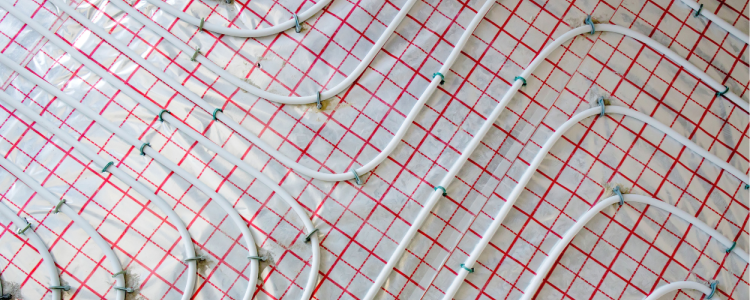
Underfloor heating pipes can go in the ‘general waste’ bin at one of north London’s reuse and recycling centres – see the list of sites below.
Which reuse and recycling centre can I take it to?

Alias: underwear
Guidance
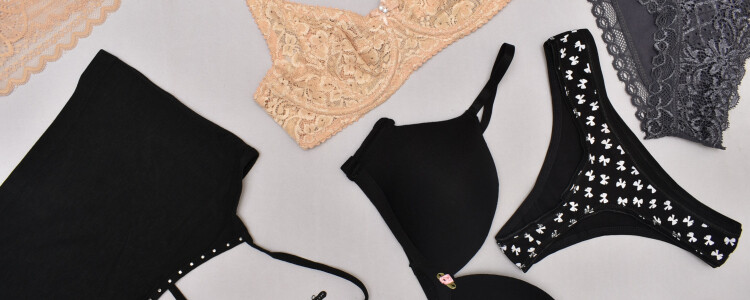
Underwear in ‘new’ condition which have not been worn can be sold online or given away. Some charity shops will accept used bras or you can take them to one of north London’s on-street collection banks or to a reuse and recycling centre (RRC) to be reused or recycled.
Which reuse and recycling centre can I take it to?

Alias: Brolley
Guidance
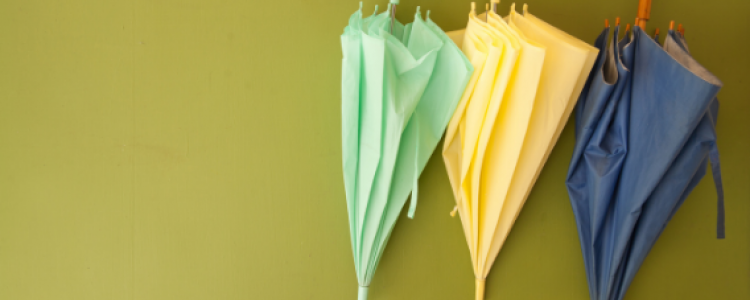
Umbrellas if in a good condition could be sold online, given away to or donated to charity. Umbrellas are made out of different materials such as metal and waterproof fabric which it’s not easily recycled into something new. So if the item is not reusable, please place it in your general waste bin.

Alias: tyres, tires
Guidance
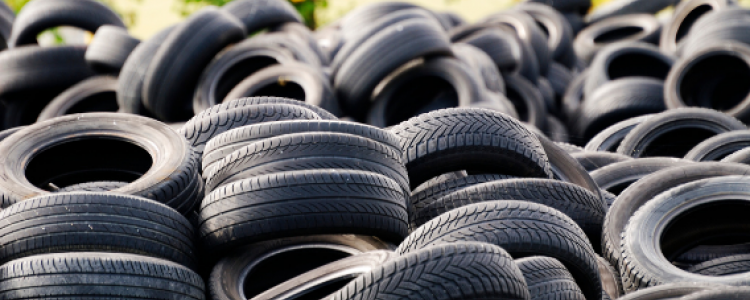
Over 38 million tyres are discarded in the UK each year, sometimes illegally. If you get your tyres changed at a garage they will dispose of the old ones for you. If you have an old tyre which need disposing of, you can take it to Summers Lane Reuse and Recycling Centre (opens in a new window).
Please ensure tyres are removed from rims before bringing them to the reuse and recycling centre, separating the materials helps us recycle each component properly.
Which reuse and recycling centre can I take it to?

Alias: TVs, television, telly
Guidance
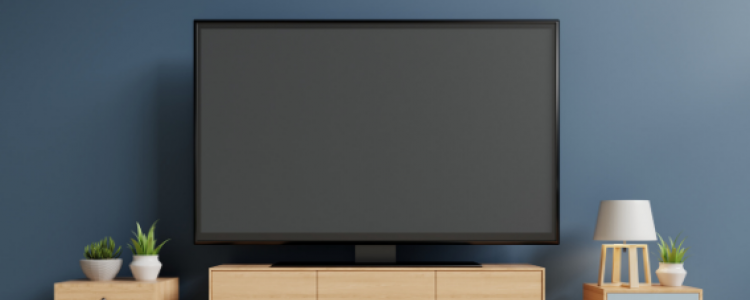
If you have a household electrical item that is in good condition, it could be sold or donated for reuse or to charity. If the item is not reusable, there are lots of ways to recycle it. Visit our page about recycling electrical items (opens in a new window).
Could your TV or monitor be repaired? Find a London repair business in our Repair Directory (opens in a new window). Or contact the manufacturer to see if they offer repair advice or services.
Which reuse and recycling centre can I take it to?

Alias: lattice
Guidance
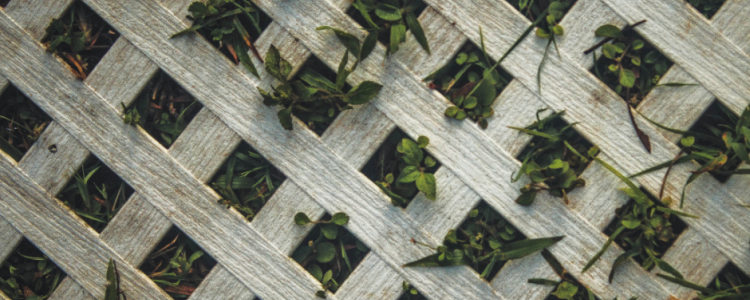
Old trellis can be taken to one of north London’s reuse and recycling centres.
Which reuse and recycling centre can I take it to?

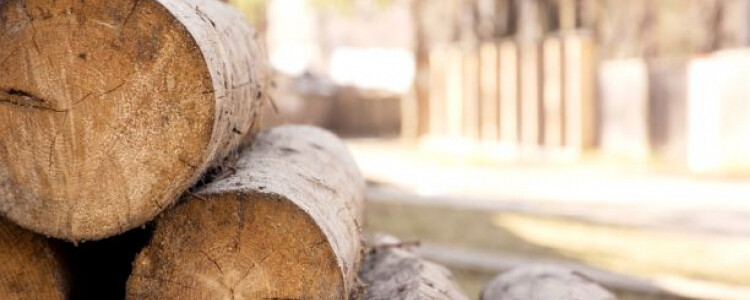
Alias: tree logs, log, tree trunk
Guidance
Tree logs up to 30cm (12 inches) in diameter or 2m (79 inches) in length can go into your garden waste bin. Anything larger than this can be taken to one of north London’s reuse and recycling centres (RRC)(opens in a new window).
Which reuse and recycling centre can I take it to?

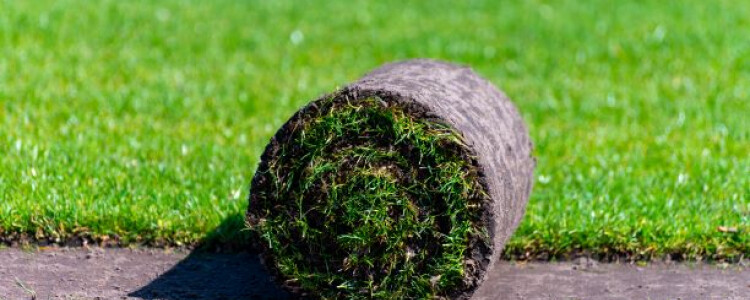
Alias: turf
Guidance
If you have leftover turf, you could offer it for free online on sites such as Freecycle (opens in a new window), Gumtree (opens in a new window) or Olio (opens in a new window). You could also turn it upside down to kill weeds or use as a loam. If the turf is not reusable, it can be taken to a north London reuse and recycling centre (RRC).
Which reuse and recycling centre can I take it to?

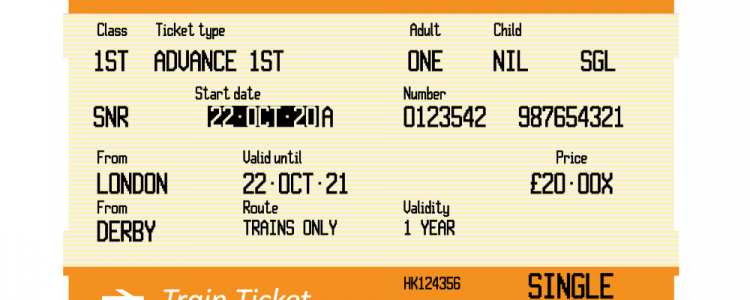
Alias: ticket
Guidance
These are non-recyclable because they’re made from more than one material and therefore impossible to separate, but they also contain a combination of potentially harmful chemicals. Try to avoid printed train tickets whenever you can and always place them in your general waste bin.

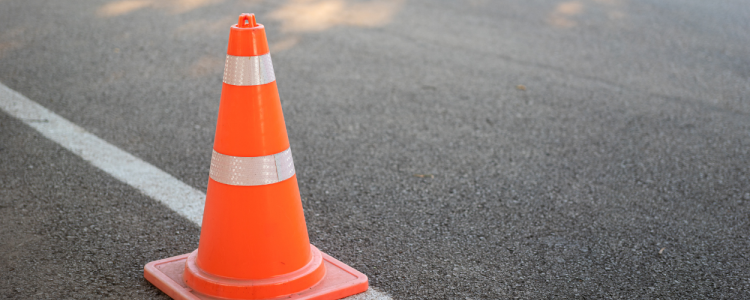
Alias: plastic bollard
Guidance
A traffic cone can go in the ‘general waste’ bin at one of north London’s reuse and recycling centres – see the list of sites below.
Which reuse and recycling centre can I take it to?

Alias: toothpaste tubes
Guidance
Pump action toothpaste tubes can be recycled at home.
Squeezable plastic tubes that contain products such as toothpaste or hand cream can also be recycled, but please make sure they are empty by squeezing out as much as possible.
Boots (opens in a new window) has a number of drop-off points where you can recycle toothpaste tubes and gain rewards.

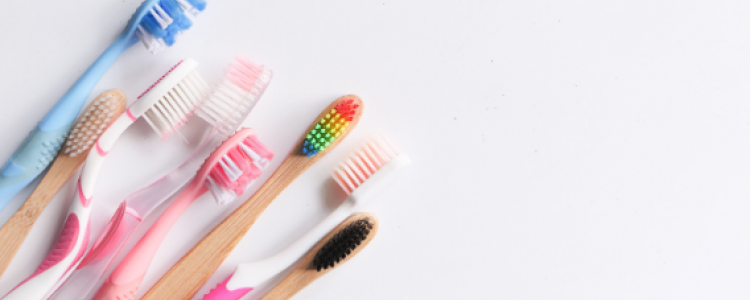
Alias: Toothbrushes, electric toothbrush, compostable toothbrush, bamboo toothbrush
Guidance
Oral care products are usually made from a mixture of materials like plastics and bristles, which is why they can’t be recycled in your household recycling collection, although they can be recycled through specialist recycling schemes like Terracycle (opens in a new window) please always place your plastic in your general waste bin.
If you have a broken electrical toothbrush, it can be taken to one of north London’s reuse and recycling centres (opens in a new window) (RRC) or you can place it one of the small Waste Electrical and Electronic (WEEE) banks (opens in a new window) around north London. For more information visit our page about recycling electrical items (opens in a new window).
Bamboo brushes can be only composted at home although it can take a couple of years to fully break down in your compost bin – just make sure to remove bristles first. Please never put bamboo toothbrushes in your council food waste bin. But if you have a separate garden waste collection, you can put them in your garden waste bin.

Alias: torches
Guidance
Small electrical items that are in good condition could be sold or donated for reuse or to charity. If the item is not reusable, it can be taken to one of north London’s reuse and recycling centres (RRC) or you can place it in one of the small Waste Electrical and Electronic (WEEE) banks around north London. For more information visit our page about recycling electrical items (opens in a new window).
Could your torch be repaired? Find a London repair business in our Repair Directory (opens in a new window). Or contact the manufacturer to see if they offer repair advice or services.
Which reuse and recycling centre can I take it to?

Alias: tools, saw, handsaw
Guidance
Tools for Self Reliance (Opens in a new window) collect and refurbish hand tools (except gardening tools), for free shipment to developing countries. You can deliver the tools or they can be collected if necessary. You might also be able to sell or give tools away online. However, if you have broken tools, these can be taken to a north London reuse and recycling centre (opens in a new window).
Which reuse and recycling centre can I take it to?

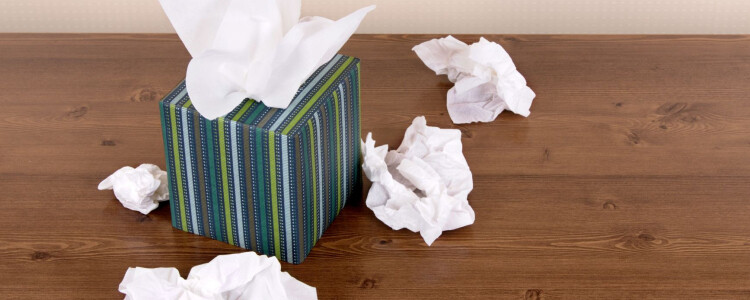
Alias: tissue
Guidance
Even if they’re clean, tissues are not recyclable. This is because they are made from paper with very short fibres – and in order to be useful for recycling into something new, the fibres would need to be longer. Paper can only be recycled a certain number of times because the fibres get shorter each time.
Please put tissues in the general waste.

Alias: gift wrap
Guidance
Tissue paper is not recyclable. This is because they are made from paper with very short fibres – and in order to be useful for recycling into something new, the fibres would need to be longer. Paper can only be recycled a certain number of times because the fibres get shorter each time.
Please put tissue paper in the general waste.

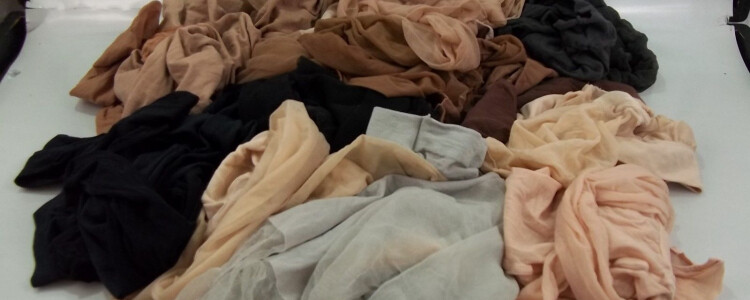
Guidance
Broken and used tights can be recycled as textiles, it can be deposited in one of north London’s on-street collection banks or taken to one of north London’s reuse and recycling centres (opens in a new window) where it will be sorted and recycled. Make sure you put your old tights into the recycling, not a charity collection bin.
Which reuse and recycling centre can I take it to?

Alias: Tiles
Guidance
These can be recycled at one of north London’s reuse and recycling centres (RRC)(opens in a new window) Alternatively, you could make use of your local council’s bulky collection service.
You can also take reusable DIY waste to one of our DIY reuse points (opens in a new window) at South Access Road Reuse and Recycling Centre in Waltham Forest or Summers Lane Reuse and Recycling Centre in Barnet.
Asbestos risk
Some old floor and ceiling tiles might be made from asbestos. Asbestos can be found in homes built or refurbished before the year 2000. If asbestos fibres are disturbed, they can harm our health. Visit the Health and Safety Executive website (opens in a new window) to find out the main places asbestos can be found. If you think you might have asbestos in your home, find an asbestos specialist who can advise you.
Which reuse and recycling centre can I take it to?

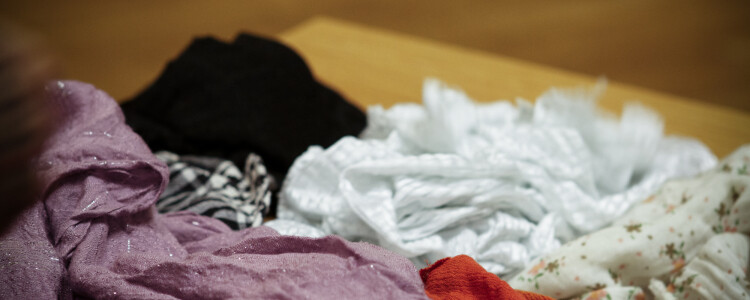
Alias: textiles, clothes, sheets, fabric, curtains, bed linen, rags
Guidance
Fabric in good condition could be sold online, given away to or donated to charity.
If the clothes are worn out or the fabric is in poor condition, you can also take textiles to a reuse and recycling centre (RRC) (opens in a new window) where they will be recycled by one of our contractors.
To find a textiles bank near you, use the Recycle Now website (opens in a new window)
If you take unwanted textiles to an on-street collection bank, please be careful not to over-fill, or block the openings; consider separating items into smaller bags, or take larger items/collections to the charity shop.
Which reuse and recycling centre can I take it to?

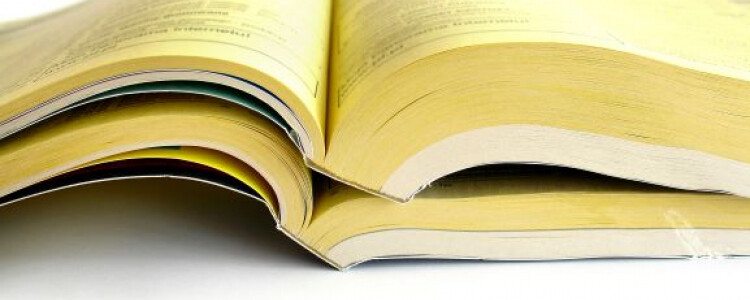
Alias: telephone directories, yellow pages
Guidance
These can be recycled at home. Please just make sure they have no dirt, foodstuffs, grease or paint on them.

Alias: flower pot, terracotta pot, brown pot
Guidance
If they’re in good condition, terracotta plant pots could be sold online or given away on Freecycle (opens in a new window) or Freegle (opens in a new window).
If broken or not in a good condition, terracotta plant pots can be taken to one of north London’s reuse and recycling centres (RRCs) where they can go in the ‘hardcore and rubble’ skip. Alternatively, you can wrap them in newspaper or similar and put them in your household waste.
Which reuse and recycling centre can I take it to?

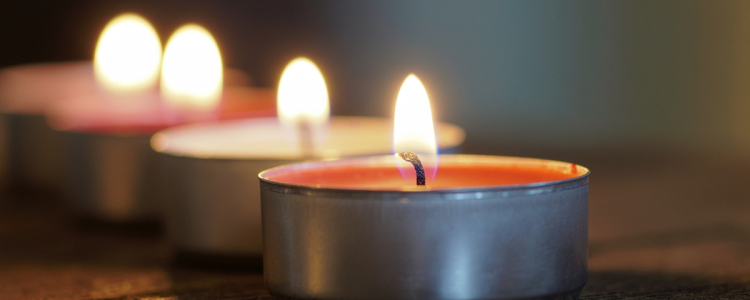
Alias: Tea light, foil for candle
Guidance
If you have an empty tealight or you remove wax from a tealight (opens in a new window), the foil case can go in your recycling bin at home.
You can turn your old candle wax into new candles (opens in new window) or send used candles and wax to reCandled or Renée Materials where they reuse and recycle the materials – details below.
If you are unable to reuse your candle please put it in your general waste bin.
reCandled recycling
reCandled (opens in new window) use old candles to run candle-making and carving community workshops in Waltham Forest. Please post your old candles to:
reCandled
44a Bulwer Road
Leytonstone
London
E11 1BX
Or there are two drop-off points in Leytonstone:
Renée Materials
Renée Materials (opens in a new window) also collects and sells high quality reclaimed materials. They have two hubs in north London where you can drop off the following items:

Alias: telephone
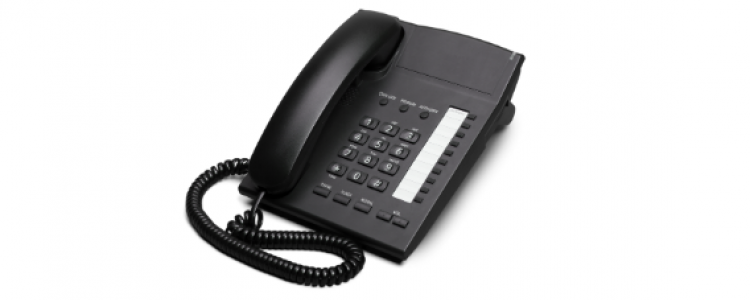
Guidance
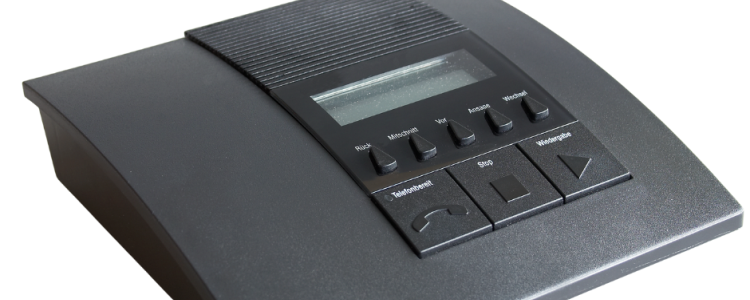
Small electrical items that are in good condition could be sold or donated for reuse or to charity. If the item is not reusable, it can be recycled. Find out more on our page about recycling electrical items (opens in a new window).
Could your telephone be repaired? Find a London repair business in our Repair Directory (opens in a new window). Or contact the manufacturer to see if they offer repair advice or services.
Which reuse and recycling centre can I take it to?

Alias: tea towels
Guidance
Old used fabric like rags can be taken to an on-street collection bank or to a reuse and recycling centre (RRC) (opens in new window) where it will be sorted and recycled.
Which reuse and recycling centre can I take it to?

Alias: take away trays
Guidance
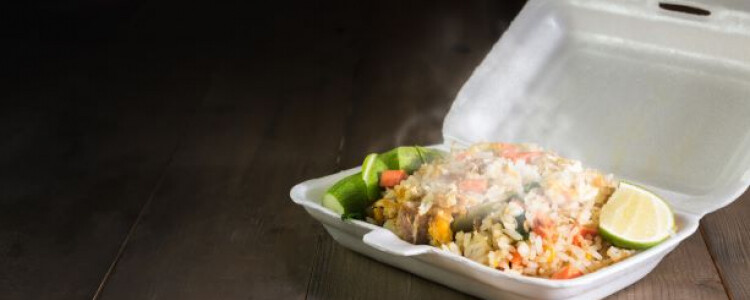
These can be recycled at home. Please just give them a quick rinse to make sure there is no food left inside.

Alias: teabags
Guidance
If your local council provides a food waste collection service where you live, you can dispose of food waste in your food bin, including tea bags. Some tea bags contain a small amount of plastic. We remove this plastic (and any other contaminants) at the composting plants by filtering the compost. This ensures that it meets the Environment Agency fertiliser standard PAS110.
All types of food can go in the food waste bin but please do not add: any kind of plastic or packaging, liquids including liquid fat/oil, and garden waste including wood or cut flowers. If you do not have a food waste services, food would have to go in your general waste bin – or if you have space, subsidised home composters or wormeries can be purchased from your local council, enabling you to dispose of organic waste like fruit and vegetable peel.

Alias: tablet, iPad, ipad
Guidance
Small electrical items that are in good condition could be sold or donated for reuse or to charity. If the item is not reusable, it can be recycled. Find out more on our page about recycling electrical items (opens in a new window).
Make sure any data is erased from the device before it is recycled, sold or donated. For more information visit our page about recycling electrical items (opens in a new window).
Could your tablet be repaired? Find a London repair business in our Repair Directory (opens in a new window). Or contact the manufacturer to see if they offer repair advice or services.
Which reuse and recycling centre can I take it to?

Alias: confectionary wrappers, sweet wrapper, snack wrapper, plastic wrapper, chocolate bar wrapper
Guidance
Thin plastic wrappers such as sweet or chocolate bar wrappers are made from low-quality plastic and are not recycled. TerraCycle (opens in a new window) also has a number of drop-off points where confectionary wrappers can be recycled. Alternatively, please put them in your general waste.

Alias: tables
Guidance
If furniture is in good condition, it could be sold or donated for reuse or to charity. Some local authorities and charities might even collect reusable items from your home. If the item is not reusable, you could take it to one north London’s reuse and recycling centres (RRC)(opens in a new window) or make use of your local council’s bulky collection service.
Please note that non-reusable furniture can only be taken to Kings Road Reuse and Recycling Centre if it is broken up into the different types of material, like wood and metal.
Which reuse and recycling centre can I take it to?

Alias: sunbeds
Guidance
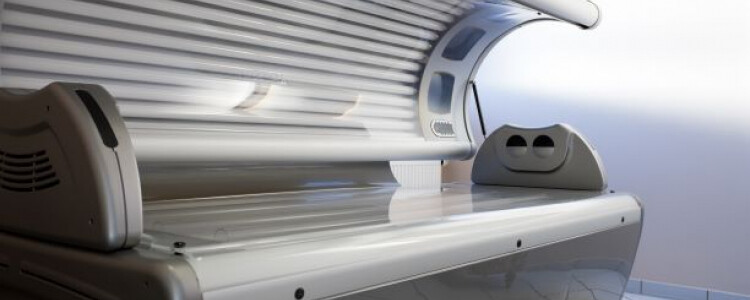
If large electrical appliances are in good condition, they could be sold or donated for reuse or to charity. Some local authorities and charities might even collect reusable items from your home. If the item is not reusable, there are lots of ways to recycle it. Visit our page about recycling electrical items (opens in a new window).
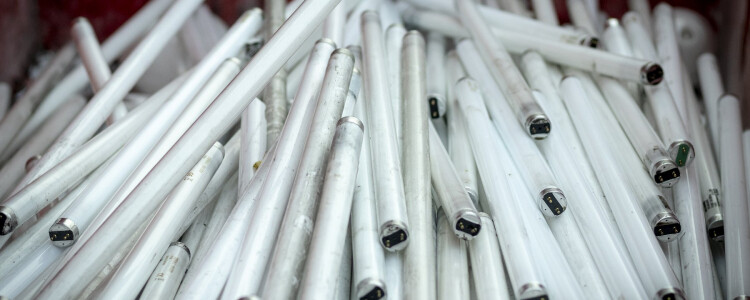
If taking the sun bed to one of north London’s reuse and recycling centres, it must be dismantled first. The fluorescent tubes must be removed from the frame and then placed in the dedicated container. The frame can be placed in the electrical recycling container.
Could your sunbed be repaired? Find a London repair business in our Repair Directory (opens in a new window). Or contact the manufacturer to see if they offer repair advice or services.
Which reuse and recycling centre can I take it to?

Alias: Suitcases, luggage
Guidance
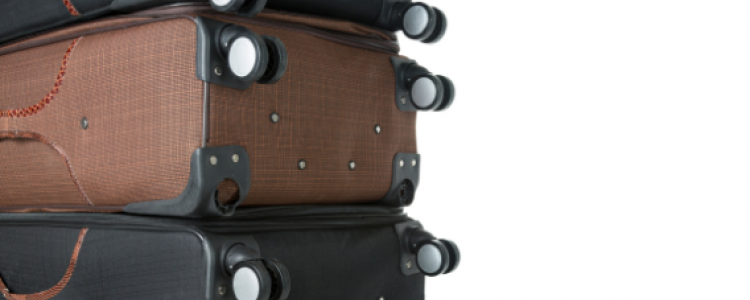
Suitcases are made of several materials that are recyclable, including zippers, plastic handles, and rubber wheels. They can’t be recycled through your household recycling collection. If the item cannot be reused, you can dispose of this at one of north London’s reuse and recycling centres (opens in a new window). Or if it fits into your bin at home, and the lid closes properly, then it can go into your rubbish bin.
Which reuse and recycling centre can I take it to?

Alias: sticky labels
Guidance
Although these are made from paper, they also contain adhesive to make them sticky so are not recyclable. Please put them in your general waste.

Alias: stereos
Guidance
Small electrical items that are in good condition could be sold or donated for reuse or to charity. If the item is not reusable, it can be recycled. Find out more on our page about recycling electrical items (opens in a new window).
Could your stereo be repaired? Find a London repair business in our Repair Directory (opens in a new window). Or contact the manufacturer to see if they offer repair advice or services.
Which reuse and recycling centre can I take it to?

Straws
Alias: rugs
Guidance
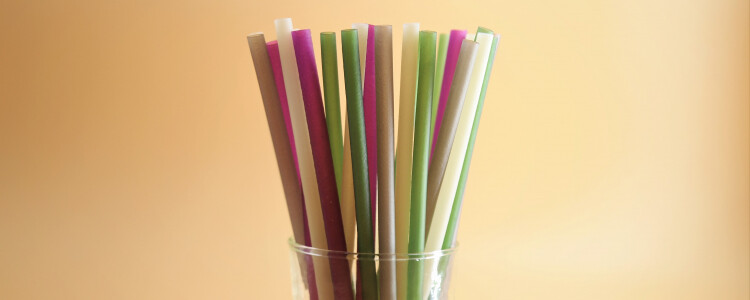
These should not go in the recycling because they are so small that they often won’t get picked up in the equipment used for sorting out the different materials in the MRF. If they are not picked up they will be transported through the whole MRF process by conveyor belts and just drop off at the end into the containers for material which is going to be disposed. Please include straws in your residual rubbish for disposal so that it can be picked up straight away as rubbish for disposal.

Stamps
Alias: stamps
Guidance
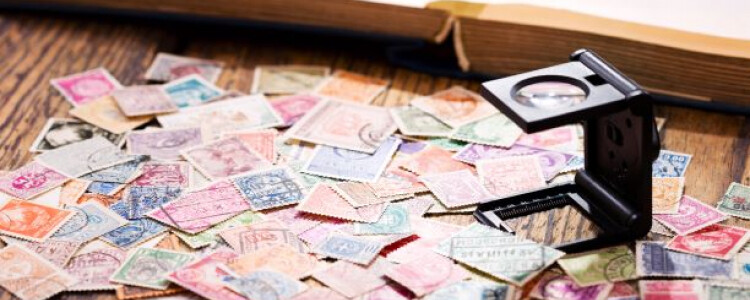
Many charities accept used stamps as they can benefit from reusing them. Alternatively, they can be left on mailed items and placed in your household recycling.

Alias: stapled paper
Guidance
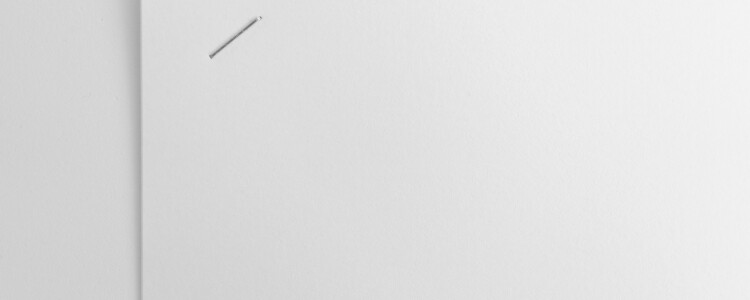
You can put stapled paper into the recycling bin, including magazines and leaflets. Please do not put staples on their own into the recycling bin.
If you have a small quantity of staples that cannot be used, they should go in your rubbish bin at home. If you have a large number of staples, you should try to give them away on Freecycle, Freegle or Olio (opens in a new window). If you cannot find any way to reuse them, you can take them to some of our reuse and recycling centres where they can go in the metal container.

Alias: squeezable bottles, toothpaste tubes
Guidance
Squeezable plastic tubes that contain products such as toothpaste or hand cream can be recycled, but please make sure they are empty by squeezing out as much as possible.
Alternatively, Terracycle (opens in a new window) has a number of drop-off points where toothpaste tubes, toothbrushes and packaging can be recycled. And Boots (opens in a new window) has a number of drop-off points where you can recycle toothpaste tubes and gain rewards.

Alias: cricket bat, tennis racket, football, cricket ball, sports clothes
Guidance
Sports equipment that is in good condition could be sold or reused by donating to charity. Read our article about all the ways to sell and give away unwanted items (opens in a new window).
You can also take it to a north London reuse and recycling centre (opens in a new window) because we put aside reusable things to be sold in our ReUse Shop (opens in a new window). If the item is not reusable, put it in your rubbish bin.
Which reuse and recycling centre can I take it to?

Alias: sofa, sofas, settee, settees, armchair, arm chair, upholstered furniture, fitted sofa cushions
Guidance
If furniture is in good condition, it could be sold or donated for reuse or to charity. Some local authorities and charities might even collect reusable items from your home. Please note that any furniture containing upholstery needs to have a fire label on it, or it cannot be reused – see Reuse Network (opens in a new window).
If the item is not reusable, you can make use of your local council’s bulky collection service (open in a new window), but there can be a charge for the bulky waste collection services. You can also take furniture to one of north London’s reuse and recycling centres (RRCs) (opens in a new window). However, please note that non-reusable furniture can only be taken to Kings Road Reuse and Recycling Centre if it is broken up into the different types of material, like wood and metal.
Which reuse and recycling centre can I take it to?

Alias: soil, gravel, sand, pebbles
Guidance
Soil, sand, gravel, stones, pebbles, hardcore, rubble, concrete and brick can be taken to any north London’s reuse and recycling centres (RRC), but Barrowell Green only accepts hardcore, rubble, concrete, brick and stones.
Please note that there are restrictions on the quantity that you can bring and how often you bring it:
Restrictions on rubble and hardcore
Following government reforms (opens in a new window), each household in England can only bring DIY waste capable of being fitted into two 50 litre bags, four times in any four week period. This includes hardcore, rubble, concrete, brick, stones, pebbles, soil, sand and gravel. This means that you can bring eight bags in one visit, as long as you do not visit again for another four weeks.
If you have a large quantity of hardcore material, consider hiring a skip. You can check whether a company is legally allowed to carry waste on the Public Register of Waste Carriers (opens in a new window).
Which reuse and recycling centre can I take it to?
Alias: sound system, music player, bluetooth, wireless speaker, sound bar
Guidance
If speakers are in good condition, they could be sold or donated for reuse or to charity. Some local authorities and charities might even collect reusable items from your home. If the speakers are not reusable, there are lots of ways to recycle them, or some boroughs offer a free home collection service – visit our page about recycling electrical items or check with your council to see if they offer bulky waste collections.
Could your speaker be repaired? Find a London repair business in our Repair Directory. Or contact the manufacturer to see if they offer repair advice or services.
Which reuse and recycling centre can I take it to?

Alias: smoke alarms
Guidance
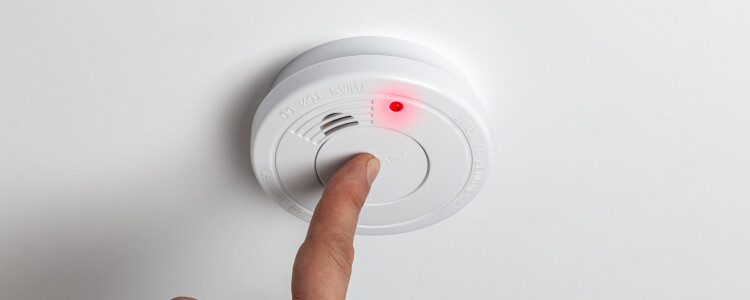
Small electrical items that are in good condition could be sold or donated for reuse or to charity. If the item is not reusable, there are lots of ways to recycle it in north London, but please remove the battery first. Find out more on our page about recycling electrical items (opens in a new window).
Which reuse and recycling centre can I take it to?

Alias: Plastic rings
Guidance
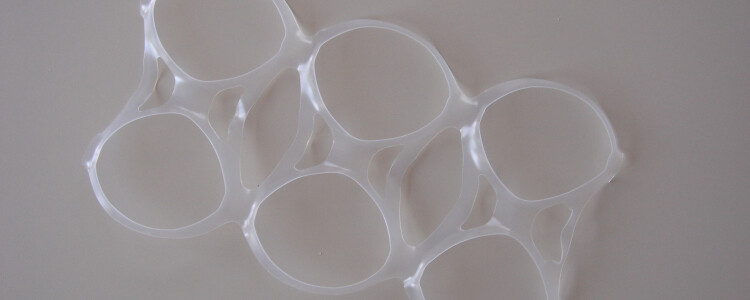
These can be recycled at home.

Alias: Toaster, Blender, Iron, Lamp, Stereo
Guidance
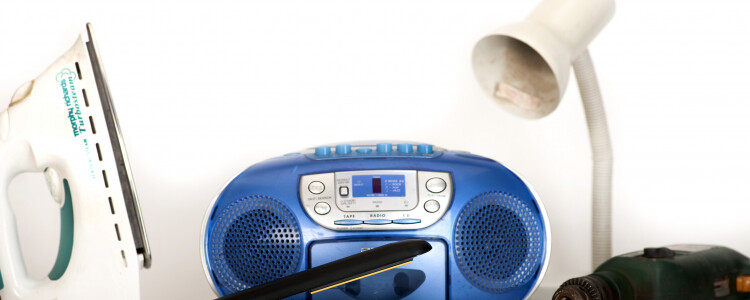
Small electrical items that are in good condition could be sold or donated for reuse or to charity. If the item is not reusable, it can be recycled. Find out more on our page about recycling electrical items (opens in a new window).
Could your small electrical appliances be repaired? Find a London repair business in our Repair Directory (opens in a new window). Or contact the manufacturer to see if they offer repair advice or services.
Which reuse and recycling centre can I take it to?
Guidance
If you want to get rid of something that’s made from silicone, and it’s in good condition, try giving it away first. You can offer it on websites like Freecycle (opens in a new window) or Freegle (opens in a new window), or you can take it to a charity shop.
If the item is not in good enough condition to be reused by someone else, it should go in your general waste bin because it is not possible to recycle silicone in north London.

Guidance
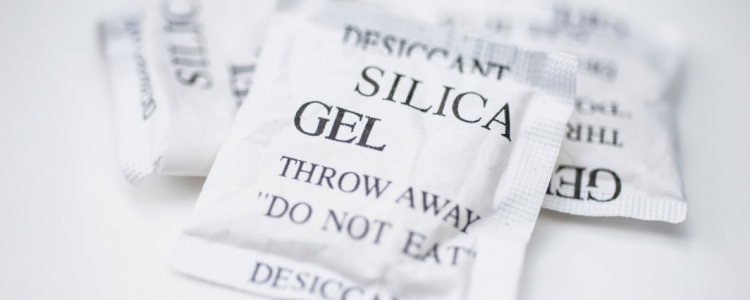
Silica gel packets are not recyclable and have to go in the rubbish bin. However, it can be good to reuse them. Here are some options:

Alias: shredded paper
Guidance
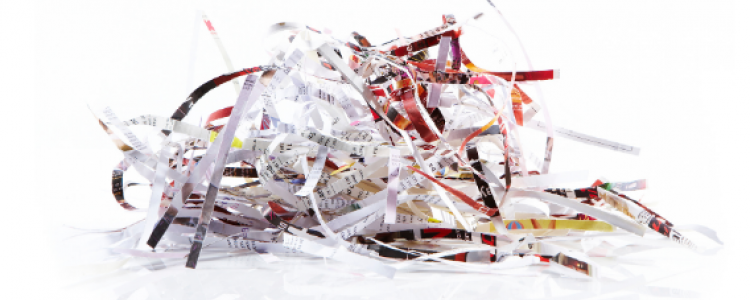
There are two ways to recycle shredded paper:
Which reuse and recycling centre can I take it to?

Alias: water, plastic, chrome
Guidance
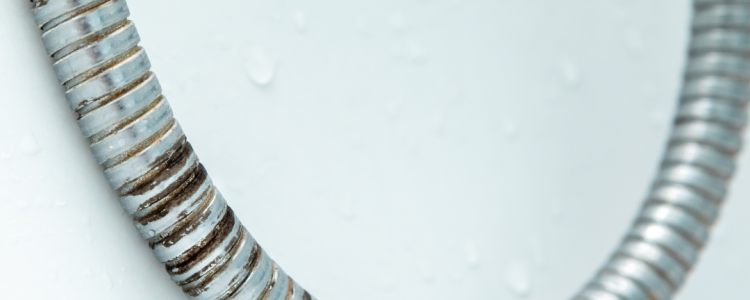
An old shower hose can go in your rubbish bin at home or in the general waste bin at one of our reuse and recycling centres.
Which reuse and recycling centre can I take it to?

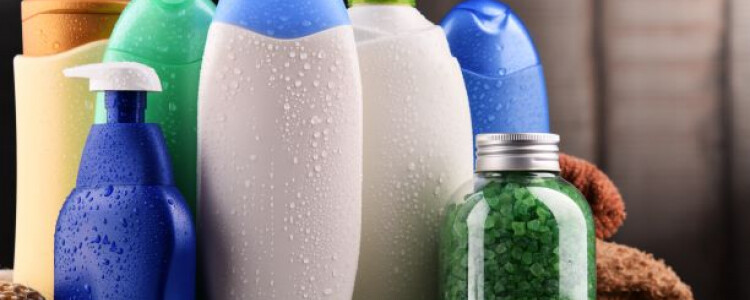
Alias: shampoo bottles
Guidance
These can be recycled at home. Empty and rinse well, remove cardboard packaging but labels can be left on.

Alias: Felted sheep wool
Guidance
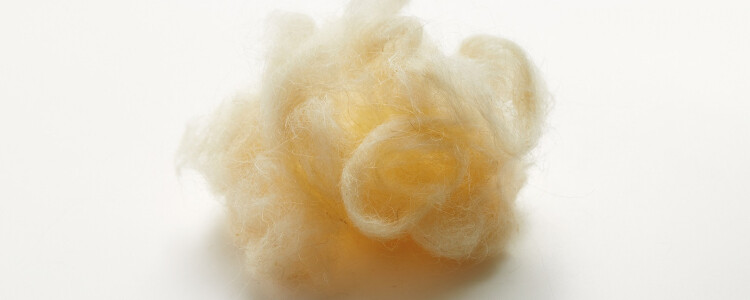
Some more sustainable forms of packaging sometimes include sheep wool, or felted sheep wool. We have spoken with our contractors to find out whether there is a way to recycle or compost this material, but unfortunately it’s not possible. Please therefore dispose of the wool in your general waste at home.

Alias: shoes
Guidance
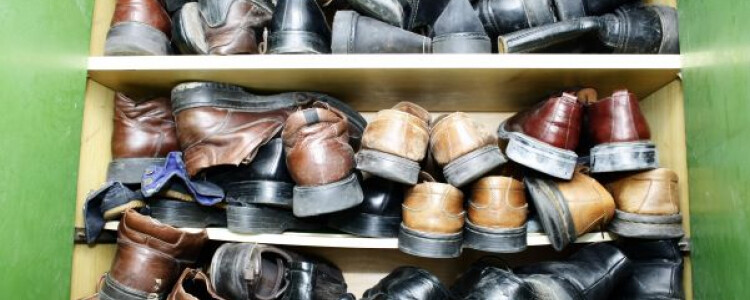
If they’re in good condition, shoes could be sold online, taken to a charity shop or given away on Freecycle or Freegle.
Alternatively, if they are not in good condition, they can be put in one of north London’s on-street collection banks or taken to a reuse and recycling centre (RRC). These shoes will be sold for someone else to wear them.
If shoes are not in good condition and cannot be worn again, they can go in your rubbish bin at home.
Which reuse and recycling centre can I take it to?

Alias: Receipts
Guidance
These are non-recyclable because they’re made from more than one material and therefore impossible to separate, but they also contain a combination of potentially harmful chemicals. Try to avoid receipts whenever you can and always place them in your general waste bin.

Alias: yarn
Guidance
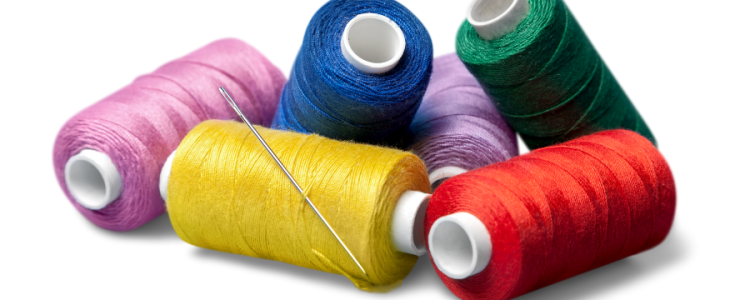
If it’s in good condition, sewing thread could be sold online, taken to a charity shop or given away on Freecycle (opens in a new window) or Freegle (opens in a new window).
If the thread is not reusable, it can be deposited in one of north London’s on-street textile collection banks or taken to a reuse and recycling centre (RRC) where it will be sorted and recycled.
Renée Materials (opens in a new window), based in north London, collects and sells high quality reclaimed materials. They have two hubs where you can drop off the following items:
Which reuse and recycling centre can I take it to?

Alias: sewing machines
Guidance
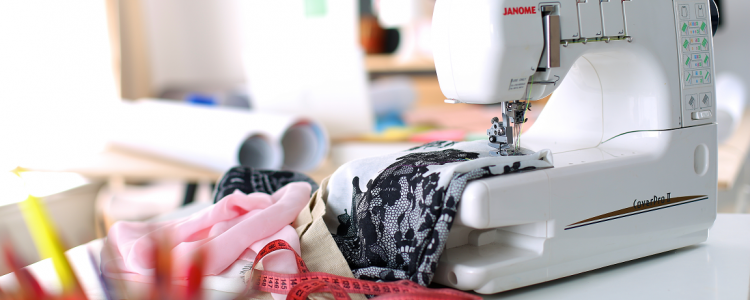
Electrical items that are in good condition could be sold or donated for reuse or to charity. If the item is not reusable, it can be recycled. Find out more on our page about recycling electrical items (opens in a new window).
Could your sewing machine be repaired? Find a London repair business in our Repair Directory (opens in a new window). Or contact the manufacturer to see if they offer repair advice or services.
Which reuse and recycling centre can I take it to?

Alias: scrap metal
Guidance
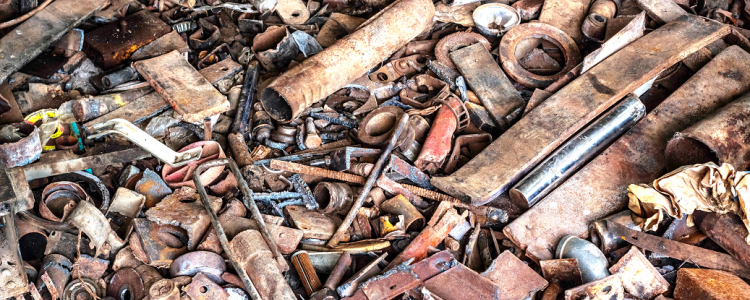
This can be recycled at one of north London’s reuse and recycling centres (opens in a new window)(RRC) or take it to any scrap metal merchant. Alternatively, you could make use of your local council’s bulky collection service.
Which reuse and recycling centre can I take it to?

Alias: sellotape, sticky tape, duck tape, masking tape
Guidance
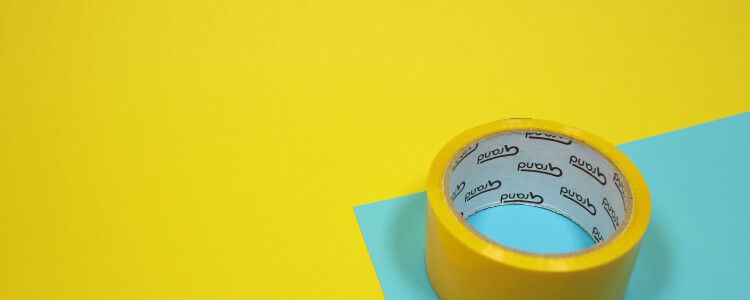
Thin adhesive plastic like sticky tape cannot be recycled. Please put it in your general waste.

Guidance
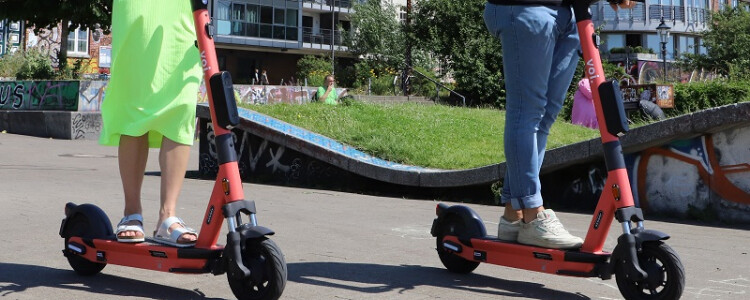
Please take scooters that could be reused to a north London’s reuse and recycling centre (RRC). They will be taken to be sold at our Reuse shop, at Kings Road RRC. If you have a scooter that cannot be used anymore, take it to an RRC for recycling/disposal.
Please note that any of the scooters set aside at the RRCs which are not suitable for reuse are recycled.
Which reuse and recycling centre can I take it to?

Alias: school uniform
Guidance
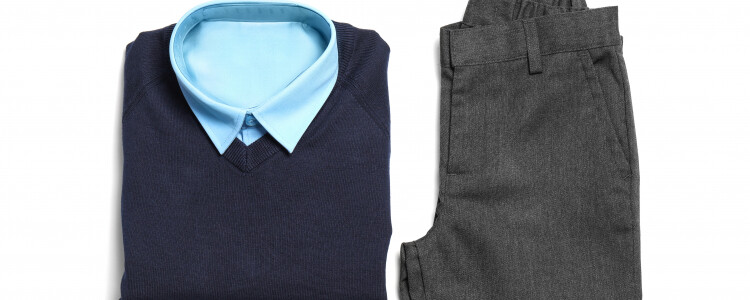
Ask if the school offers a take-back scheme. This allows parents to purchase pre-worn uniform at a reduced price. If there is no take-back scheme, consider setting one up with other parents, or ask the school for advice. They may be happy for the uniform to be donated to charity or they could even set up a collection point themselves. They can contact their uniform supplier or Local Education Authority for advice. If the uniform is not suitable for reuse, it can be deposited in one of north London’s on-street collection banks or taken to a reuse and recycling centre (RRC) where it will be sorted and recycled.

Alias: sat navs
Guidance
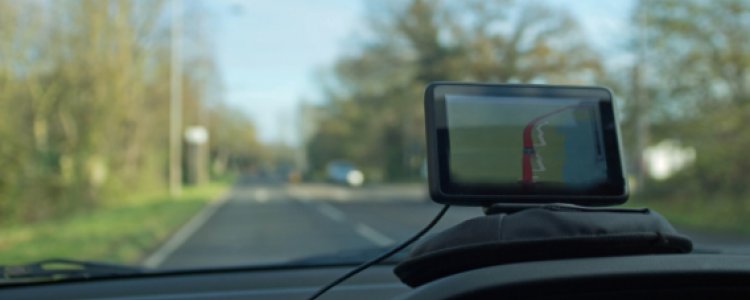
Small electrical items that are in good condition could be sold or donated for reuse or to charity. If the item is not reusable, it can be recycled. Find out more on our page about recycling electrical items (opens in a new window).
Could your sat nav be repaired? Find a London repair business in our Repair Directory (opens in a new window). Or contact the manufacturer to see if they offer repair advice or services.
Which reuse and recycling centre can I take it to?

Alias: saucepans
Guidance
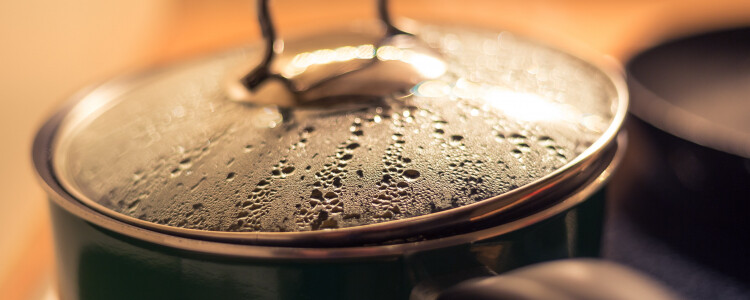
Saucepans that are in good condition could be sold or donated for reuse or to charity. If the item is not reusable, it can be taken to one of north London’s reuse and recycling centres (RRC) where it can be recycled.
Which reuse and recycling centre can I take it to?

Alias: saw dust
Guidance
Unfortunately, we cannot recycle sawdust. It must be put into a plastic bag, tied up and put in the general waste bin.
Sawdust cannot be put lose into our wood recycling container because the wood dust would cause a health risk to staff and members of the public.

Alias: sandwich box
Guidance
Paper or card sandwich packets can be recycled as long as they don’t have lots of food stuck to them. Please ideally remove the plastic window before putting into your recycling. The plastic window can either go in a supermarket flexible plastics bin, or in your rubbish bin at home.

Alias: sanitary products, tampons, sanitary pads, panty liner
Guidance
Disposable sanitary products are made from a combination of natural and synthetic materials. For this reason and for hygiene reasons, they cannot be recycled and should go in the general waste (not flushed down the toilet). You can also try reusable options like menstrual cups or re-washable mentrual pads.
Alias: hardcore, rubble, concrete, brick, stones
Guidance
Hardcore, rubble, concrete, brick and stones, pebbles, soil, sand and gravel can be taken to any north London’s reuse and recycling centres (RRC), but Barrowell Green only accepts hardcore, rubble, concrete, brick and stones.
Please note that there are restrictions on the quantity that you can bring and how often you bring it:
Restrictions on rubble and hardcore
Following government reforms (opens in a new window), each household in England can only bring DIY waste capable of being fitted into two 50 litre bags, four times in any four week period. This includes hardcore, rubble, concrete, brick, stones, pebbles, soil, sand and gravel. This means that you can bring eight bags in one visit, as long as you do not visit again for another four weeks.
If you have a large quantity of hardcore material, consider hiring a skip. You can check whether a company is legally allowed to carry waste on the Public Register of Waste Carriers (opens in a new window).
Which reuse and recycling centre can I take it to?

Alias: rugs
Guidance
Household items that are in good condition could be sold or donated for reuse or to charity. If the item cannot be reuse, you can dispose of this at one of north London’s reuse and recycling centres (opens in a new window) or make use of your local council’s bulky collection service.
You can also take rugs to one of our reuse and recycling centre (RRC) (opens in a new window).
Which reuse and recycling centre can I take it to?

Alias: Roof
Guidance
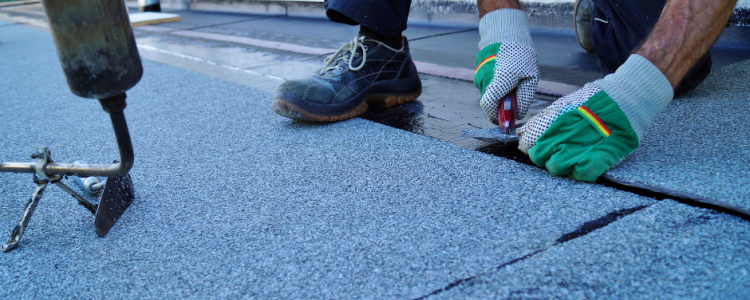
Please donate if it is in good condition, otherwise please take to your local reuse and recycling centre however if there is not too much, please put in your general waste at home.
Which reuse and recycling centre can I take it to?

Guidance
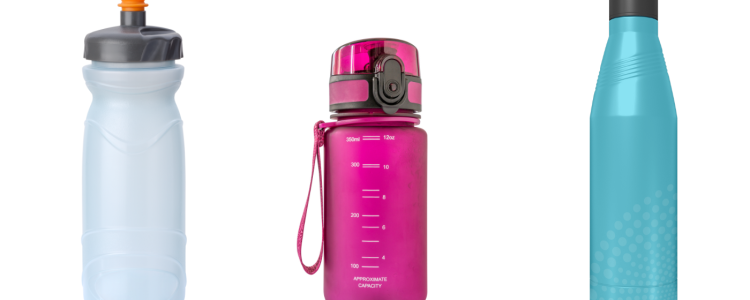
Reusable water bottles, or similar reusable items, that are in a good condition could be sold or donated for reuse or to charity. If the item is not in a good condition, it goes in the general waste bin.
Alternatively you can contact the manufacturer to see if they offer a recycling service or take-back scheme.

Alias: roll on deodorant, antiperspirant
Guidance
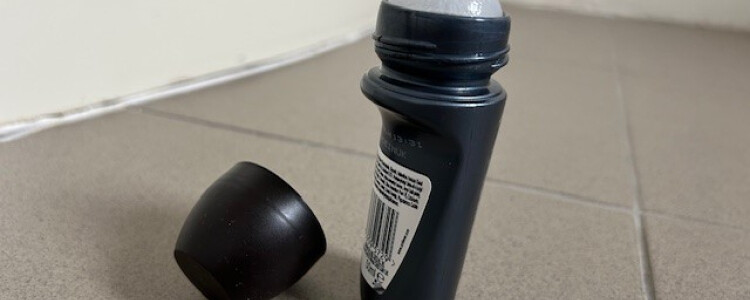
Plastic roll-on deodorant containers can be recycled. Please make sure that they are empty before putting in the recycling bin.
Which reuse and recycling centre can I take it to?

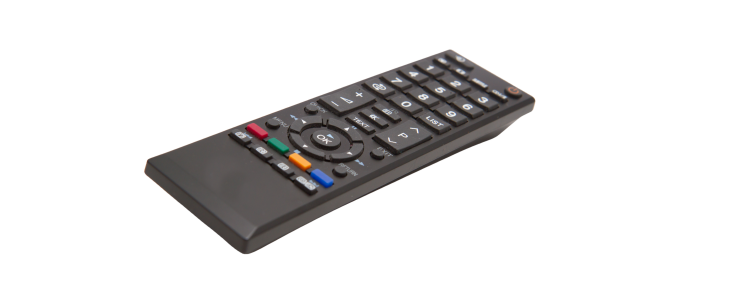
Alias: remote, TV remote, DVD remote, VCR remote
Guidance
Batteries cannot go into your general waste at home, so if the remote has a battery still inside it, or a battery you can’t remove, you will need to take it to an e-waste recycling point, such as at a reuse and recycling centre (RRC) (opens in a new window).
If the remote has removeable batteries, like AA or AAA batteries, you can take these out and put the rest of the remote in your bin at home. You must make sure all batteries are removed, and the batteries themselves can’t go in the bin – see our page on batteries to find where you can dispose of them, including our RRCs.
Which reuse and recycling centre can I take it to?

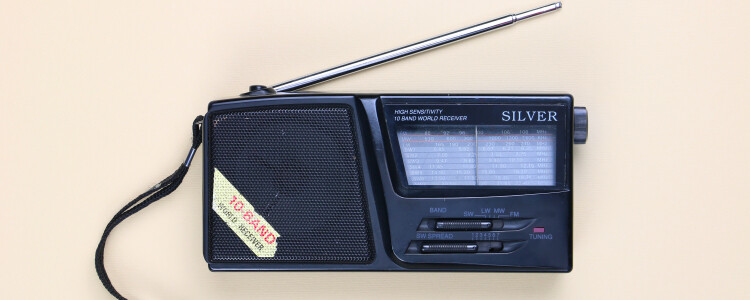
Alias: radio
Guidance
Small electrical items that are in good condition could be sold or donated for reuse or to charity. If the item is not reusable, it can be recycled. Find out more on our page about recycling electrical items (opens in a new window)
Could your radio be repaired? Find a London repair business in our Repair Directory (opens in a new window). Or contact the manufacturer to see if they offer repair advice or services.
Which reuse and recycling centre can I take it to?

Guidance
These cannot go in your household recycling and need to be disposed of in the general waste.
If they are made mostly from metal they can be taken to your local recycling centre and placed in the scrap metal containers.
Which reuse and recycling centre can I take it to?

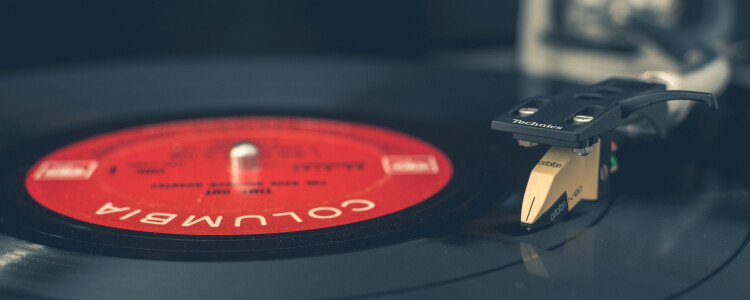
Alias: records
Guidance
Records that are in good condition can be sold or given away online or donated to charity. However if the record is not in good condition, they cannot be recycled so would need to go in your general waste.
Which reuse and recycling centre can I take it to?

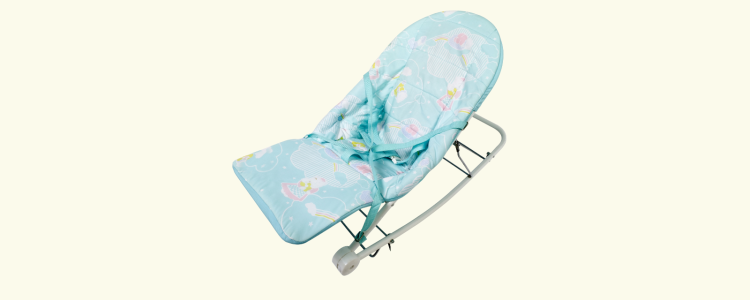
Alias: high chair, bouncer, rocker, swing chair, highchair
Guidance
If they are in a good condition, baby chairs could be sold online, taken to a charity shop or given away on websites like Freecycle (opens in a new window), Freegle (opens in a new window) or Olio (opens in a new window). Some local authorities and charities might even collect reusable items from your home.
If the chair is large, you can make use of your local council’s bulky collection service (open in a new window), but there can be a charge for the bulky waste collection services.
You can also take baby chairs to one of north London’s reuse and recycling centres (RRCs) (opens in a new window). If it is reusable, it will be put aside and sold in our Reuse Shop. If not reusable, it will be recycled where possible.
Please note that non-reusable furniture can only be taken to Kings Road Reuse and Recycling Centre if it is broken up into the different types of material, like wood and metal.
Which reuse and recycling centre can I take it to?

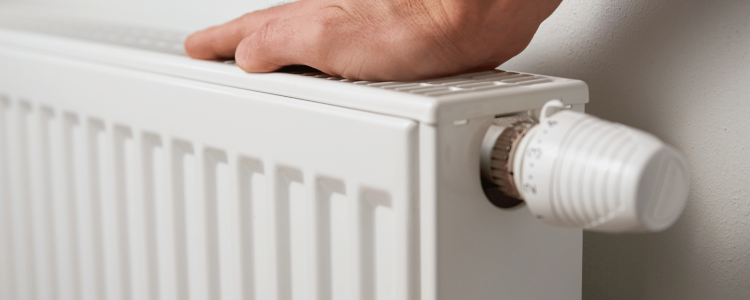
Alias: oil-filled radiator, oil radiator
Guidance
If a radiator is in good condition, it could be sold or donated for reuse or to charity. If it cannot be reused, you can bring an old radiator to one of north London’s reuse and recycling centres.
Which reuse and recycling centre can I take it to?
Guidance
Corrugated cardboard can go into your recycling bin at home or you can take it to some of north London’s reuse and recycling centres (see below).
Which reuse and recycling centre can I take it to?

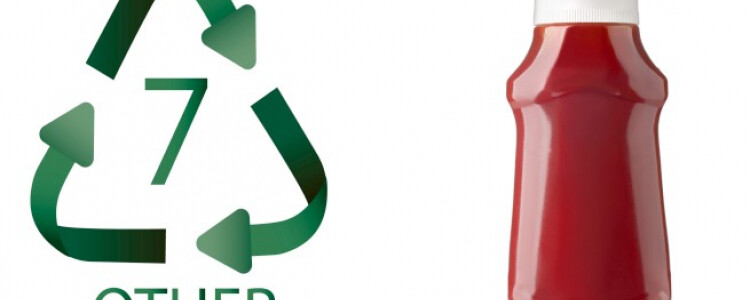
Alias: symbol 7, other plastics
Guidance
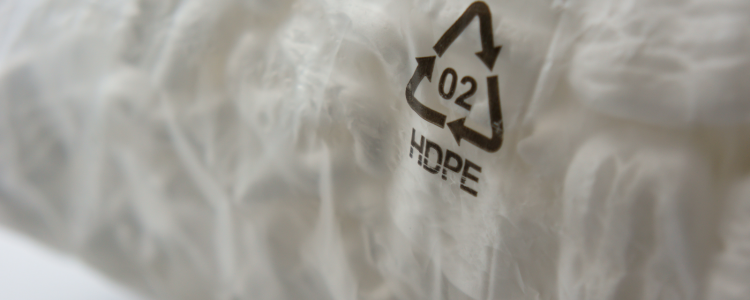
You might be surprised to know that we don’t use plastic resin identification codes to decide if something can be recycled. In fact, our recycling contract with the company that separates the recycling (Biffa) includes a long list of items that can be recycled, not a list of plastic types. Read more about this in our article Do plastic codes tell you if something is recyclable? (opens in a new window).
To check if something is recyclable, either search for the individual item on our A-Z function (opens in a new window), or check on our recycling page (opens in a new window).
If you weren’t able to find what you were looking for, please send a photograph of the item to post@nlwa.gov.uk and we will add it to the A-Z.

Alias: pyrex
Guidance
Pyrex products cannot be accepted for recycling because the type of glass used in microwave plates, pyrex and plate glass melts at a different temperature from the glass used for bottles and jars. If plate glass or pyrex enters the glass recycling process it can result in new containers being rejected. It is therefore not something that either the smelting plant or the manufacturers want and it should therefore not be included in your recycling.

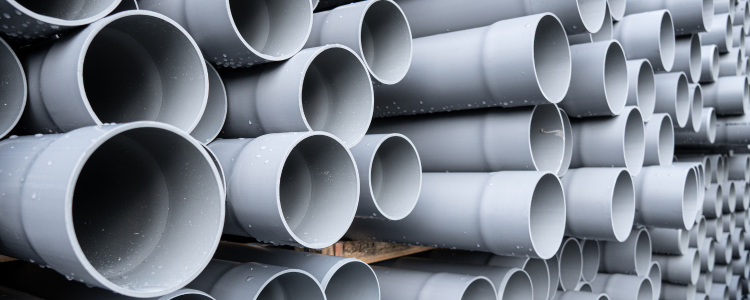
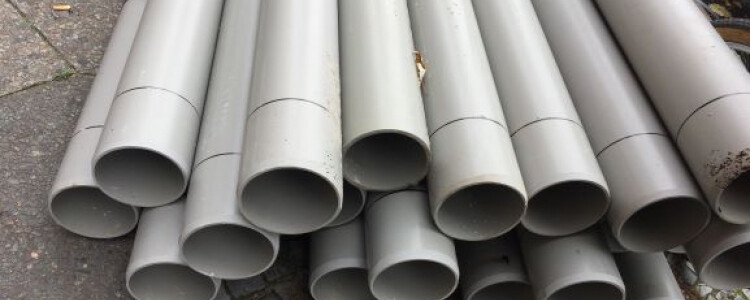
Alias: plastic pipe
Guidance
PVC pipes can go in the ‘general waste’ bin at one of north London’s reuse and recycling centres – see the list of sites below.
Which reuse and recycling centre can I take it to?

Guidance
You might be surprised to know that we don’t use plastic resin identification codes to decide if something can be recycled. In fact, our recycling contract with the company that separates the recycling (Biffa) includes a long list of packaging items that can be recycled, not a list of plastic types. Read more about this in our article Do plastic codes tell you if something is recyclable? (opens in a new window).
To check if something is recyclable, either search for the individual item on our A-Z function (opens in a new window), or check on our recycling page (opens in a new window).
If you weren’t able to find what you were looking for, please send a photograph of the item to post@nlwa.gov.uk and we will add it to the A-Z.

Guidance
PS (polystyrene) can be made into rigid or foam products. Check these web pages to work out which one you’ve got:
If you weren’t able to find what you were looking for, please send a photograph of the item to post@nlwa.gov.uk and we will add it to our A-Z search function.

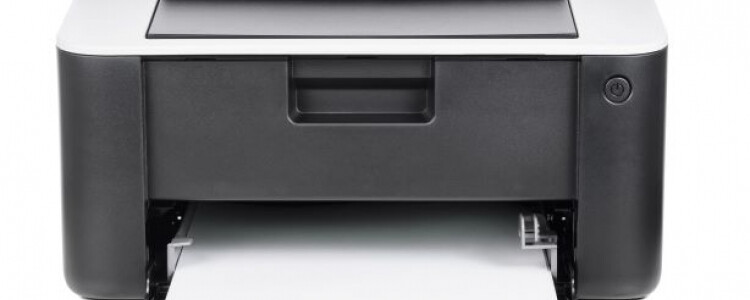
Alias: printers
Guidance
Small electrical items that are in good condition could be sold or donated for reuse or to charity. If the item is not reusable, it can be recycled. Find out more on our page about recycling electrical items (opens in a new window).
Could your printer be repaired? Find a London repair business in our Repair Directory (opens in a new window). Or contact the manufacturer to see if they offer repair advice or services.
Which reuse and recycling centre can I take it to?

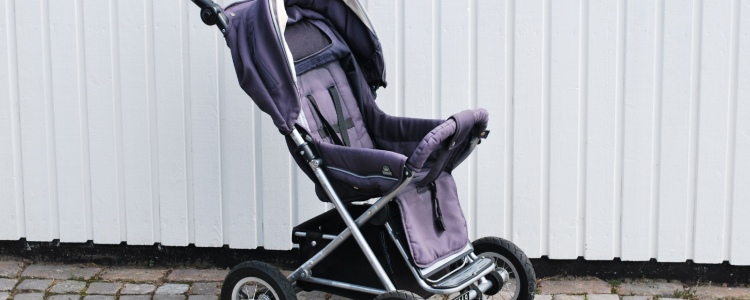
Alias: buggy, buggies, stroller, pram, pushchair
Guidance
If they are in a good condition, prams and pushchairs could be sold online, taken to a charity shop or given away on websites like Freecycle (opens in a new window) Freegle (opens in a new window) or Olio(opens in a new window). Some local authorities and charities might even collect reusable items from your home.
If the pram is large, you can make use of your local council’s bulky collection service (open in a new window), but there can be a charge for the bulky waste collection services.
You can also take prams to a north London reuse and recycling centre (RRCs) (opens in a new window) that accepts general waste. This is any RRC except Kings Road RRC or our pedestrian drop-off points at Hornsey Street or EcoPark RRCs.
Which reuse and recycling centre can I take it to?

Alias: printer cartridges, Toner cartridges
Guidance
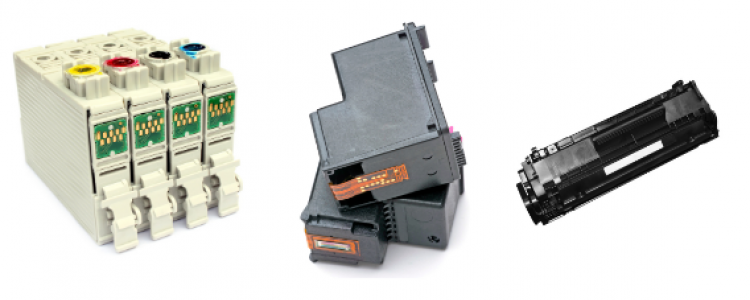
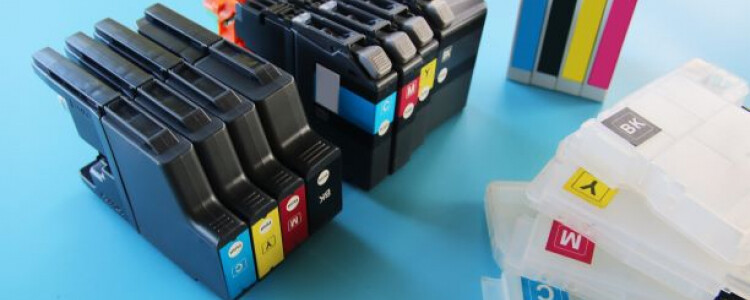
Charities like Recycle4Charity (opens in a new window) will accept printer ink cartridges. For each cartridge donated, they will pay up to £2 to a charity of your choice.
Some large shops will also refill ink cartridges so you can re-use them.
Alternatively, you can take them to one of north London’s reuse and recycling centres(opens in a new window).
Which reuse and recycling centre can I take it to?

Alias: projectors
Guidance
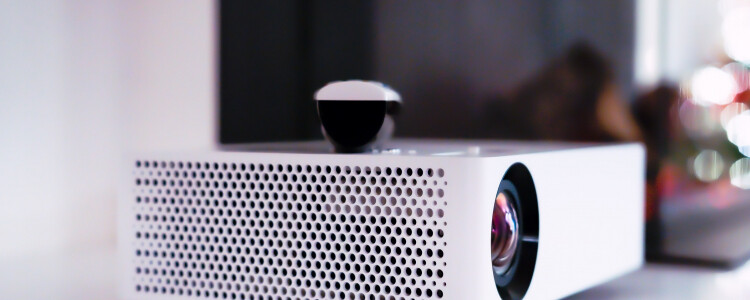
If you have a household electrical item that is in good condition, it could be sold or donated for reuse or to charity. If the item is not reusable, there are lots of ways to recycle it. Visit our page about recycling electrical items (opens in a new window).
Could your projector be repaired? Find a London repair business in our Repair Directory (opens in a new window). Or contact the manufacturer to see if they offer repair advice or services.
Which reuse and recycling centre can I take it to?

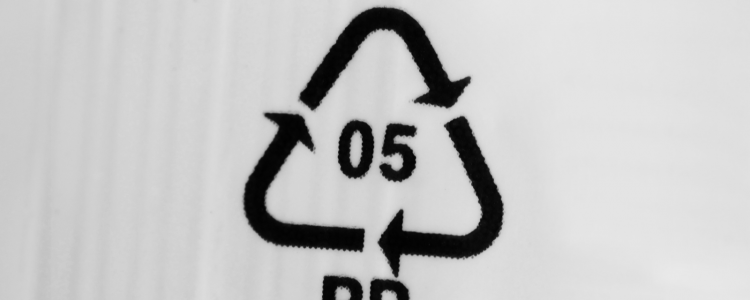
Guidance
You might be surprised to know that we don’t use plastic resin identification codes to decide if something can be recycled. In fact, our recycling contract with the company that separates the recycling (Biffa) includes a long list of packaging items that can be recycled, not a list of plastic types. Read more about this in our article Do plastic codes tell you if something is recyclable? (opens in a new window).
To check if something is recyclable, either search for the individual item on our A-Z function (opens in a new window), or check on our recycling page (opens in a new window).
If you weren’t able to find what you were looking for, please send a photograph of the item to post@nlwa.gov.uk and we will add it to the A-Z.

Alias: postage stamps
Guidance
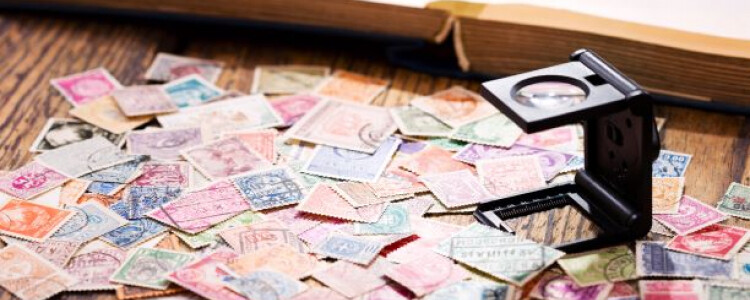
Many charities accept used stamps as they can benefit from reusing them. Alternatively, they can be left on mailed items and placed in your household recycling.

Guidance
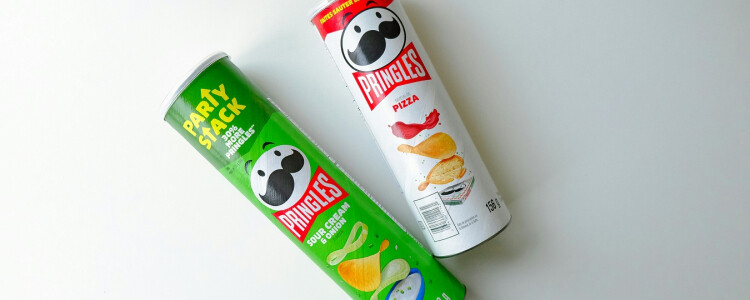
Pringles tubes cannot go in your recycling bin at home. This is because they are made up of lots of different materials: a metal base, foil-lined cardboard tube, plastic cap and metal tear-off lid. We do not have the technology to separate these materials.
Pringles has partnered with Terracycle to provide drop-off recycling points across the UK. Find a Pringles recycling point near you (opens in a new window).
Guidance
You might be surprised to know that we don’t use material identification codes to decide if something can be recycled. In fact, our recycling contract with the company that separates the recycling (Biffa) includes a long list of packaging items that can be recycled, not a list of plastic types. Read more about this in our article Do plastic codes tell you if something is recyclable? (opens in a new window).
To check if something is recyclable, either search for the individual item on our A-Z function (opens in a new window), or check on our recycling page (opens in a new window).
If you weren’t able to find what you were looking for, please send a photograph of the item to post@nlwa.gov.uk and we will add it to the A-Z.

Alias: PVC window frame, uPVC window frame, double glazed window
Guidance
A plastic window frame can go in the ‘general waste’ bin at one of north London’s reuse and recycling centres – see the list of sites below.
Which reuse and recycling centre can I take it to?

Guidance
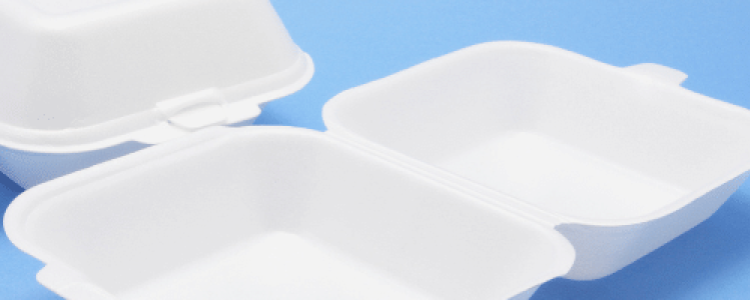
Polystyrene takeaway containers are not currently recycled in north London. Please put it in your general waste. However, you can recycle expanded polystyrene at all our reuse and recycling centres.

Alias: washing-up bowl, plastic basin
Guidance
Plastic washing up bowls are made of hard plastic. You can bring hard plastic items to our reuse and recycling centres, or if the item fits, it can go in your general rubbish bin at home.
End of hard plastics recycling trial
We have recently had to stop our hard plastics recycling scheme, so these items will be treated as general waste and sent to our energy recovery facility. This is because our recycling processor recently advised us the UK doesn’t currently have the processing capacity to recycle hard plastics, due to high energy prices and an oversupply of cheaper imported plastic products. We will continue to look for a market for these items in case it is possible for us to resume the scheme.
Which reuse and recycling centre can I take it to?

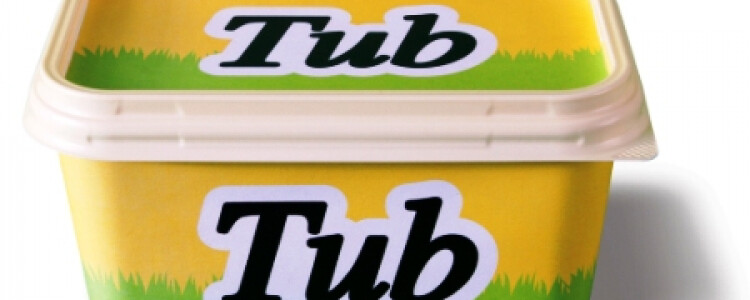
Alias: margarine tubs, plastic tub
Guidance
These can be recycled at home. Please make sure they are clean. Remove film lids, although foil lids are recyclable, and any cardboard packaging but labels can be left on.

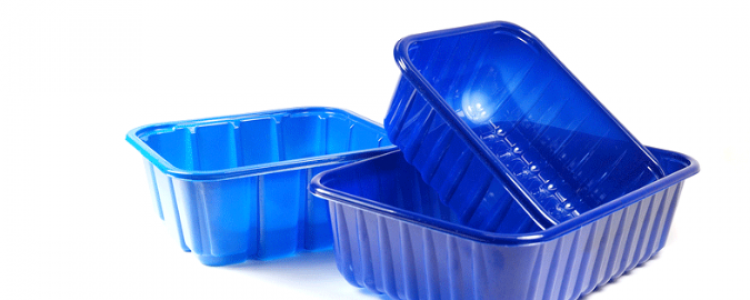
Alias: plastic trays, vegetable trays
Guidance
These can be recycled at home. Please just give them a quick rinse to make sure there is no food left inside. Remove film lids, absorbent pads and any cardboard packaging but labels can be left on.

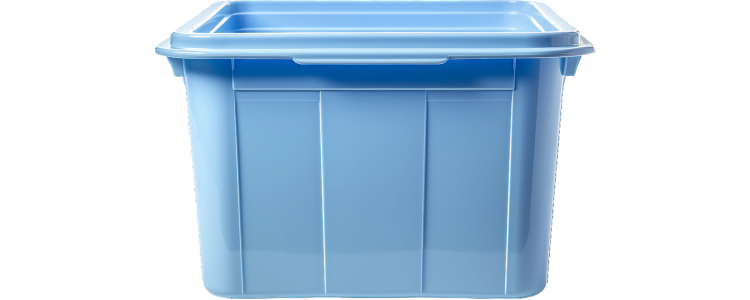
Guidance
Plastic storage boxes are made of hard plastic. You can bring hard plastic items to most of our reuse and recycling centres, or if the item fits, it can go in your general rubbish bin at home.
End of hard plastics recycling trial
We have recently had to stop our hard plastics recycling scheme, so these items will be treated as general waste and sent to our energy recovery facility. This is because our recycling processor recently advised us the UK doesn’t currently have the processing capacity to recycle hard plastics, due to high energy prices and an oversupply of cheaper imported plastic products. We will continue to look for a market for these items in case it is possible for us to resume the scheme.
Which reuse and recycling centre can I take it to?

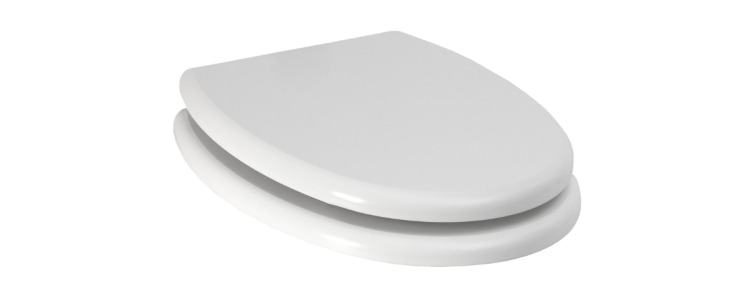
Guidance
Plastic toilet seats are made of hard plastic. You can bring hard plastic items to our reuse and recycling centres. However, we have recently had to stop our hard plastics recycling scheme, so these items will be treated as general waste and sent to our energy recovery facility. This is because our recycling processor recently advised us the UK doesn’t currently have the processing capacity to recycle hard plastics, due to high energy prices and an oversupply of cheaper imported plastic products. We will continue to look for a market for these items in case it is possible for us to resume the scheme.
If you are unable to take the item(s) to one of these sites, you can put it in your general rubbish bin at home.
Which reuse and recycling centre can I take it to?

Guidance
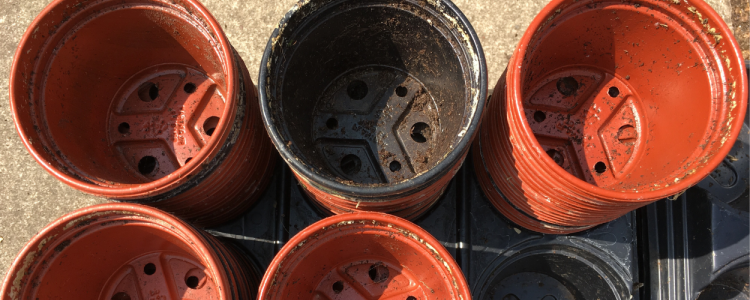
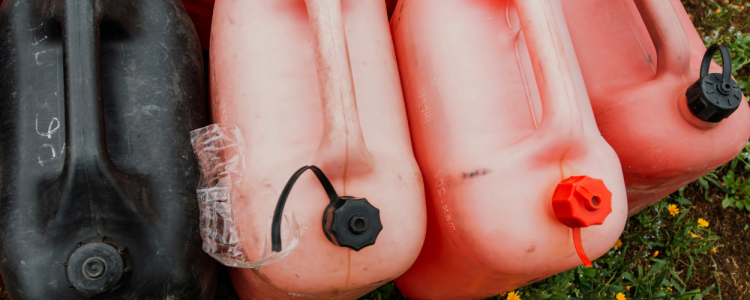
Plastic plant pots are made of hard plastic, which we are currently unable to recycle. If it fits, you can put it in your general waste bin at home, or bring it to your nearest reuse and recycling centre.
End of hard plastics recycling trial
We have recently had to stop our hard plastics recycling scheme, so these items will be treated as general waste and sent to our energy recovery facility. This is because our recycling processor recently advised us the UK doesn’t currently have the processing capacity to recycle hard plastics, due to high energy prices and an oversupply of cheaper imported plastic products. We will continue to look for a market for these items in case it is possible for us to resume the scheme.
Which reuse and recycling centre can I take it to?

Alias: plastic paint container, paint pot
Guidance
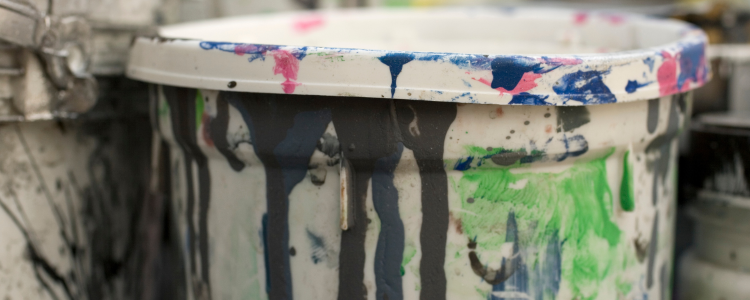
Empty plastic paint pots cannot be recycled. Please put them in your rubbish bin or in the ‘general waste’ bin at one of north London’s reuse and recycling centres – see sites listed below.
Which reuse and recycling centre can I take it to?

Guidance
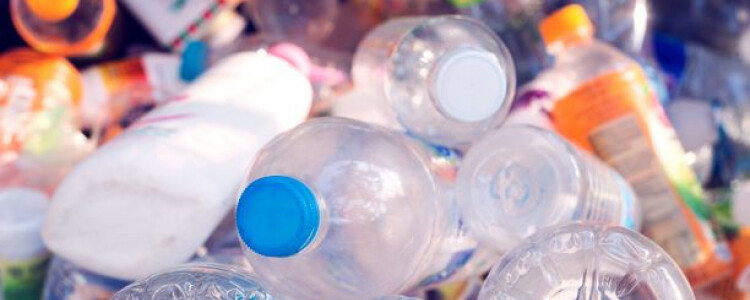
Most plastic packaging can be recycled in north London, please just empty and rinse items first.
Items that can be recycled
Items that cannot be recycled
Which reuse and recycling centre can I take it to?

Alias: milk bottles
Guidance
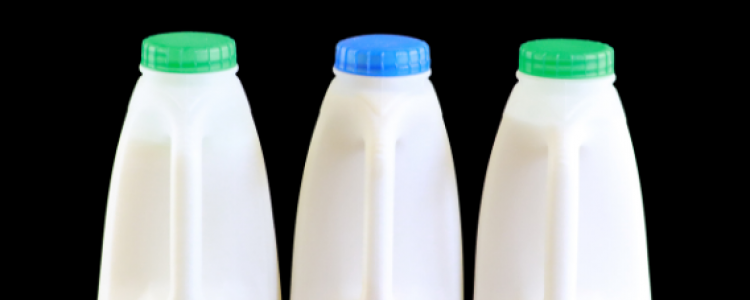
These can be recycled at home. Empty and rinse well, remove cardboard packaging but labels can be left on.
Which reuse and recycling centre can I take it to?

Alias: film, flexible plastic, soft plastic
Guidance
Plastic film cannot be recycled at home. Please put it in your general waste, or take it to a collection point at the larger stores of most major supermarkets including Tesco, Asda, Morrisons, Sainsbury’s, The Co-op and Waitrose. Use the Recycle Now locator (opens in a new window) to find out more or find a collection point.

Alias: post it notes, postit
Guidance
You can put post-it notes in the recycling, but only if you stick them onto a larger piece of paper first. If you do not stick them onto a larger piece of paper, you can instead put them in your rubbish bin.
If post-it notes are put into the recycling loose, on their own, they will not get recycled because they are too small to be separated in the sorting facility.

Alias: water butt
Guidance
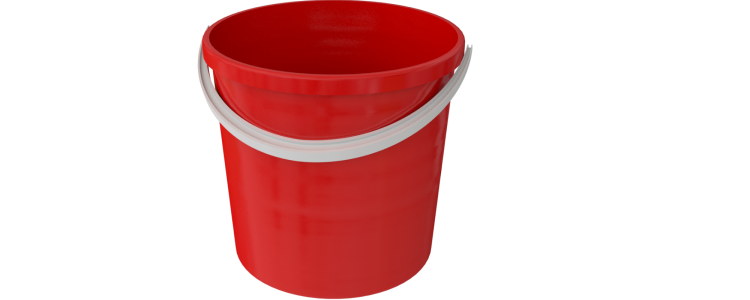
Plastic buckets are made of hard plastic. You can bring hard plastic items to most of our reuse and recycling centres, or if the item fits, it can go in your general rubbish bin at home.
End of hard plastics recycling trial
We have recently had to stop our hard plastics recycling scheme, so these items will be treated as general waste and sent to our energy recovery facility. This is because our recycling processor recently advised us the UK doesn’t currently have the processing capacity to recycle hard plastics, due to high energy prices and an oversupply of cheaper imported plastic products. We will continue to look for a market for these items in case it is possible for us to resume the scheme.
Which reuse and recycling centre can I take it to?

Alias: plastic pallet
Guidance
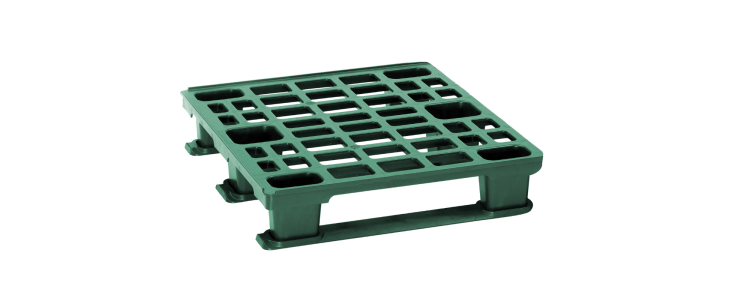
Plastic crates are made of hard plastic. You can bring hard plastic items to our reuse and recycling centres. However, we have recently had to stop our hard plastics recycling scheme, so these items will be treated as general waste and sent to our energy recovery facility. This is because our recycling processor recently advised us the UK doesn’t currently have the processing capacity to recycle hard plastics, due to high energy prices and an oversupply of cheaper imported plastic products. We will continue to look for a market for these items in case it is possible for us to resume the scheme.
If you are unable to take the item(s) to one of these sites, you can put it in your general rubbish bin at home.
Which reuse and recycling centre can I take it to?

Alias: Intermediate Bulk Container, IBC, mortar tub, plastic can, plastic drum
Guidance
Plastic canisters are made of hard plastic. You can bring hard plastic items to most of our reuse and recycling centres, or if the item fits, it can go in your general rubbish bin at home.
End of hard plastics recycling trial
We have recently had to stop our hard plastics recycling scheme, so these items will be treated as general waste and sent to our energy recovery facility. This is because our recycling processor recently advised us the UK doesn’t currently have the processing capacity to recycle hard plastics, due to high energy prices and an oversupply of cheaper imported plastic products. We will continue to look for a market for these items in case it is possible for us to resume the scheme.
Which reuse and recycling centre can I take it to?
Alias: plastic bottles chemicals
Guidance
Plastic bottles containing strong chemicals that are highly poisonous are hazardous to staff and can damage the recycling equipment. Check the bottle for disposal instructions or use the free City of London Hazardous Waste Service (opens in a new window).

Alias: plastic bottles, cosmetics bottles, drink bottle
Guidance
These can be recycled at home. Empty and rinse well, remove cardboard packaging but labels can be left on
Which reuse and recycling centre can I take it to?
plastic bottle triggers, soap dispenser

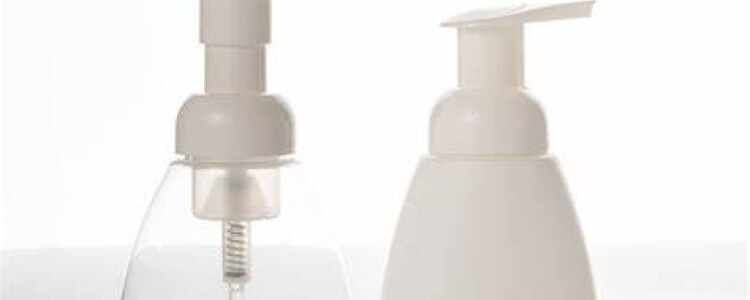
Alias: plastic bottle triggers, soap dispenser
Guidance
These can be recycled at home. Empty and rinse well, labels can be left on. The trigger/pump part is more likely to get recycled if you leave it attached to the bottle.

Alias: plastic bottles, cosmetics bottles, drink bottle
Guidance
These can be recycled at home. Empty and rinse well, remove cardboard packaging but labels can be left on.
Which reuse and recycling centre can I take it to?

Alias: wheelie bin
Guidance
A plastic bin is made of hard plastic. You can bring hard plastic items to most of our reuse and recycling centres. Or if the item fits, it can go in your general rubbish bin at home.
We have recently had to stop our hard plastics recycling scheme, so these items will be treated as general waste and sent to our energy recovery facility. This is because our recycling processor recently advised us the UK doesn’t currently have the processing capacity to recycle hard plastics, due to high energy prices and an oversupply of cheaper imported plastic products. We will continue to look for a market for these items in case it is possible for us to resume the scheme.
Which reuse and recycling centre can I take it to?

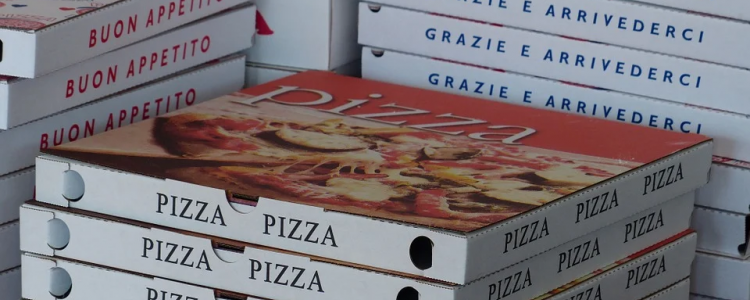
Alias: pizza boxes
Guidance
Pizza boxes can be recycled as long as they are not covered with lots of oil/grease or food. A little bit of grease is okay.
If there’s lots of grease on the box, it cannot be recycled because it makes the cardboard fibres stick together. This is difficult for cardboard manufacturers because in order to make new cardboard, they need to be able to separate the individual cardboard fibres.

Alias: pipes
Guidance
DIY waste from your household can be taken to one of north London’s reuse and recycling centres (RRC). Alternatively, you could make use of your local council’s bulky collection service.
Which reuse and recycling centre can I take it to?

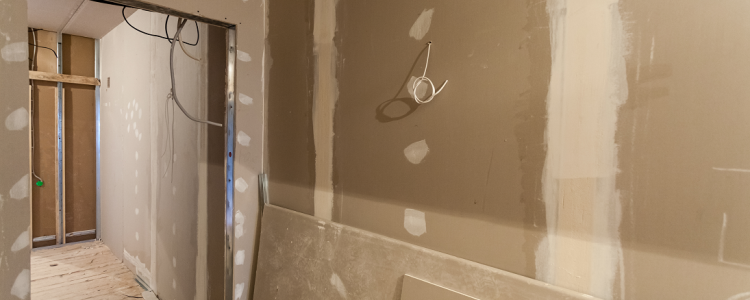
Alias: plasterboard
Guidance
This must be separated from other waste as it contains gypsum. You can take it to any of north London’s reuse and recycling centres. Alternatively, you could enquire with your local council whether they accept plasterboard as part of the bulky waste collection service.
You can also take reusable DIY waste to one of our DIY reuse points (opens in a new window) at South Access Road Reuse and Recycling Centre in Waltham Forest or Summers Lane Reuse and Recycling Centre in Barnet. Or try offering it for free on a community forum (opens in a new window).
Which reuse and recycling centre can I take it to?

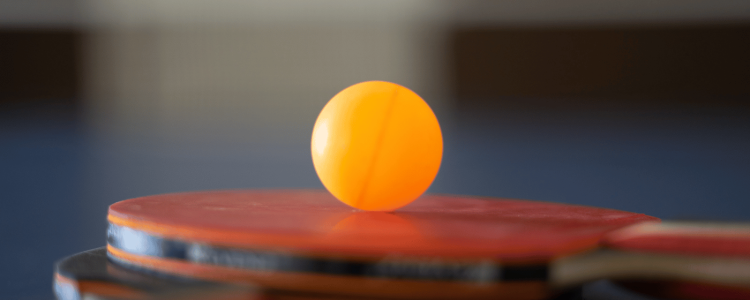
Alias: table tennis ball, plastic ball
Guidance
Ping pong balls are made of a different type of plastic than other packaging from your home. They cannot go into the recycling bin. If they cannot be reused or donated to charity, please put them in your rubbish bin.
Photographs

Alias: photos
Guidance
Old photographs that have been developed from film cannot be recycled in north London’s household collection, and need to go in the general waste bin.
Photographs that have been printed onto paper from a digital photo can go in the recycling, as they are similar to other glossy paper like magazines.

Alias: headache pills, tablets
Guidance
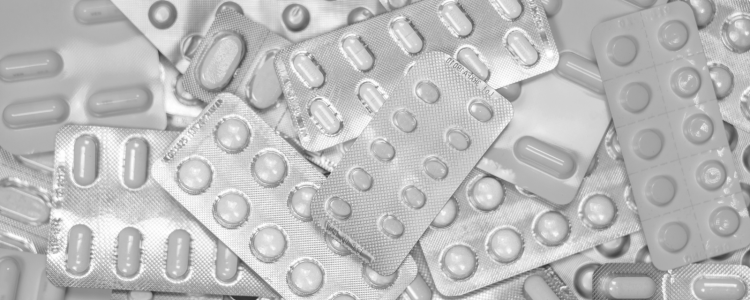
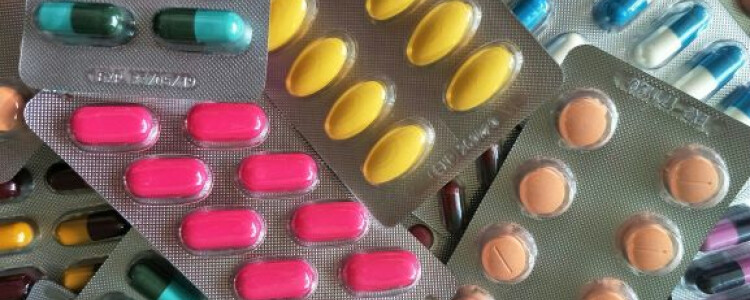
Unopened, unused and out-of-date medicines can be returned to pharmacies for disposal. Opened medicines go in your general waste bin. Do not flush medicines down the toilet.
Cardboard and plastic medicine containers can go in your recycling at home, but not blister packs – see our guidance on blister pack disposal (opens in a new window)

Alias: lawnmowers, electric grass trimmer
Guidance
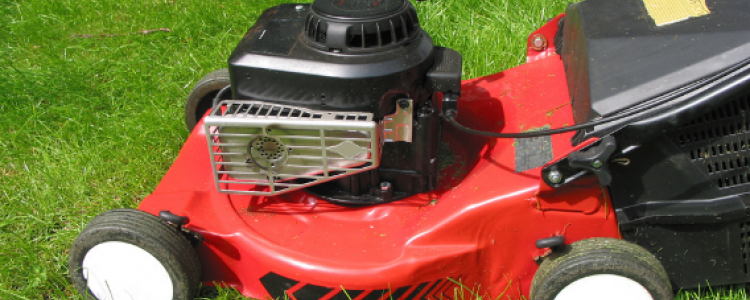
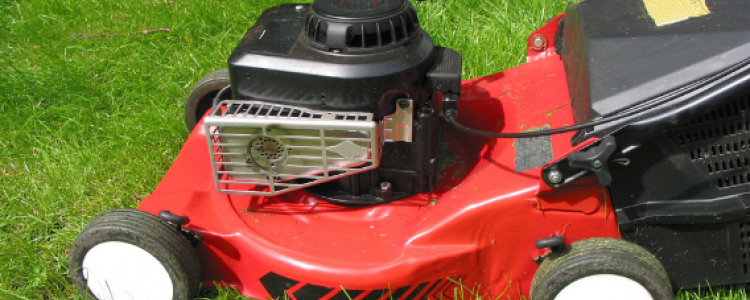
If a petrol lawnmower or strimmer is in good condition, it could be sold or donated for reuse or to charity. If the item is not reusable, please empty the petrol out of it and then take it to a reuse and recycling centre.
Could the be repaired? Find a London repair business in our Repair Directory (opens in a new window). Or contact the manufacturer to see if they offer repair advice or services.
Which reuse and recycling centre can I take it to?

Alias: pet food
Guidance
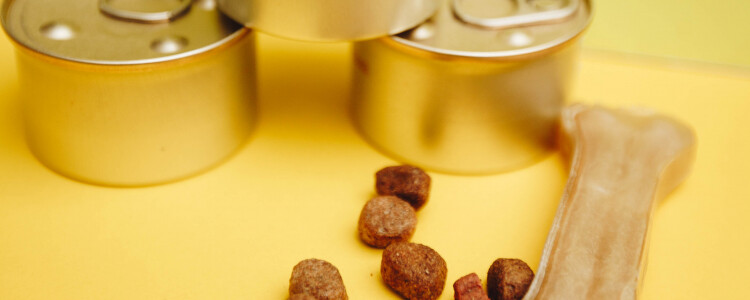
If your local council provides a food waste collection service where you live, you can dispose of pet food in your food bin. All types of food can go in the bin but please do not add: any kind of plastic or packaging, liquids including liquid fat/oil, and garden waste including wood or cut flowers. If you do not have a food waste service, the pet food would need to go in your general waste bin.

perfume bottles
Alias: perfume bottles
Guidance
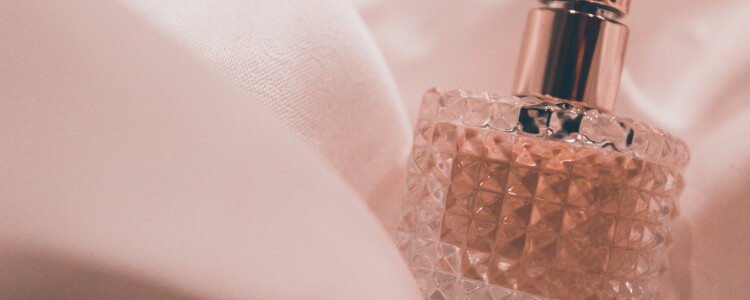
All colours of glass can be recycled at home. Please just ensure that bottles are empty.
Which reuse and recycling centre can I take it to?

Guidance
You might be surprised to know that we don’t use plastic resin identification codes to decide if something can be recycled. In fact, our recycling contract with the company that separates the recycling (Biffa) includes a long list of items that can be recycled, not a list of plastic types. Read more about this in our article Do plastic codes tell you if something is recyclable? (opens in a new window).
To check if something is recyclable, either search for the individual item on our A-Z function (opens in a new window), or check on our recycling page (opens in a new window).
If you weren’t able to find what you were looking for, please send a photograph of the item to post@nlwa.gov.uk and we will add it to the A-Z.
Alias: Petrol
Guidance
Unfortunately, we cannot accept petrol at our north London reuse and recycling centres (RRC) due it being highly flammable and for storage requirement purposes. If you cannot find a way to use the petrol, you will need to use the free City of London Hazardous Waste Service (opens in a new window).

Alias: pens, marker pens, felt tip pens, highlighters, stationary, highlighter, biros, rulers
Guidance
We can’t recycle pens so please put them in your general waste.
There are a growing number of modern, refillable pens on the market. Depending on the type of pen you like to write with, you can reduce waste and save money by switching to refillable.

Guidance
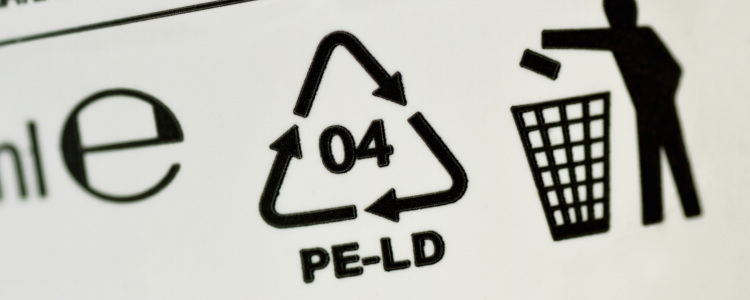
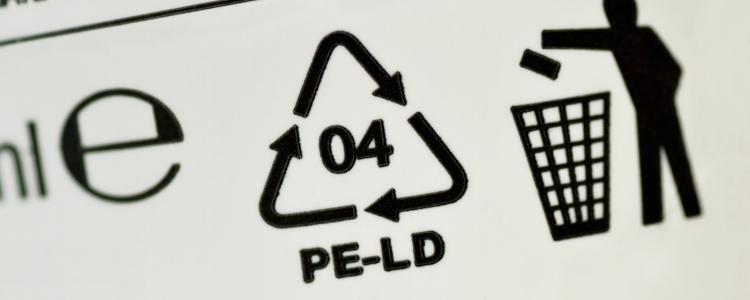
PE-LD04 thin plastic film cannot be recycled at home. Please put it in your general waste, or take it to a collection point at the larger stores of most major supermarkets including Tesco, Asda, Morrisons, Sainsbury’s, The Co-op and Waitrose. Use the Recycle Now locator (opens in a new window) to find out more or find a collection point.

Alias: pencils
Guidance
We can’t recycle pencils because they are made up of a number of different materials, so please put them in your general waste.

Guidance
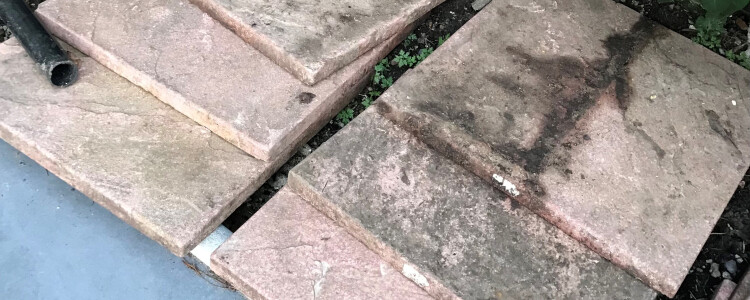
If slabs are in good condition and could be used by someone else, try posting them on forums like Freecycle (opens in a new window) or Freegle (opens in a new window) to offer them for free. You can also take reusable DIY waste to one of our DIY reuse points (opens in a new window) at South Access Road Reuse and Recycling Centre in Waltham Forest or Summers Lane Reuse and Recycling Centre in Barnet.
You could also consider contacting a local allotment or community garden to see if they would like the slabs.
If the slabs can’t be reused, small amounts of DIY waste and building materials can be taken to one of north London’s reuse and recycling centres (RRC) where you can recycle metals, wood, hardcore material such as rubble, concrete and soil.
Each north London household can take DIY waste capable of being fitted into two 50 litre bags, four times in any four week period. This includes concrete, brick, stones, pebbles, sand and gravel. Read more:
Guidance
You might be surprised to know that we don’t use plastic resin identification codes to decide if something can be recycled. In fact, our recycling contract with the company that separates the recycling (Biffa) includes a long list of packaging items that can be recycled, not a list of plastic types. Read more about this in our article Do plastic codes tell you if something is recyclable? (opens in a new window).
To check if something is recyclable, either search for the individual item on our A-Z function (opens in a new window), or check on our recycling page (opens in a new window).
If you weren’t able to find what you were looking for, please send a photograph of the item to post@nlwa.gov.uk and we will add it to the A-Z.

Alias: Cardboard
Guidance
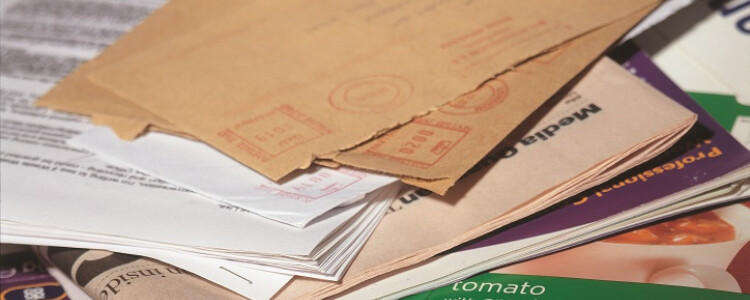
Most types of paper and card can be recycled in north London. Please just make sure it has no dirt, foodstuffs, grease or paint on it.
Items that can be recycled
Items that cannot be recycled
Which reuse and recycling centre can I take it to?
Guidance
You might be surprised to know that we don’t use material identification codes to decide if something can be recycled. In fact, our recycling contract with the company that separates the recycling (Biffa) includes a long list of packaging items that can be recycled, not a list of plastic types. Read more about this in our article Do plastic codes tell you if something is recyclable? (opens in a new window).
To check if something is recyclable, either search for the individual item on our A-Z function (opens in a new window), or check on our recycling page (opens in a new window).
If you weren’t able to find what you were looking for, please send a photograph of the item to post@nlwa.gov.uk and we will add it to the A-Z.
Guidance
Non-corrugated paperboard can go into your recycling bin at home or you can take it to some of north London’s reuse and recycling centres (see below).
Which reuse and recycling centre can I take it to?
Guidance
The identification codes show which type of material was used to make a product. That means it doesn’t necessarily indicate a product’s recyclability. To check if something is recyclable, either search for the individual item on our A-Z function (opens in a new window), or check on our recycling page (opens in a new window).
The ‘paper’ code refers to all types of paper you might commonly see around you. For instance, books, newspapers, leaflets, or even some straw-like packaging materials. It can go into your recycling bin at home or you can take it to some of north London’s reuse and recycling centres (see below).
Which reuse and recycling centre can I take it to?
Guidance
You might be surprised to know that we don’t use material identification codes to decide if something can be recycled. In fact, our recycling contract with the company that separates the recycling (Biffa) includes a long list of packaging items that can be recycled, not a list of plastic types. Read more about this in our article Do plastic codes tell you if something is recyclable? (opens in a new window).
To check if something is recyclable, either search for the individual item on our A-Z function (opens in a new window), or check on our recycling page (opens in a new window).
If you weren’t able to find what you were looking for, please send a photograph of the item to post@nlwa.gov.uk and we will add it to the A-Z.
Guidance
Corrugated cardboard can go into your recycling bin at home or you can take it to some of north London’s reuse and recycling centres (see below).
Which reuse and recycling centre can I take it to?

Alias: packaging
Guidance
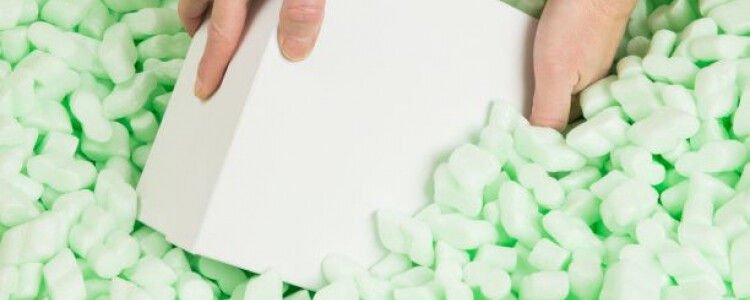
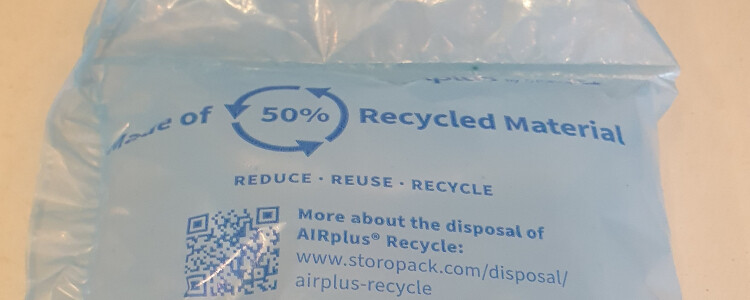
Cardboard packaging can be recycled at home. However, polystyrene and bubble wrap cannot be recycled so should be reused or placed in your general waste.

Alias: empty paint tin, paint pot, paint container
Guidance
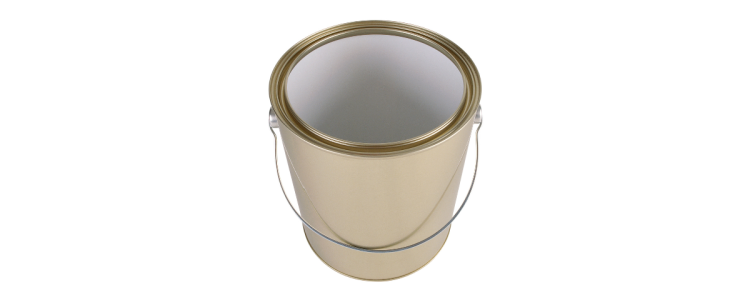
Empty metal containers like paint tins can be taken to one of north London’s reuse and recycling centres where they can be recycled. However if the container is made from plastic, it cannot be recycled and should be placed in your general waste.
Which reuse and recycling centre can I take it to?

Alias: Paint brush, paint roller, paint rag
Guidance
Unwanted paint brushes and rollers that are clean and in a reusable state could be given away locally or donated for reuse through online sites such as Freecycle (opens in a new window), Gumtree (opens in a new window) or Olio (opens in a new window). However, if they are not fit for reuse, please dispose of them in your general waste bin. These items are usually coated in paint and made from a mix of materials, which makes them difficult and costly to separate for recycling. There is currently no recycling option for these items in north London. Rags that are heavily soiled with paint or thinners should be disposed of in the general waste bin.

Alias: paint thinners
Guidance
This is classed as ‘hazardous’ waste so should be disposed of carefully. You will need to use the free City of London Hazardous Waste Service (opens in a new window).

Alias: Amazon chilled groceries bag, Morrisons chilled groceries bag, paper and foil packaging bag
Guidance
Packaging bags used for chilled and frozen groceries, with a shiny silver layer inside and paper exterior, can go into your recycling bin at home.

Alias: leftover paint
Guidance
Paint and varnish that could be reused can be taken to any of north London’s reuse and recycling centres (opens in new window), but not Barrowell Green (Enfield). This scheme is part of the Community Repaint (opens in new window) reuse scheme. The leftover paint/varnish is also available for residents to take away for free from these sites.
You can read more about the environmental impact of paint, and how you can use reclaimed paint, on our webpage on paint reuse.
If product is too old to be reused, there are various ways to dispose of it:
Water-based paint (emulsion)
Oil-based paint (gloss) or varnish
Oil-based paint is ‘hazardous’ and should never be put in the rubbish bin. You can book a hazardous waste collection with the City of London Hazardous Waste Service (opens in new window). This is free for all north London residents.
Please note paint is not accepted at Hornsey Street Reuse and Recycle Centre’s pedestrian zone. It can only be brought to the site by car or van.
Which reuse and recycling centre can I take it to?
Guidance
Polyamide is used to make synthetic fabric. Nylon is a common type of polyamide fabric and is often used to make sportswear and tights.
Clothes or textiles made from Nylon can be donated to charity, taken to an on-street recycling bank or one of north London’s reuse and recycling centres.
Which reuse and recycling centre can I take it to?
Alias: gas bottles, calor gas, gas canisters, gas cylinder, camping gas
Guidance
These should be returned to the issuing company. Their address is usually shown on the label on the cylinder.
If you are unable to return the bottle to the manufacturer, you can take it to one of north London’s reuse and recycling centres (opens in new window). We accept full or partially-full canisters.
Please note gas bottles are not accepted at Hornsey Street Reuse and Recycle Centre’s pedestrian zone. They can only be brought to the site by car or van.
Which reuse and recycling centre can I take it to?
Alias: high chair, bouncer, rocker, swing chair, highchair
Guidance
If they are in a good condition, baby chairs could be sold online, taken to a charity shop or given away on websites like Freecycle (opens in a new window), Freegle (opens in a new window) or Olio (opens in a new window). Some local authorities and charities might even collect reusable items from your home.
If the chair is large, you can make use of your local council's bulky collection service (open in a new window), but there can be a charge for the bulky waste collection services.
You can also take baby chairs to one of north London’s reuse and recycling centres (RRCs) (opens in a new window). If it is reusable, it will be put aside and sold in our Reuse Shop. If not reusable, it will be recycled where possible.
Please note that non-reusable furniture can only be taken to Kings Road Reuse and Recycling Centre if it is broken up into the different types of material, like wood and metal.
Which reuse and recycling centre can I take it to?

Guidance
If your local council provides a garden waste collection service where you live, this can be added to your garden waste bin. Please make sure you do not add plastic bags, soil, turf, stones, rubble, plant pots, painted/treated wood, animal faeces, animal litter, food waste, logs over 30cm in diameter or 2m in length, or any invasive species such as Japanese Knotweed.

Alias: newspapers
Guidance
These can be recycled at home. Please just make sure they have no dirt, foodstuffs, grease or paint on them.

Alias: needles, syringes
Guidance
If you need to dispose of medical waste such as syringes, needles, swabs, or soiled dressings, speak to your GP or pharmacist to get a ‘sharps box’ and advice on how to arrange a collection. This waste should not be put in your rubbish or recycling bins as it can harm our operational staff.
Follow the links below to find out about the free service your borough provides:
There are companies that offer services for commercial premises. Search online or see the waste section of the Yellow Pages or yell.com (opens in a new window) for more information.

Alias: nappies
Guidance
Nappies are made from a combination of natural and synthetic materials. For this reason and for hygiene reasons, they cannot be recycled and should go in the general waste (not flushed down the toilet).

Guidance
Nail varnish remover is hazardous waste and should not be poured down the sink or put into the rubbish bin. You can dispose of it for free through the City of London hazardous waste service (opens in a new window). However, this would need to be part of a bigger booking with other household chemicals like oil-based paint or weed-killer.

Guidance
Unfortunately, nail varnish bottles can’t be recycled. Even though the bottles are made of glass, the nail varnish inside is very difficult to remove, and the bottles are generally so small that they are filtered out during the recycling process.
Please throw your empty nail varnish bottles, including the brush, into your general waste bin.
Alias: engine oil
Guidance
Used engine oil discarded down storm drains can cause considerable environmental damage if it leaches into watercourses and/or groundwater. Take it to one of north London’s reuse and recycling centres (RRC) where it can be recycled.
Which reuse and recycling centre can I take it to?

Alias: nail polish
Guidance
Nail and gel polish are not recyclable, so the best thing to do is use them up.
If you do have unwanted nail varnish, it is highly flammable so please do not put in your household rubbish bin. You can dispose of it for free through the City of London hazardous waste service (opens in a new window). However, this would need to be part of a bigger booking with other household chemicals like oil-based paint or weed-killer.

Alias: paint container, paint pot, paint can
Guidance
Empty metal paint cans can be taken to one of north London’s reuse and recycling centres where they can be recycled.
Which reuse and recycling centre can I take it to?

Alias: clear plastic packaging
Guidance
This can be recycled at home. Please just give them a quick rinse to make sure there is no food left inside. Remove film lids, absorbent pads and any cardboard packaging but labels can be left on.
Which reuse and recycling centre can I take it to?

Alias: Computer cables, chargers, electrical
Guidance
If cables are in good condition, they can be donated for reuse or sold.
If the item is not reusable, you can recycle it. Anything with a plug, battery or cable can be recycled. Find a recycling point near you (opens in a new window).
Or if you live in Camden or Waltham Forest, your council collects small electrical items from some properties. Visit their websites to find out more.
Which reuse and recycling centre can I take it to?

Alias: boots
Guidance
Boots that are in good condition could be sold or reused by donating to charity. Read our article about all the ways to sell and give away unwanted items (opens in a new window).
You can also take them to a north London reuse and recycling centre (opens in a new window) because we put aside reusable things to be sold in our ReUse Shop (opens in a new window).
Which reuse and recycling centre can I take it to?

Alias: bedding, blankets
Guidance
Sheets and blankets in good condition can be sold online, given away or donated to charity. Alternatively, they can be deposited in one of north London’s on-street collection banks. You can also take textile (non stuffed) bedding to a reuse and recycling centre (RRC) (opens in a new window)
Which reuse and recycling centre can I take it to?

Alias: household batteries
Guidance
Batteries should not go into your rubbish or recycling bin at home. Batteries are difficult products to recycle because they are made from so many different materials and they are hazardous as well. If you put your batteries into your bins at home, they may become damaged and catch fire, in your home or in our lorries or facilities. You can read more about the dangers of battery fires on our campaign page, North London, Lead the Charge!
You can take used batteries to be recycled at most large shops or one of our reuse and recycling centres. In fact, any shop selling more than 32kg of batteries a year (around 345 x four-packs of AA batteries each year) have to provide battery recycling collection in-store.
You can bring:
Find your nearest battery recycling point using the form below, or by visiting the Recycle Now website (opens in a new window).
You can reduce waste by using rechargeable batteries and/or plugging electrical equipment into the mains electricity when at home. Or consider using appliances that use renewable energy – a wind-up radio or torch, dynamo bicycle lights, or a solar-powered calculator.
Free battery collections for businesses
If you are a business or organisation is based in the UK, you can have a free battery collection service! The scheme is run by compliance schemes, working in partnership with waste management companies. Just go to Valpak battery box request and complete the form.
Which reuse and recycling centre can I take it to?

Alias: mattress
Guidance
If in good condition, mattresses could be sold online, taken to a charity shop or given away on Freecycle (opens in new window), Freegle (opens in new window) or Olio (opens in a new window). Some local authorities and charities might even collect reusable items from your home. Please note that any furniture containing upholstery needs to have a fire label on it, or it cannot be reused – see Reuse Network (opens in a new window) for more information.
Alternatively, you can recycle your mattress by taking it to one of north London’s reuse and recycling centres (opens in new window), or by arranging a collection through your local council’s bulky collection service (opens in new window). You can read more about our mattress recycling (opens in new window).
Which reuse and recycling centre can I take it to?

Metal top of prosecco
Guidance
Muselet’s can be recycled at home, but ideally scrunched with other aluminium

musical instruments
Guidance
Musical instruments that are in good condition can be sold, given away online or donated to charity. However, if the instrument is not in good condition and couldn’t be repaired, parts made from metal or wood can be taken to one of our reuse and recycling centres (opens in a new window) (RRCs) to be recycled.
Which reuse and recycling centre can I take it to?

Alias: disability equipment, mobility equipment, disability aid, walking aid
Guidance
Mobility aids and equipment that are in good condition could be sold or reused by donating to charity. You can also take it to a north London reuse and recycling centre (opens in a new window) because we put aside reusable things to be sold in our ReUse Shop (opens in a new window). If the item is not reusable, it can be disposed of in your general waste bin.
Which reuse and recycling centre can I take it to?

MP3 players
Guidance
Small electrical items that are in good condition could be sold or donated for reuse or to charity. If the item is not reusable, it can be recycled. Find out more on our page about recycling electrical items (opens in a new window).
Could your MP3 player be repaired? Find a London repair business in our Repair Directory (opens in a new window). Or contact the manufacturer to see if they offer repair advice or services.
Which reuse and recycling centre can I take it to?

cosmetics container, cosmetics bottle, moisturiser bottle, shampoo bottle, foundation bottle, moisturiser tub
Guidance
Moisturiser or foundation bottles (including plastic jars, tins etc) can be put in your household recycling if emptied and rinsed out.
Other types of make up packaging like plastic palettes, lip product tubes and mascara bottles can be taken to a Superdrug store (opens in a new window) or a Terracycle (opens in new window) drop off points for recycling.

Alias: mobile phone
Guidance
Small electrical items that are in good condition could be sold or donated for reuse or to charity. If the item is not reusable, it can be recycled. Find out more on our page about recycling electrical items (opens in a new window).
Make sure any data is erased from the device before it is recycled, sold or donated. For more information visit our page about recycling electrical items (opens in a new window).
Could your mobile phone be repaired? Find a London repair business in our Repair Directory (opens in a new window). Or contact the manufacturer to see if they offer repair advice or services.
Which reuse and recycling centre can I take it to?

Alias: microwaves
Guidance
If you have a household electrical item that is in good condition, it could be sold or donated for reuse or to charity. If the item is not reusable, it can be taken to one of north London’s reuse and recycling centres (RRC) (opens in a new window) or if it is smaller than 520mm x 510mm you can place it in one of the small Waste Electrical and Electronic (WEEE) banks (opens in a new window) around north London.
If the item is not reusable, there are lots of ways to recycle it. Some boroughs offer a free home collection service – visit our page about recycling electrical items (opens in a new window), or check with your council.
Could your microwave be repaired? Find a London repair business in our Repair Directory (opens in a new window). Or contact the manufacturer to see if they offer repair advice or services.
Which reuse and recycling centre can I take it to?

Alias: mirrors
Guidance
If it’s in good condition, a mirror could be sold online, taken to a charity shop or given away on Freecycle (opens in a new window), Freegle (opens in a new window) or Olio (opens in a new window). If broken or not in good condition, it can be taken to one of north London’s reuse and recycling centres (RRCs) where it can be disposed of.
Which reuse and recycling centre can I take it to?

Alias: glue tube, hand cream tube, hair dye tube
Guidance
Metal tubes that contain products such as hair dye or hand cream can only be recycled if they are totally clean inside. Unless you cut them open to remove all the contents, they should go into the general waste. Tubes that contained glue could be difficult to clean, so please put them in the general waste bin.

Alias: paint container, paint pot, paint can
Guidance
Empty metal paint cans can be taken to one of north London’s reuse and recycling centres where they can be recycled.
Which reuse and recycling centre can I take it to?

Alias: science equipment, scientific equipment, microscope lamp
Guidance
Microscopes can be donated to the Royal Microscopical Society. They are able to service and refurbish them as necessary and then use them for their Outreach Projects, give them to other projects or sell them on to raise funds for their charitable activities. Alternatively you can donate them to The ReUse Shop at Kings Road Reuse and Recycle Centre. If the microscope isn’t in a reusable state you can dispose of it in the general waste bin at home or at our Reuse and Recycling Centres.
Which reuse and recycling centre can I take it to?

Alias: metal containers
Guidance
Empty metal containers can be taken to one of north London’s reuse and recycling centres (opens in a new window) where they can be recycled.
Which reuse and recycling centre can I take it to?

Guidance
Mercury is hazardous waste so a mercury thermometer should not be put in your household waste bin. You can safely dispose of a mercury thermometer by booking a free collection with the City of London Hazardous Waste Service (opens in new window).

Alias: metal
Guidance
This can be recycled at one of north London’s reuse and recycling centres (opens in a new window) (RRC) or take it to any scrap metal merchant.
Which reuse and recycling centre can I take it to?

Alias: clinical waste, sharps box, sharps waste
Guidance
If you need to dispose of medical waste such as syringes, needles, swabs, or soiled dressings, speak to your GP or pharmacist to get a ‘sharps box’ and advice on how to arrange a collection. This waste should not be put in your rubbish or recycling bins as it can harm our operational staff.
Follow the links below to find out about the free service your borough provides:
There are companies that offer services for commercial premises. Search online or see the waste disposal services section of the Yellow Pages or yell.com for more information.

Alias: meat trays
Guidance
Plastic meat trays can be recycled at home. Please just give them a quick rinse to make sure there is no food left inside. Remove film lids, absorbent pads and any cardboard packaging but labels can be left on.

Alias: medicine packs, headache packs, Ibuprofen blister packs, blisters, blister pack, foil blister pack
Guidance
Medicine boxes made from card can be recycled and so can plastic or glass bottles, as long as they’ve been rinsed out. However, blister packs or squeezable tubes containing cream cannot be recycled at home and would need to go in your general waste, or they can be taken to your nearest Boots (opens in a new window) or Superdrug (opens in a new window) stores where they’ll get recycled. It’s worth checking with other pharmacies – they offer blister pack recycling as well.

Alias: cigarette lighter fluid
Guidance
Chemicals (including lighter fluid) are classed as ‘hazardous’ waste. Make sure that container lids are secured, and if possible, that containers have a label. You will need to use the free City of London Hazardous Waste Service (opens in a new window).

Alias: make up pads
Guidance
Make-up pads or cleansing pads are made from raw cotton and cannot be recycled (or flushed down the toilet). Please put them in the general waste. You can try to use reusable alternatives.

Alias: knives, bread knife, carving knife
Guidance
Mattress toppers unfortunately cannot be recycled and have to be thrown away as rubbish. If you cannot find a way to donate or reuse them, you can take them to a reuse and recycling centre where we will put them in the ‘general waste’ bin. If the mattress topper isn’t too big, it can also go in your rubbish bin at home.
Which reuse and recycling centre can I take it to?

Alias: foundation, eyeshadow, lipstick, mascara, blush, highlighter, lip balm, make-up, makeup
Guidance
Foundation bottles (including plastic jars, tins etc) can be put in your household recycling if emptied and rinsed out.
Eye shadow and other powder pans made from paper and metal that are completely empty of powder can also go in your household recycling bin.
Other types of make up packaging like plastic palettes, lip product tubes and mascara bottles can be taken to a Superdrug store (opens in a new window) or a Terracycle (opens in new window) drop off points for recycling.
Used-up make up brushes should go in the general waste bin.

Alias: magazines
Guidance
These can be recycled at home. Please just make sure they have no dirt, foodstuffs, grease or paint on them.
Renée Materials (opens in a new window) also collects and sells high quality reclaimed materials. They have two hubs in north London where you can drop off the following items:

Alias: magazine wrapping
Guidance
This cannot be recycled. Please put it in your general waste bin.
Some types of plastic films can be recycled at carrier bag collection points at the larger stores of most major supermarkets including Tesco, Asda, Morrisons, Sainsbury’s, The Co-op and Waitrose. Use the Recycle Now locator (opens in a new window) to find out more or find a collection point.

Alias: chandelier
Guidance
Electrical items that are in good condition could be sold or donated for reuse or to charity.
If the item is not reusable, there are lots of ways to recycle it. Any detachable metal parts can be taken to a recycling centre (opens in a new window) to be recycled. Detachable plastic or glass parts cannot be recycled so should go into the general waste. The light fitting can then be recycled as electrical waste – visit our page about recycling electrical items (opens in a new window) to find out how.
Please note that glass light fittings, or crystal glass used to make chandeliers, cannot go in your household recycling because they are a different type of glass from household glass packaging. If added to the recycling, they would damage the quality of the end product.
Could your light fitting be repaired? Find a London repair business in our Repair Directory (opens in a new window). Or contact the manufacturer to see if they offer repair advice or services.
Which reuse and recycling centre can I take it to?

Alias: mixed light bulbs, lightbulb, incandescent, LED, light emitting diode, halogen light bulbs
Guidance
Older style ‘incandescent’ light bulbs aren’t recyclable and should be thrown away in your rubbish bin.
Energy saving lightbulbs are accepted at north London’s reuse and recycling centres (RRCs) for recycling, or find other recycling points (opens in a new window). This includes light bulbs labelled “LED” (meaning “light emitting diode”) and halogen light bulbs.
Do not put any sort of lightbulb in your recycling bin as lightbulb glass cannot be recycled with the other glass collected that way.
Which reuse and recycling centre can I take it to?

Alias: jar lids, jam jar lids, plastic lids, tops
Guidance
The lid or cap of a recyclable items can go in the recycling bin. So that means things like jam jar lids and plastic bottle lids can be recycled.
It’s helpful for the recycling process if lids are removed from containers. However, don’t worry if you accidentally leave the lid on a plastic container as this will pop off later in the sorting process. Or in the case of metal lids, they can be removed using an ‘eddy current’ (opens in a new window) later in the sorting process.

Alias: letters
Guidance
These can be recycled at home. Please just make sure they have no dirt, foodstuffs, grease or paint on them.

Alias: plasterboard
Guidance
If you have leftover plaster powder, you could try offering it for free on a community forum (opens in a new window).
If you can’t find a way to reuse it, you can put it in the ‘plasterboard’ container at one of north London’s reuse and recycling centres. It must be separated from other waste as it contains gypsum so please make sure you follow this guidance.
Alternatively, you could enquire with your local council whether they accept plaster powder as part of their large item (bulky) waste collection service.
Which reuse and recycling centre can I take it to?

Alias: leftover food
Guidance
If your local council provides a food waste collection service where you live, you can dispose of food waste in your food bin. All types of food can go in the bin but please do not add: any kind of plastic or packaging, liquids including liquid fat/oil, and garden waste including wood or cut flowers. If you do not have a food waste service, cooked foods like this would need to go in your general waste bin – or if you have space, subsidised home composters or wormeries can be purchased from your local council, enabling you to dispose of organic waste like fruit and vegetable peel.
There are many steps you can take to reduce food waste. For more information visit NLWA food waste page (opens in a new window).

Alias: leaflets
Guidance
These can be recycled at home. Please just make sure they have no dirt, foodstuffs, grease or paint on them.

Guidance
LDPE 4 plastic coffee packaging cannot be recycled at home. Please put it in your general waste, or take it to a collection point at the larger stores of most major supermarkets including Tesco, Asda, Morrisons, Sainsbury’s, The Co-op and Waitrose. Use the Recycle Now locator (opens in a new window) to find out more or find a collection point.

Guidance
You might be surprised to know that we don’t use plastic resin identification codes to decide if something can be recycled. In fact, our recycling contract with the company that separates the recycling (Biffa) includes a long list of packaging items that can be recycled, not a list of plastic types. Read more about this in our article Do plastic codes tell you if something is recyclable? (opens in a new window).
To check if something is recyclable, either search for the individual item on our A-Z function (opens in a new window), or check on our recycling page (opens in a new window).
If you weren’t able to find what you were looking for, please send a photograph of the item to post@nlwa.gov.uk and we will add it to the A-Z.

Alias: knives, bread knife, carving knife
Guidance
Plastic laundry basket
Plastic laundry baskets are made of hard plastic. You can bring hard plastic items to most of our reuse and recycling centres. However, we have recently had to stop our hard plastics recycling scheme, so these items will be treated as general waste and sent to our energy recovery facility. This is because our recycling processor recently advised us the UK doesn’t currently have the processing capacity to recycle hard plastics, due to high energy prices and an oversupply of cheaper imported plastic products. We will continue to look for a market for these items in case it is possible for us to resume the scheme.
If you are unable to take the item(s) to one of these sites, you can put it in your general rubbish bin at home.
Woven laundry basket
Put a woven laundry basket in a general rubbish bin, either at home or at a reuse and recycling centre.
Which reuse and recycling centre can I take it to?

Alias: Nitrous oxide canisters, nos
Laughing gas (nitrous oxide) canisters come in various sizes, but the most common are the small silver coloured ones and the larger ones pictured below.
Please never put nitrous oxide canisters in the recycling or rubbish bin. They can be taken to one of north London’s reuse and recycling centres where we will recycle them.
Which reuse and recycling centre can I take it to?

Alias: bulky household items, bulky waste, furniture
If it’s in good condition, bulky household items could be sold online, taken to a charity shop or given away on websites like Freecycle (opens in a new window), Freegle (opens in a new window) or Olio (opens in a new window). Some local authorities and charities might even collect reusable items from your home. Please note that any furniture containing upholstery needs to have a fire label on it, or it cannot be reused – see Reuse Network website page (opens in a new window).
If you have a large electrical item, visit our recycling electrical items (opens in new window) page to find out how to reuse or recycle it.
You can make use of your local council’s bulky collection service (open in a new window), but there can be a charge for the bulky waste collection services. You can also take bulky items to one of north London’s reuse and recycling centres (RRCs) (opens in a new window). If it is reusable, it will be put aside and sold in our Reuse Shop. If not reusable, it will be recycled where possible.
Please note that non-reusable furniture can only be taken to Kings Road Reuse and Recycling Centre if it is broken up into the different types of material, like wood and metal.
Which reuse and recycling centre can I take it to?

Alias: white goods, appliances, kitchen appliances, large appliances, cooker, oven, hoover, vacuum cleaner, barbecue, bbq
If large electrical appliances are in good condition, they could be sold or donated for reuse or to charity. Some local authorities and charities might even collect reusable items from your home. If the item is not reusable, there are lots of ways to recycle it. Visit our page about recycling electrical items (opens in a new window).
Could your washing machine or dishwasher be repaired? Find a London repair business in our Repair Directory (opens in a new window). Or contact the manufacturer to see if they offer repair advice or services.
Please note, large electrical appliances are not accepted at Hornsey Street Reuse and Recycle Centre’s pedestrian zone. It can only be brought to the site by car or van.
Which reuse and recycling centre can I take it to?

Alias: lamps
Small electrical items that are in good condition could be sold or donated for reuse or to charity. If the item is not reusable, it can be recycled. Find out more on our page about recycling electrical items (opens in a new window).
Could your lamp be repaired? Find a London repair business in our Repair Directory (opens in a new window). Or contact the manufacturer to see if they offer repair advice or services.
Which reuse and recycling centre can I take it to?

Alias: laminated foil
Guidance
Laminated food pouches are made from a combination of aluminium and plastic. We do not have the technology to recycle them in north London. Some laminated pouches can be recycled at collection points at the larger stores of most major supermarkets including Tesco, Asda, Morrisons, Sainsbury’s, The Co-op and Waitrose. Use the Recycle Now locator (opens in a new window) to find out more or find a collection point.

Guidance
Laminate flooring is often made of melamine resin (a type of plastic) which means it cannot be recycled. It can be placed in general waste at home (space permitting), or taken to some of our reuse and recycling centres (opens in a new window) (RRC).
Which reuse and recycling centre can I take it to?

Alias: knives, bread knife, carving knife
Guidance
A reusable kitchen knife that is in good condition could be sold or donated for reuse or to charity. If the item is not reusable, it can be taken to one of north London’s reuse and recycling centres (RRC) where it can be recycled.
Some north London boroughs have knife bins where you can safely dispose of sharp knives, blades or tools. Search online or on your local council’s website to find out.
Which reuse and recycling centre can I take it to?

Alias: keys
Guidance
Keys can be taken to one of north London’s reuse and recycling centres (opens in a new window) (RRC) where they can be recycled with other metals.
Which reuse and recycling centre can I take it to?

Alias: kitchen roll, tissues, paper towel, napkins
Guidance
Even if it’s clean, kitchen roll is not recyclable. This is because it is made from paper with very short fibres – and in order to be useful for recycling into something new, the fibres would need to be longer. Paper can only be recycled a certain number of times because the fibres get shorter each time. Please put kitchen roll in the general waste.

Alias: kettle
Guidance
Small electrical items that are in good condition could be sold or donated for reuse or to charity. If the item is not reusable, it can be recycled. Find out more on our page about recycling electrical items (opens in a new window).
Could your kettle be repaired? Find a London repair business in our Repair Directory (opens in a new window). Or contact the manufacturer to see if they offer repair advice or services.
Which reuse and recycling centre can I take it to?

Alias: keyboards musical
Guidance
Small electrical items that are in good condition could be sold or donated for reuse or to charity. If the item is not reusable, it can be recycled. Find out more on our page about recycling electrical items (opens in a new window).
Could your keyboard be repaired? Find a London repair business in our Repair Directory (opens in a new window). Or contact the manufacturer to see if they offer repair advice or services.
Which reuse and recycling centre can I take it to?

Alias: junk mail
Guidance
These can be recycled at home. Please just make sure they have no dirt, foodstuffs, grease or paint on them.

Alias: jars, jam jars, peanut butter jars, marmite,
Guidance
All colours of glass can be recycled at home. Please just empty and rinse.
Which reuse and recycling centre can I take it to?

Alias: jewellery
Guidance
Small household items that are in good condition could be sold or donated for reuse or to charity. There are also online organisations such as Recycling for Good Causes (opens in a new window) that accept jewellery via the post for re-sale/recycling. If the item is not reusable, it can be disposed of in your general waste bin.

Alias: japanese knotweed, Invasive plants
Guidance
Invasive plants, as well as soil or plants which might be contaminated with non-native and invasive plants like Japanese knotweed, can cause ecological damage and are considered ‘hazardous’ waste. Visit gov.uk Prevent The Spread of Harmful Invasive and Non Native Plants (opens in a new window) to find out how to manage and dispose of invasive plants.

Alias: irons
Guidance
Small electrical items that are in good condition could be sold or donated for reuse or to charity. If the item is not reusable, it can be taken to one of north London’s reuse and recycling centres (opens in a new window) (RRC) or if it is smaller than 520mm x 510mm you can place it one of the small Waste Electrical and Electronic (WEEE) banks (opens in a new window) around north London. For more information visit our page about recycling electrical items (opens in a new window).
Could your iron be repaired? Find a London repair business in our Repair Directory (opens in a new window). Or contact the manufacturer to see if they offer repair advice or services.
Which reuse and recycling centre can I take it to?

Alias: ironing board
Guidance
Household items that are in good condition could be sold or donated for reuse or to charity. If the item is not reusable, it can be taken to one of north London’s reuse and recycling centres (opens in a new window) (RRC) where the metal can be recycled.
Which reuse and recycling centre can I take it to?

Alias: ipod
Guidance
Small electrical items that are in good condition could be sold or donated for reuse or to charity. If the item is not reusable, it can be recycled. Find out more on our page about recycling electrical items (opens in a new window).
Could your iPod be repaired? Find a London repair business in our Repair Directory (opens in a new window). Or contact the manufacturer to see if they offer repair advice or services.
Which reuse and recycling centre can I take it to?

Alias: ink cartridges
Guidance
There are many charities which welcome unwanted ink cartridges. You can also find local stores who will refill ink cartridges so you can re-use them. Alternatively, you can take them to one of north London’s reuse and recycling centres (opens in a new window) (RRC).
Which reuse and recycling centre can I take it to?

Alias: inhalers
Guidance
Inhalers should be taken to a pharmacy to be safely disposed of. This is particularly important because the propellants used in pressurised canister inhalers are powerful greenhouse gases.
In the past, pharmaceutical firm, GSK, ran an inhaler recycling scheme but this came to an end in September 2020.

Alias: ice cream tubs
Guidance
These can be recycled at home. Please just give them a quick rinse to make sure there is no food left inside. Remove film lids and any cardboard packaging but labels can be left on.

Alias: household plants
Guidance
If your local council provides a garden waste collection service, you can put small plants (without the pot) in your garden waste. Plants and compostable material can also be taken to a north London reuse and recycling centre.

Guidance
Hot water bottles cannot yet be recycled in north London. They are made from thermoplastic rubber (TPR) which is not yet widely recycled. Please dispose of them in your general rubbish bin.

Alias: hearing aids
Guidance
Hearing aids can be collected for charity at some doctors surgeries, hospital audioloy departments, private hearing specialists or charity shops (e.g. Help the Aged and Age Concern). The hearing aids are repaired, refurbished and sent overseas for reuse in developing countries. Batteries for hearing aids are also wanted.

Alias: hedge trimmers
Guidance
If you have a household electrical item that is in good condition and could be reused, you should consider donating it to charity or selling it online. If it is broken, check if it can be repaired. Visit our dedicated reuse and repair page for information. Electrical items should not be placed in your general rubbish bin as they contain hazardous substances. Instead, take your item to a north London reuse and recycling centre.
Which reuse and recycling centre can I take it to?
Alias: helium bottle, helium cylinder
Guidance
These should be returned to the issuing company, as they will then be recycled or reused. If this is not possible, they should be taken to a north London reuse and recycling centre.
Which reuse and recycling centre can I take it to?

Alias: milk bottle
Guidance
You might be surprised to know that we don’t use plastic resin identification codes to decide if something can be recycled. We look at the properties of the plastic (its type and density) to decide whether it can be recycled. HDPE (02) is a stiff or rigid plastic, which means you can include it in your household recycling collection (check with your council) or take it to your local reuse and recycling centre.

Alias: air pillow plastic packaging
Guidance
Inflated HDPE thin plastic film packaging cannot be recycled at home. However, you can take it to reuse and recycling centres in north London for recycling.

Guidance
Depending on what type of hazardous waste you have, you may be able to take it to a north London reuse and recycling centre (opens in new window), or use the free City of London hazardous waste service (opens in new window). Use our A-Z waste items page (opens in new window) to search by the type of hazardous waste you want to dispose of.

Alias: plastic toys, hard plastics, Tupperware
Guidance
Hard plastic items (such as garden furniture, children’s toys, UPVC windows etc) that are in good condition could be sold or donated for reuse or to charity. We are currently unable to recycle hard plastic items at our reuse and recycling centres. If the item fits, it can go in your general rubbish bin at home.
End of hard plastics recycling trial
We have recently had to stop our hard plastics recycling scheme, so these items will be treated as general waste and sent to our energy recovery facility. This is because our recycling processor recently advised us the UK doesn’t currently have the processing capacity to recycle hard plastics, due to high energy prices and an oversupply of cheaper imported plastic products. We will continue to look for a market for these items in case it is possible for us to resume the scheme.
Which reuse and recycling centre can I take it to?

Alias: antibacterial gel bottle, handgel bottle, handsan bottle, hand sanitiser
Guidance
These can be recycled at home. Empty and rinse well, labels can be left on.

Alias: hair straighteners
Guidance
Small electrical items that are in good condition could be sold or donated for reuse or to charity. If the item is not reusable, it can be recycled. Find out more on our page about recycling electrical items (opens in a new window).
Could your straighteners be repaired? Find a London repair business in our Repair Directory (opens in a new window). Or contact the manufacturer to see if they offer repair advice or services.
Which reuse and recycling centre can I take it to?

Alias: hairdryers
Guidance
Small electrical items that are in good condition could be sold or donated for reuse or to charity. If the item is not reusable, it can be taken to one of north London’s reuse and recycling centres (opens in a new window) (RRC) or if it is smaller than 520mm x 510mm you can place it one of the small Waste Electrical and Electronic (WEEE) banks (opens in a new window) around north London. For more information visit our page about recycling electrical items (opens in a new window).
Could your hairdryer be repaired? Find a London repair business in our Repair Directory (opens in a new window). Or contact the manufacturer to see if they offer repair advice or services.
Which reuse and recycling centre can I take it to?

Alias: glass, spectacles
Guidance
Some opticians and charity shops will accept old glasses for repair and shipment to developing countries.

Alias: glass cookware, Pyrex
Guidance
These types of glass products cannot go in the recycling at home. You can take them to a north London reuse and recycling centre, or put them in the
The type of glass used in microwave plates, pyrex and plate glass melts at a different temperature from the glass used for bottles and jars. This means that if the plate, pyrex or microwave glass is mixed with bottle and jar glass it causes imperfections in the end product. If plate glass or pyrex enters the glass recycling process it can result in new containers being rejected. It is therefore not something that either the smelting plant or the manufacturers want and it should therefore not be included in your recycling.
Which reuse and recycling centre can I take it to?
Guidance
The identification codes show which type of material was used to make a product. That means it doesn’t necessarily indicate a product’s recyclability. To check if something is recyclable, either search for the individual item on our A-Z function (opens in a new window), or check on our recycling page (opens in a new window).
Green glass is usually used to make bottles for wine or beer. Household packaging like this can go in your recycling bin at home.
Drinking glasses, or glass vases, bowls or dishes cannot go in the recycling bin at home. You can instead take them to any of north London’s reuse and recycling centres (see below).
Which reuse and recycling centre can I take it to?
Alias: 70
Guidance
The identification codes show which type of material was used to make a product. That means it doesn’t necessarily indicate a product’s recyclability. To check if something is recyclable, either search for the individual item on our A-Z function (opens in a new window), or check on our recycling page (opens in a new window).
Clear glass is used to make food jars and bottles. Household packaging like this can go in your recycling bin at home.
Drinking glasses, or glass vases, bowls or dishes cannot go in the recycling bin at home. You can instead take them to any of north London’s reuse and recycling centres (see below).
Which reuse and recycling centre can I take it to?

Alias: domestic waste, general waste, black bin, rubbish
Guidance
Your local council is responsible for the collection of your household rubbish. Contact your council to find out what arrangements are in place at your address and what day your rubbish is collected.
Please note, general waste is not accepted at Hornsey Street Reuse and Recycle Centre’s pedestrian zone. It can only be brought to the site by car or van.
Which reuse and recycling centre can I take it to?
Guidance
The identification codes show which type of material was used to make a product. That means it doesn’t necessarily indicate a product’s recyclability. To check if something is recyclable, either search for the individual item on our A-Z function (opens in a new window), or check on our recycling page (opens in a new window).
Brown glass is used to make bottles or jars for food that might be light-sensitive. Household packaging like this can go in your recycling bin at home.
Drinking glasses, or glass vases, bowls or dishes cannot go in the recycling bin at home. You can instead take them to any of north London’s reuse and recycling centres (see below).
Which reuse and recycling centre can I take it to?

Alias: garden waste
Guidance
If your local council provides a garden waste collection service where you live, this can be added to your garden waste bin. Find out more about garden waste collection services by contacting your local council (opens in a new window).
You can also take garden waste to your local reuse and recycling centre (opens in a new window).
Items that can be recycled
Items that cannot be recycled
Which reuse and recycling centre can I take it to?

Alias: oven
Guidance
If you have a gas oven that is in good condition, it could be sold or donated for reuse or to charity.
If the oven is not reusable, it can be taken to one of north London’s reuse and recycling centres. Or visit our page about recycling electrical items (opens in a new window) to find out about other ways to recycle it.
Which reuse and recycling centre can I take it to?

Alias: hosepipe
Guidance
If a garden hose is in good condition, it can be sold online or given away on websites like Freecycle (opens in a new window) Freegle (opens in a new window) or Olio(opens in a new window).
If the hose can’t be reused, it can go in the ‘general waste’ bin at one of north London’s reuse and recycling centres – see the list of sites below.
Which reuse and recycling centre can I take it to?

Alias: garden tools
Guidance
You might also be able to sell or give tools away online. However, if you have broken tools, these can be taken to a reuse and recycling centre (opens in a new window) (RRC) where the metal can be recycled.
Which reuse and recycling centre can I take it to?

Alias: plastic chair, plastic table
Guidance
Plastic garden furniture is a hard plastic. You can bring hard plastic items to most of our reuse and recycling centres.
If you are unable to take the garden furniture to a reuse and recycling centre, contact your local council to see if they will collect it as a large item (bulky) waste collection.
End of hard plastics recycling trial
We have recently had to stop our hard plastics recycling scheme, so these items will be treated as general waste and sent to our energy recovery facility. This is because our recycling processor recently advised us the UK doesn’t currently have the processing capacity to recycle hard plastics, due to high energy prices and an oversupply of cheaper imported plastic products. We will continue to look for a market for these items in case it is possible for us to resume the scheme.
Which reuse and recycling centre can I take it to?

Alias: garden chemicals
Guidance
This is classed as ‘hazardous’ waste so should be disposed of carefully. You will need to use the free City of London Hazardous Waste Service (opens in a new window).

Alias: furniture
Guidance
If it’s in good condition, furniture could be sold online, taken to a charity shop or given away on websites like Freecycle (opens in a new window) or Freegle (opens in a new window) or Olio (opens in a new window). Some local authorities and charities might even collect reusable items from your home. Please note that any furniture containing upholstery needs to have a fire label on it, or it cannot be reused – see Reuse Network website page (opens in a new window).
You can make use of your local council’s bulky collection service (open in a new window), but there can be a charge for the bulky waste collection services.
You can also take furniture to one of north London’s reuse and recycling centres (RRCs) (opens in a new window). If it is reusable, it will be put aside and sold in our Reuse Shop. If not reusable, it will be recycled where possible.
Please note that non-reusable furniture can only be taken to Kings Road Reuse and Recycling Centre if it is broken up into the different types of material, like wood and metal.
You can also take reusable DIY waste to one of our DIY reuse points (opens in a new window) at South Access Road Reuse and Recycling Centre in Waltham Forest or Summers Lane Reuse and Recycling Centre in Barnet.
Which reuse and recycling centre can I take it to?

Alias: fruit punnets, punnets
Guidance
These can be recycled at home. Please just give them a quick rinse to make sure there is no food left inside. Remove film lids, absorbent pads and any cardboard packaging but labels can be left on.

Alias: fridges and freezers, chest Freezers, white goods
Guidance
If large electrical appliances are in good condition, they could be sold or donated for reuse or to charity. Some local authorities and charities might even collect reusable items from your home. If the item is not reusable, there are lots of ways to recycle it. Visit our page about recycling electrical items (opens in a new window).
Which reuse and recycling centre can I take it to?

Alias: foreign currency
Guidance
Foreign coins and out of date British currency can be taken to your local charity shop. Many banks will collect them too – ask your local branch for details.

Alias: mouldy food, out of date food, pasta noodles, pastries, meat, fish, vegetables, rice, raw meat, raw fish, cheese, mouldy bread, bread, yogurt, shellfish, shells, crab, mussels, whelks, fruit stone
Guidance
If your local council provides a food waste collection service where you live, this can be added to your food waste bin. Find out more about food waste collection services by visiting the food waste recycling information page (opens in a new window).
Items that can be recycled
Items that cannot be recycled
Most of north London’s food waste goes to an anaerobic digestion facility. The rest gets turned into compost along with north London’s garden waste. Watch this video to learn more:

Alias: food and drinks cans
Guidance
Food tins and drink cans can be recycled at home. Please just give them a quick rinse to make sure there is no food residue. You can leave the label on but do not crush or flatten.
Items that can be recycled
Items that cannot be recycled
Which reuse and recycling centre can I take it to?

Alias: food waste from garden
Guidance
If you have surplus food from your garden, why not see if you can give it away to friends and neighbours. If the food is inedible, you could compost it yourself or, if your local council provides a food waste collection service where you live, you can dispose of food waste in your food bin. Please note that food waste from the garden should not be disposed of in your garden waste bin.

Alias: food mixers
Guidance
If you have a household electrical item that is in good condition, it could be sold or donated for reuse or to charity. If the item is not reusable, there are lots of ways to recycle it. Visit our page about recycling electrical items (opens in a new window).
Could your food mixer be repaired? Find a London repair business in our Repair Directory (opens in a new window). Or contact the manufacturer to see if they offer repair advice or services.
Which reuse and recycling centre can I take it to?

Alias: baby food pouches, pet food pouches, plastic food pouches, Ella’s Kitchen pouches
Guidance
Most laminated food pouches are made from a combination of aluminium and plastic. We do not have the technology to recycle this type in north London. Some laminated pouches can be recycled through TerraCycle (opens in a new window). Alternatively, please put them in your general waste.
Food pouches from Ella’s Kitchen are made entirely of polypropylene which means they are recyclable at home. Please make sure to remove all the residue food before placing the pouches in your household recycling.

Alias: food blenders
Guidance
If you have a household electrical item that is in good condition, it could be sold or donated for reuse or to charity. If the item is not reusable, it can be taken to one of north London’s reuse and recycling centres (RRC) or if it is smaller than 520mm x 510mm you can place it one of the small Waste Electrical and Electronic (WEEE) banks around north London. For more information visit our page about recycling electrical items (opens in a new window).
Which reuse and recycling centre can I take it to?

Alias: foil trays
Guidance
Foil can be recycled as long as it does not have any food residue or grease on it.

Alias: salad bag, salad bags, potato bag, potato bags
Guidance
Plastic bags which hold things like bread, potatoes or salad cannot be recycled at home. Please put them in your general waste, or take them to a collection point at the larger stores of most major supermarkets including Tesco, Asda, Morrisons, Sainsbury’s, The Co-op and Waitrose. Use the Recycle Now locator (opens in a new window) to find out more or find a collection point.

Alias: foam chips
Guidance
Polystyrene is very cheap to produce but recycling it would require a lot of energy, meaning that it is not worth it. Place it in your general waste.

Alias: flyers, junk mail
Guidance
These can be recycled at home. Please just make sure they have no dirt, foodstuffs, grease or paint on them.

Alias: foam rubber, foam chips
Guidance
Foam can go in your rubbish bin at home or in the general waste bin at one of our reuse and recycling centres.
Which reuse and recycling centre can I take it to?

Alias: Fluorescent tubes
Guidance
Fluorescent tubes can be recycled at one of north London’s reuse and recycling centres (RRCs).
Which reuse and recycling centre can I take it to?

Guidance
There is no way for us to recycle floppy discs so they have to go in your rubbish bin.

Alias: fish bones
Guidance
If your local council provides a food waste collection service where you live, you can dispose of food waste in your food bin. All types of food can go in the bin but please do not add: any kind of plastic or packaging, liquids including liquid fat/oil, and garden waste including wood or cut flowers. If you do not have a food waste service, the bones would need to go in your general waste bin.

Alias: Mantelpiece, fire surround
Guidance
If a fireplace or mantel is in good condition, it could be sold or donated for reuse or to charity.
If the item is not reusable, you could take it to one of north London’s reuse and recycling centres (RRC) or make use of your local council’s bulky collection service.
Which reuse and recycling centre can I take it to?

Alias: fire extinguishers
Guidance
Fire extinguishers should be taken to a reuse and recycling centre (RRC) where they can be disposed of.
Which reuse and recycling centre can I take it to?

Alias: fire alarms
Guidance
Small electrical items that are in good condition could be sold or donated for reuse or to charity. If the items is not reusable, it can be taken to an on-street electricals collection bank or to one of north London’s reuse and recycling centres (RRC) to be recycled. For more information visit our page about recycling electrical item (opens in a new window).
Could your fire alarm be repaired? Find a London repair business in our Repair Directory (opens in a new window). Or contact the manufacturer to see if they offer repair advice or services.
Which reuse and recycling centre can I take it to?

Alias: film lids
Guidance
Plastic film lids cannot be recycled at home. Please put them in your general waste, or take them to a collection point at the larger stores of most major supermarkets including Tesco, Asda, Morrisons, Sainsbury’s, The Co-op and Waitrose. Use the Recycle Now locator (opens in a new window) to find out more or find a collection point.

Alias: fence posts, fence panels, fence
Guidance
Old fencing can be taken to one of north London’s reuse and recycling centres.
Which reuse and recycling centre can I take it to?

Alias: fabrics, textiles, fabric scraps,
Guidance
Alternatively, it can be deposited in one of north London’s on-street collection banks or you can take fabric to a reuse and recycling centre (RRC) (opens in a new window).
Fabric in good condition could be sold online, given away to or donated to charity. Renée Materials (opens in a new window), based in north London, collects and sells high quality reclaimed materials. They have two hubs where you can drop off the following items:
Which reuse and recycling centre can I take it to?

Alias: fat, cooking oil
Guidance
Small quantities of hard fat can be added to your household food bin, if you have a collection. Alternatively, liquid fat can be taken to one of north London’s reuse and recycling centres (RRC) . Once cooled, simply collect it in a plastic or glass bottle, and check which RRC to go to (they do not all accept fat). Once collected, the oil will be converted into high quality bio-fuel for the distribution and power-generation industries. Old cooking oil can also be composted at home but just make sure it’s mixed well with paper or cardboard first.

Alias: face cream jars
Guidance
Glass face cream jars (of all colours) can be recycled at home. Please just ensure that jars are empty.
Which reuse and recycling centre can I take it to?
Alias: dvds
Guidance
The identification codes show which type of material was used to make a product. That means it doesn’t necessarily indicate a product’s recyclability. To check if something is recyclable, either search for the individual item on our A-Z function (opens in a new window), or check on our recycling page (opens in a new window).
Steel is used to make food cans like dog food or soup tins. Household packaging like this can go in your recycling bin at home.
Bigger steel items like tools or pots and pans can be recycled at any of north London’s reuse and recycling centres (see below).
Which reuse and recycling centre can I take it to?
Guidance
Expired vitamin tablets can go into your rubbish bin and the plastic container can go in with the recycling.
If the pills are medical drugs, please follow our other guidance for medication (opens in a new window).
Alias: COVID, test
Guidance
Please put expired COVID tests in your general waste bin
Alias: styrofoam
Guidance
Expanded polystyrene can be recycled at some of our reuse and recycling centres (opens in a new window) (RRC). Currys PLC also allow customers to return expanded polystyrene for recycling. Read more on the Currys website (opens in a new window). If you are unable to access your RRC you can put it in your general waste bin.
Please note that expanded polystyrene is the kind of sturdy packaging material that is used to protect products such as large electrical appliances. It is not the same as the type of polystyrene used to make takeaway containers (opens in a new window).
Which reuse and recycling centre can I take it to?
Alias: erasers
Guidance
We can’t recycle erasers so please put them in your general waste.
Alias: envelopes
Guidance
These can be recycled at home. Please just make sure they have no dirt, foodstuffs, grease or paint on them.
Envelopes with a plastic transparent window can also go in the recycling. You do not have to remove the window.
Guidance
Empty metal containers can be taken to one of north London’s reuse and recycling centres where they can be recycled. However if the container is made from plastic, it cannot be recycled and should be placed in your general waste.
Which reuse and recycling centre can I take it to?
Alias: engine oil
Guidance
Used engine oil discarded down storm drains can cause considerable environmental damage if it leaches into watercourses and/or groundwater. Take it to one of north London’s reuse and recycling centres (RRC) where it can be recycled.
Which reuse and recycling centre can I take it to?

Alias: energy saving light bulbs
Guidance
Energy saving lightbulbs are accepted at north London’s reuse and recycling centres (RRCs) for recycling, or find other recycling points (opens in a new window). This includes light bulbs labelled “LED” (meaning “light emitting diode”) and halogen light bulbs.
Older style ‘incandescent’ bulbs aren’t recyclable and should be thrown away in your rubbish bin.
Do not put any sort of lightbulb in your recycling bin as lightbulb glass cannot be recycled with the other glass collected that way.
Which reuse and recycling centre can I take it to?

Alias: electronic games
Guidance
Small electrical items that are in good condition could be sold or donated for reuse or to charity. If the item is not reusable, it can be recycled. Find out more on our page about recycling electrical items (opens in a new window).
Could your Xbox or Playstation be repaired? Find a London repair business in our Repair Directory (opens in a new window). Or contact the manufacturer to see if they offer repair advice or services.
Which reuse and recycling centre can I take it to?

Alias: lawnmowers
Guidance
If an electric lawnmower is in good condition, it could be sold or donated for reuse or to charity. If the item is not reusable, there are lots of ways to recycle it. Visit our page about recycling electrical items (opens in a new window).
Could your electric lawnmower be repaired? Find a London repair business in our Repair Directory (opens in a new window). Or contact the manufacturer to see if they offer repair advice or services.
Which reuse and recycling centre can I take it to?
Guidance
Electric blankets are made of a range of different materials so cannot easily be recycled. Please put it in your rubbish bin or in the ‘general waste’ bin at one of our reuse and recycling centres.
Which reuse and recycling centre can I take it to?

Alias: Bike
Guidance
If large electricals like electrical bikes are in good condition, they could be sold or donated for reuse or to charity. Some local authorities and charities might even collect reusable items from your home. If the item is not reusable, there are lots of ways to recycle it. Visit our page about recycling electrical items (opens in a new window).
Which reuse and recycling centre can I take it to?

Alias: egg cartons
Guidance
These can be recycled at home. Please just make sure they have no dirt, foodstuffs, grease or paint on them.
Alternatively they can also be donated to food banks like Bounds Green Food Bank (link will open in new window) who collect them for giving away to their visitors.

Alias: dvds
Guidance
If they’re in good condition, CDs could be sold online, taken to a charity shop or given away on Freecycle, Freegle, Olio or commercial websites. If you cannot find any way to reuse them, you can take them to some of our reuse and recycling centres. Otherwise, please dispose of them in the general rubbish bin.
Which reuse and recycling centre can I take it to?

Alias: dvd players
Guidance
Small electrical items that are in good condition could be sold or donated for reuse or to charity. If the item is not reusable, it can be recycled. Find out more on our page about recycling electrical items.
Could your DVD player be repaired? Find a London repair business in our Repair Directory. Or contact the manufacturer to see if they offer repair advice or services.
Which reuse and recycling centre can I take it to?

Guidance
DVD cases are made of polystyrene or polypropylene which means they cannot be recycled at home. They are not currently accepted by our Reuse and Recycling Centres. Please dispose of them in your general waste bin.

Guidance
Duvets or pillows unfortunately cannot be recycled and have to be thrown away as rubbish. If you cannot find a way to donate or reuse them, you can put them in your rubbish bin, or take them to a reuse and recycling centre where we will put them in the ‘general waste’ bin.
Which reuse and recycling centre can I take it to?

Alias: drinking glasses
Guidance
Glass cookware, drinking glasses or vases cannot be recycled at home. This is because they have been specially treated in the manufacturing process to withstand high temperatures. If they get mixed up with glass bottles and jars, they can cause imperfections in the new glass, or even cause explosions in the smelting process. If they’re in good condition, drinking glasses could be sold online, taken to a charity shop or given away on Freecycle or Freegle. If broken or not in good condition, they can be taken to one of north London’s reuse and recycling centres (RRC).
Which reuse and recycling centre can I take it to?

Alias: doors
Guidance
If you have a door that is in good condition, it could be sold or donated for reuse or to charity. If the item is not reusable, you could take it to one of north London’s reuse and recycling centres (RRC) or make use of your local council’s bulky collection service.
Which reuse and recycling centre can I take it to?

Alias: kitchen units, bathroom units, sink, insulation, loft insulation
Guidance
If you’re updating a kitchen, bathroom, or flooring at home, consider whether any elements could be reused by someone else. Use forums like Freecycle, Freegle or Olio to offer them for free, or consider selling online. You can also take reusable DIY waste to one of our DIY reuse points at South Access Road Reuse and Recycling Centre in Waltham Forest or Summers Lane Reuse and Recycling Centre in Barnet.
If it can’t be reused, small amounts of DIY waste and building materials can be taken to one of north London’s reuse and recycling centres (RRC) where you can recycle metals, wood, hardcore material such as rubble, concrete and soil.
Restrictions on soil and rubble
Each north London household can take DIY waste capable of being fitted into two 50 litre bags, four times in any four week period. This includes concrete, brick, stones, pebbles, sand and gravel.
Commercial (trade) waste
Commercial building waste cannot be taken to an RRC. For larger projects we advise hiring a skip, most skip providers will usually sort and recycle materials for you. You can check whether a company is legally allowed to carry waste on the Public Register of Waste Carriers. Alternatively, you could make use of your local council’s bulky collection service.
Asbestos risk
Asbestos can be found in homes built or refurbished before the year 2000. If asbestos fibres are disturbed, they can harm our health. Visit the Health and Safety Executive website to find out the main places asbestos can be found. If you think you might have asbestos in your home, find an asbestos specialist who can advise you.
Which reuse and recycling centre can I take it to?

Alias: DIY equipment, DIY tools
Guidance
If you have a household electrical item that is in good condition, it could be sold or donated for reuse or to charity. If the items is not reusable, it can be taken to one of north London’s reuse and recycling centres (RRC) or make use of your local council’s bulky collection service. For more information visit our page about recycling electrical items.
Could your electric drill be repaired? Find a London repair business in our Repair Directory. Or contact the manufacturer to see if they offer repair advice or services.
You can also take reusable DIY waste to one of our DIY reuse points at South Access Road Reuse and Recycling Centre in Waltham Forest or Summers Lane Reuse and Recycling Centre in Barnet.
Which reuse and recycling centre can I take it to?

Alias: Disposable plastic cutlery
Guidance
The end market for these types of products has never been very reliable, so the Materials Recovery Facilities which sort the recycling into different individual materials don’t want single-use plastic cutlery and plates because they are unlikely to be able to sell them so that they can be made into new products. Plastic plates and cutlery should be disposed of in your general waste bin.

Alias: Disposable plastic cups, plastic cups
Guidance
Disposable plastic cups when made from only one type of material can be recycled. Please empty, rinse them and remember to remove the plastic straw since these are not recyclable.

Alias: PPE, disposable gloves, single use gloves, plastic gloves, latex gloves, surgical gloves
Guidance
Plastic gloves cannot go in your recycling bin at home because they are made from a thin elasticated plastic which is not easy or cost-effective for us to recycle. TerraCycle has a number of drop-off points where disposable gloves can be recycled. Alternatively, please put them in your rubbish bin at home.

Alias: mask, PPE, disposable mask, disposable masks, plastic facemask, plastic facemasks, single use mask/s, disposable facemasks, single use facemask, single use facemasks, plastic mask, plastic masks
Guidance
Disposable face masks are usually made of different materials which makes them difficult and costly to separate and recycle. Please never put the disposable face masks mixed with your recycling, since it poses a risk for the recycling crews who have to remove them manually from the conveyor belt.
You can recycle disposable face masks at some Morrisons supermarkets and Wilko homeware shops. Otherwise, please make sure to put them in your general waste bin.
If you suspect or know that you might have COVID-19, there are specific guidelines to follow for disposal of ‘personal’ waste like used disposable face masks. Take a look on the COVID-19 Personal Waste guidance.

Alias: paper coffee cups, coffee cup
Guidance
The inner lining of coffee cups is made from a mixture of paper and plastic and cannot be recycled at home. There are some coffee cup recycling schemes available in some shops including Costa and Starbucks but if you are not able to take your coffee cup to one of these locations, it should go in the general waste bin. Investing in a reusable coffee cup is a great way to reduce waste and save money (lots of coffee sellers offer discounts to customers with a reusable cup).

Alias: dishwashers
Guidance
If large appliances are in good condition, they could be sold or donated for reuse or to charity. Some local authorities and charities might even collect reusable items from your home. If the item is not reusable, there are lots of ways to recycle it. Visit our page about recycling electrical items.
Could your dishwasher be repaired? Find a London repair business in our Repair Directory. Or contact the manufacturer to see if they offer repair advice or services.
Which reuse and recycling centre can I take it to?

Alias: diesel
Guidance
A small quantity of diesel can be put in the oil container at a north London reuse and recycling centre (RRC). If you need to dispose of more than 5 litres you will need to use the free City of London Hazardous Waste Service.
Which reuse and recycling centre can I take it to?

Alias: wooden decking, flooring, wooden flooring
Guidance
This can be recycled at one of north London’s reuse and recycling centres or make use of your local council’s bulky collection service.
You can also take reusable DIY waste to one of our DIY reuse points at South Access Road Reuse and Recycling Centre in Waltham Forest or Summers Lane Reuse and Recycling Centre in Barnet.
Which reuse and recycling centre can I take it to?
Guidance
Please check the information on the government webpage about reporting a dead or injured animal.
If you find a small, common dead animal on your own land, such as a pigeon or a rat, you can double-bag it and put it in your rubbish bin.

Alias: dairy products
Guidance
Solid dairy products can go in the food waste bin but nothing liquid, like milk.

Alias: high chair, bouncer, rocker, swing chair, highchair
Guidance
If they are in a good condition, baby chairs could be sold online, taken to a charity shop or given away on websites like Freecycle (opens in a new window), Freegle (opens in a new window) or Olio (opens in a new window). Some local authorities and charities might even collect reusable items from your home.
If the chair is large, you can make use of your local council’s bulky collection service (open in a new window), but there can be a charge for the bulky waste collection services.
You can also take baby chairs to one of north London’s reuse and recycling centres (RRCs) (opens in a new window). If it is reusable, it will be put aside and sold in our Reuse Shop. If not reusable, it will be recycled where possible.
Please note that non-reusable furniture can only be taken to Kings Road Reuse and Recycling Centre if it is broken up into the different types of material, like wood and metal.
Which reuse and recycling centre can I take it to?

Alias: cut flowers
Guidance
If your local council provides a garden waste collection service where you live, these can be added to your garden waste bin. Please make sure you do not add plastic bags, soil, turf, stones, rubble, plant pots, painted/treated wood, animal faeces, animal litter, food waste, logs over 30cm in diameter or 2m in length, or any invasive species such as Japanese Knotweed.
Food waste
If you have a food waste recycling service where you live, cut flowers don’t cause any problem if they are added. We do not list cut flowers as one of the accepted items because past experience has found that entire plants (sometimes with pot) get added to the food waste.

Alias: curtains
Guidance
Fabric in good condition could be sold online, given away to or donated to charity. Alternatively, take them to a reuse and recycling centre (RRC), use the Recycle Now search function to find a textiles recycling bank near you that will accept them.
Which reuse and recycling centre can I take it to?

Alias: cupboards
Guidance
Cupboards that are in good condition could be sold or reused by donating to charity. Read our article about all the ways to sell and give away unwanted items.
You can also take it to a north London reuse and recycling centre because we put aside reusable things to be sold in our ReUse Shop. If the item is not reusable, you could take it to one of north London’s reuse and recycling centres (RRC) or make use of your local council’s bulky collection service.
You can also take reusable DIY waste to one of our DIY reuse points at South Access Road Reuse and Recycling Centre in Waltham Forest or Summers Lane Reuse and Recycling Centre in Barnet.
Which reuse and recycling centre can I take it to?
Guidance
You might be surprised to know that we don’t use material identification codes to decide if something can be recycled. In fact, our recycling contract with the company that separates the recycling (Biffa) includes a long list of packaging items that can be recycled, not a list of plastic types.
To check if something is recyclable, either search for the individual item on our A-Z function, or check on our recycling page.
If you weren’t able to find what you were looking for, please send a photograph of the item to post@nlwa.gov.uk and we will add it to the A-Z.

Alias: crockery, Earthenware, broken crockery, broken ceramics
Guidance
If they’re in good condition, ceramics/crockery/earthenware could be sold online, taken to a charity shop or given away on Freecycle or Freegle.
If broken or not in a good condition, they can be taken to one of north London’s reuse and recycling centres (RRCs) where they can go in the ‘hardcore and rubble’ skip. Alternatively, you can wrap them in newspaper or similar and put them in your household waste.
Which reuse and recycling centre can I take it to?

Alias: crisp packets
Guidance
Crisp packets are made of ‘metallised plastic film’. We do not have the technology to recycle them in your household recycling collection. Please put crisp packets in your rubbish bin.

Alias: arts and crafts
Guidance
If you have leftover craft materials in good condition, they could be sold online, taken to a charity shop or given away on Freecycle or Freegle.
If the materials are not reusable, paper and card can be recycled, as long as they are not shiny and don’t bounce back when scrunched. Textiles and fabric can be taken to a textiles recycling bank. Shiny or plastic materials should go in your rubbish bin.
Donate to Renée Materials
Renée Materials, based in north London, collects and sells high quality reclaimed materials. They have two hubs where you can drop off the following items:
Which reuse and recycling centre can I take it to?

Alias: Lateral flow test
Guidance
To dispose of Lateral Flow Tests, put all of the items from the test, and the plastic packaging into the small waste bag provided with the kit, and then put it in your general waste bin. This applies whether the test result is positive or negative. Please never put Lateral Flow Tests in your recycling – they are not recyclable and could pose a health and safety risk to staff.

Alias: cotton wool
Guidance
Cotton wool is made from raw cotton and cannot be recycled (or flushed down the toilet). Please put it in the general waste.

Alias: Polypropylene sheets, Correx,
Guidance
Plastic corrugated sheet is made of hard plastic. You can bring hard plastic items to most of our reuse and recycling centres, or if the item fits, it can go in your general rubbish bin at home.
End of hard plastics recycling trial
We have recently had to stop our hard plastics recycling scheme, so these items will be treated as general waste and sent to our energy recovery facility. This is because our recycling processor recently advised us the UK doesn’t currently have the processing capacity to recycle hard plastics, due to high energy prices and an oversupply of cheaper imported plastic products. We will continue to look for a market for these items in case it is possible for us to resume the scheme.
Which reuse and recycling centre can I take it to?

Alias: corrugated cardbord
Guidance
This can be recycled at home. Please just make sure it has no dirt, foodstuffs, grease or paint on it. It is also helpful if you remove excess sticky tape (a small amount is okay).

Alias: corks
Guidance
Natural cork cannot go into the food or garden waste because they do not always break down properly if going to anaerobic digestion plants. You can donate corks to Recorked who run a cork recycling programme. Otherwise, please put them in your general waste bin.

Guidance
If a cool box is in good condition, it can be sold online or given away on websites like Freecycle, Freegle or Olio.
If the cool box can’t be reused, it can go in the ‘general waste’ bin at one of north London’s reuse and recycling centres – see the list of sites below.
Which reuse and recycling centre can I take it to?

Alias: frying pan, pan, Teflon, saucepans, pots and pans, pot, non-stick pan
Guidance
Frying pans that are in good condition could be sold or donated for reuse or to charity. If the item is not reusable, it can be taken to one of north London’s reuse and recycling centres (RRC) where it can be recycled. Please do not put in your recycling bin since it can damage the equipment or injure the staff.
Which reuse and recycling centre can I take it to?

Alias: cooking oil
Guidance
Liquid oil cannot go into your food waste bin (if your council offers a food waste service). However, it can be taken to any of north London’s reuse and recycling centres (opens in a new window) (RRC). Once cooled, simply collect it in a plastic or glass bottle. The oil will be converted into high quality bio-fuel for the distribution and power-generation industries. If you cannot access an RRC, cooking oil can be put in a sealed container and disposed of your general waste bin.
Please note cooking oil is not accepted at Hornsey Street Reuse and Recycle Centre’s pedestrian zone. It can only be brought to the site by car or van.
Which reuse and recycling centre can I take it to?

Alias: electric hob, gas hob, kitchen hob
Guidance
If you have a kitchen hob that is in good condition, it could be sold or donated for reuse or to charity.
If the hob is not reusable, it can be taken to one of north London’s reuse and recycling centres. Or visit our page about recycling electrical items (opens in a new window) to find out about other ways to recycle it.
Which reuse and recycling centre can I take it to?

Guidance
Contact lenses are not easily recycled by but some companies like Vision Direct (opens in a new window) or Terracycle (opens in a new window) provide a simple way for you to recycle your lenses. All contact lenses regardless of the brand can be sent back for recycling. Please never flushed your lenses through the toilet or the drain.
The plastic packaging can be recycled in your household recycling collection as well as the cardboard box, but not the foil cover due to its plastic lining.
The hard plastic cases for reusable contact lenses can’t recycle at home, so please place it in your general waste bin.

Alias: private information, personal information, bank statements, financial information, identification documents, sensitive information
Guidance
NLWA does not provide any specific disposal service for sensitive or confidential documents.
If you are concerned about the security of your information, there are steps you can take to destroy documents before throwing them away, or remove your identifying information. You can read this WikiHow article for more advice. Alternatively, there are many companies that will dispose of your sensitive documents securely for a fee.
Shredded documents must be put in an envelope before throwing them in your bin or taking them to a reuse and recycling centre. You can visit the A-Z item to read how to dispose of shredded paper.
Which reuse and recycling centre can I take it to?

Alias: computers
Guidance
If you have a computer that is in good condition, it could be sold or donated for reuse or to charity. If it is not reusable, it can be taken to one of north London’s reuse and recycling centres (opens in a new window) (RRC) or make use of your local council’s bulky collection service. For more information about how to dispose of larger electricals, including a free collection service in some boroughs, visit our page about recycling electrical items (opens in a new window).
Make sure any data is erased from the device before it is recycled, sold or donated.
Could your computer be repaired? Find a London repair business in our Repair Directory (opens in a new window). Or contact the manufacturer to see if they offer repair advice or services.
Which reuse and recycling centre can I take it to?

Alias: computer monitors
Guidance
If you have a household electrical item that is in good condition, it could be sold or donated for reuse or to charity. If the item is not reusable, there are lots of ways to recycle it. Visit our page about recycling electrical items (opens in a new window).
Could your monitor be repaired? Find a London repair business in our Repair Directory (opens in a new window). Or contact the manufacturer to see if they offer repair advice or services.
Which reuse and recycling centre can I take it to?

Alias: computer keyboards
Guidance
Keyboards that are in good condition could be sold or reused by donating to charity. Read our article about all the ways to sell and give away unwanted items (opens in a new window).
You can also take them to a north London reuse and recycling centre (opens in a new window) because we put aside reusable things to be sold in our ReUse Shop (opens in a new window).
Could your keyboard be repaired? Find a London repair business in our Repair Directory (opens in a new window). Or contact the manufacturer to see if they offer repair advice or services.
Which reuse and recycling centre can I take it to?

Alias: compostable plastic, bioplastic, biodegradable plastic
Guidance
Compostable plastic should be put into your general waste and not your food waste or garden waste.
In north London, food waste is processed in anaerobic digestion (AD) facilities. Garden waste goes to in-vessel composting (IVC) facilities. All packaging (compostable liners / Vegware / plastic bags) is removed from food and garden waste by ‘de-packaging’ machinery and disposed of. This has to be done because non-compostable items are often put into the food/garden waste when they shouldn’t be, causing contamination. The de-packaging machinery we use is not currently able to distinguish between compostable and non-compostable packaging when removing contaminants.
Learn more and read our article, ‘Everything you ever needed to know about bioplastics’.
Guidance
Some magazines and newspapers come in compostable wrapping. If the wrapping has a symbol to say it can be composted it home, you can put it either in your own compost bin, or in your food or garden waste bin. The symbol confirms that it will break down properly.

Alias: Microflute, cardboard box, compostable packaging
Guidance
Compostable card takeaway containers have to go into your rubbish bin. They cannot go in the recycling because they have a thin layer of plastic lining which is hard to remove.
They also cannot go into the food or garden waste recycling, even if they are labelled as compostable. This is because we remove all packaging (compostable liners / Vegware / plastic bags) from food and garden waste by ‘de-packaging’ machinery. This has to be done because non-compostable items are often put into the food/garden waste when they shouldn’t be, causing contamination. The de-packaging machinery we use is not currently able to distinguish between compostable and non-compostable packaging when removing contaminants.

Alias: compost bins
Guidance
Getting a home compost bin is an easy, low-cost way to dispose of organic kitchen and garden waste. They can be bought from your local council (opens in a new window) at a subsidised rate, or from garden centres and DIY stores. If you no longer need a compost bin but it could be reused by someone else, consider giving it away or selling it online. If the bin is broken, it can be taken to one of north London’s reuse and recycling centres (RRC).
Which reuse and recycling centre can I take it to?

Alias: coins
Guidance
Foreign coins and out of date British currency can be taken to your local charity shop. Many banks will collect them too – ask your local branch for details.

Alias: coffee pouches
Guidance
Laminated food pouches are made from a combination of aluminium and plastic. We do not have the technology to recycle them in north London but some brands can be recycled through TerraCycle (opens in a new window). Alternatively, please put them in your general waste.

Alias: coffee pod, coffee capsules, coffee capsule
Guidance
You can take coffee pods to be recycled at most of our reuse and recycling centres (all of them except Barrowell Green in Enfield). There is one bin for metal pods and another bin for plastic pods. This scheme is run Podback (opens in a new window) that also allows you to recycle pods online or at supermarkets.
Entirely aluminium coffee pods
Some coffee pods are made solely from aluminium but the coffee grounds inside are difficult to extract. Aluminium pods can go in your recycling at home as long as there are no other materials in them and they are completely cleaned out. Check the information on the packaging to find out what materials the pods are made of.
Compostable coffee pods
Some manufacturers make compostable plastic coffee pods. They are made from renewable materials such as vegetable starch and soy protein. Compostable plastic should be put into your general waste and not your food waste or garden waste.
In north London, food waste is processed in anaerobic digestion (AD) facilities. All packaging (compostable liners / Vegware / plastic bags) is removed from food waste by ‘de-packaging’ machinery and disposed of. This has to be done because non-compostable items are often put into the food/garden waste when they shouldn’t be, causing contamination. The de-packaging machinery we use is not currently able to distinguish between compostable and non-compostable packaging when removing contaminants.
Which reuse and recycling centre can I take it to?

Alias: coffee grounds
Guidance
If your local council provides a food waste collection service where you live, you can dispose of food waste in your food bin. All types of food can go in the bin but please do not add: any kind of plastic or packaging, liquids including liquid fat/oil, and garden waste including wood or cut flowers.

Alias: coffee filters
Guidance
If your local council provides a food waste collection service where you live, you can dispose of food waste in your food bin, including paper coffee filters. All types of food can go in the bin but please do not add: any kind of plastic or packaging, liquids including liquid fat/oil, and garden waste including wood or cut flowers. If you do not have a food waste services, food would have to go in your general waste bin – or if you have space, subsidised home composters or wormeries can be purchased from your local council, enabling you to dispose of organic waste like fruit and vegetable peel.

Alias: coat hangers
Guidance
Coat hangers can be made from various materials – wood, metal or plastic. If you don’t need them they can often be donated to charity shops or given to dry cleaners and retailers who will use them again.
If they cannot be reused, metal or wooden ones can be taken to one of the north London reuse and recycling centres to be recycled, and plastic ones can go in your general waste bin. Coat hangers should not be put in with your household recycling because it is difficult to separate them and they easily get caught in the Materials Recovery Facility machinery.
Which reuse and recycling centre can I take it to?

Alias: CO2 bottles, soda stream bottle, soda stream canister, nitrous oxide, nitrous oxide bottle, nitrous oxide canister
Guidance
If they are in a good condition, baby chairs could be sold online, taken to a charity shop or given away on websites like Freecycle (opens in a new window), Freegle (opens in a new window) or Olio (opens in a new window). Some local authorities and charities might even collect reusable items from your home.
If the chair is large, you can make use of your local council’s bulky collection service (open in a new window), but there can be a charge for the bulky waste collection services.
You can also take baby chairs to one of north London’s reuse and recycling centres (RRCs) (opens in a new window). If it is reusable, it will be put aside and sold in our Reuse Shop. If not reusable, it will be recycled where possible.
Please note that non-reusable furniture can only be taken to Kings Road Reuse and Recycling Centre if it is broken up into the different types of material, like wood and metal.
Which reuse and recycling centre can I take it to?

Alias: clothes
Guidance
Good quality clothing or shoes could be sold online, given away or donated to charity. Alternatively, even if they are not in good condition, they can be deposited in one of north London’s on-street collection banks. Search on the Recycle Now website or take to a reuse and recycling centre (RRC).
Which reuse and recycling centre can I take it to?

Alias: cloth nappy, reusable nappy, reusable nappies, terries nappies
Guidance
Cloth nappies in good condition can be sold online, given away to or donated to charity. If they can no longer be used, they can be deposited in one of north London’s on-street collection banks or taken to a reuse and recycling centre (RRC) where they will be sorted and recycled.
NLWA runs a subsidy scheme for parents or parents-to-be to purchase and test real nappies.

Alias: clingfilm, plastic wrap, cellophane, plastic wrapping
Guidance
Thin plastic film like clingfilm cannot be recycled. This is partly because they are made from low-quality plastic but also because it might be dirty with leftover food. Please put it in your general waste.

Alias: Dry cleaner plastic clothes protector
Guidance
Please dispose in your general waste bin.

Alias: cleaning product bottles
Guidance
These can be recycled at home. Empty and rinse well, remove cardboard packaging but labels can be left on.

Guidance
The outside plastic film and shiny, metallic paper inside of cigarette packaging cannot be recycled and need to go in the rubbish bin. Once you have removed these parts, the cardboard box itself can go into your recycling bin.

Alias: mobile phone
Guidance
Christmas tree lights that are in good condition could be sold or donated for reuse or to charity.
If the item is not reusable, it can be taken to an on-street electricals collection bank or to one of north London’s reuse and recycling centres (RRC) to be recycled. For more information visit our page about recycling electrical items.
Which reuse and recycling centre can I take it to?

Alias: christmas tree
Guidance
If you have a plastic Christmas tree that is in good condition, it could be sold or donated for reuse or to charity. If the item is not reusable, you could take it to one of north London’s reuse and recycling centres (RRC) or make use of your local council’s bulky collection service.
Which reuse and recycling centre can I take it to?

Alias: christmas decorations
Guidance
Christmas decorations that are in good condition could be sold or donated for reuse or to charity. If the items are not reusable, they can be disposed of in your general waste bin.

Alias: christmas cards
Guidance
As long as they are not shiny and have no glitter on them, gift cards can be recycled. Shiny/glittery ones need to go in the general waste bin.

Alias: chocolate trays
Guidance
These can be recycled at home. Please just make sure they are clean. Labels can be left on.

Alias: chocolate tins
Guidance
These can be recycled at home. Please just make sure they are clean. Labels can be left on.

Alias: childrens games
Guidance
If they’re in good condition, children’s games could be sold online, taken to a charity shop or given away on Freecycle (opens in a new window) , Freegle (opens in a new window) or Olio (opens in a new window). However, if the items are not reusable, any recyclable parts should be put in the recycling bin (such as paper or card) and the rest can be disposed of in your general waste bin.

Alias: Baby car seat
Guidance
If it is in a good condition, a baby or child car seat could be sold online, taken to a charity shop or given away on websites like Freecycle (opens in a new window), Freegle (opens in a new window) or Olio (opens in a new window). However, parents and carers are often advised not to use a second-hand car seat because it might have already been involved in an accident, causing damage to the seat which might not be easy to spot, visually.
Car seats can also be disposed of in the ‘general waste’ bin at six of our reuse and recycling centres.
Which reuse and recycling centre can I take it to?

Alias: chicken carcasses
Guidance
If your local council provides a food waste collection service where you live, you can dispose of food waste in your food bin. All types of food can go in the bin but please do not add: any kind of plastic or packaging, liquids including liquid fat/oil, and garden waste including wood or cut flowers. If you do not have a food waste service, the carcass would need to go in your general waste bin.

Alias: chest of drawers
Guidance
If furniture is in good condition, it could be sold or donated for reuse or to charity. Some local authorities and charities might even collect reusable items from your home. If the item is not reusable, you could take it to one of north London’s reuse and recycling centres (RRC) or make use of your local council’s bulky collection service.
You can also take reusable DIY waste to one of our DIY reuse points (opens in a new window) at South Access Road Reuse and Recycling Centre in Waltham Forest or Summers Lane Reuse and Recycling Centre in Barnet.
Which reuse and recycling centre can I take it to?

Alias: chemicals, Plastic bottles containing chemicals
Guidance
Chemicals (including coolant) are classed as ‘hazardous’ waste. Make sure that container lids are secured, and if possible, that containers have a label. You will need to use the free City of London Hazardous Waste Service (opens in a new window).

Alias: chair, stools
Guidance
Chairs that are in good condition could be sold or reused by donating to charity. Read our article about all the ways to sell and give away unwanted items (opens in a new window).
You can also take them to a north London reuse and recycling centre (opens in a new window) because we put aside reusable things to be sold in our ReUse Shop (opens in a new window).
Which reuse and recycling centre can I take it to?

Alias: ceramics, Earthenware, crockery
Guidance
If they’re in good condition, ceramics/crockery/earthenware could be sold online, taken to a charity shop or given away on Freecycle (opens in a new window), Freegle(opens in a new window) or Olio (opens in a new window). If broken or not in good condition, they can be taken to one of north London’s reuse and recycling centres (RRCs) where they can go in the ‘hardcore and rubble’ skip.
Which reuse and recycling centre can I take it to?

Alias: cement roof, cement gutter, roof, gutter, roofing
Guidance
Small amounts of DIY waste and building materials can be taken to one of north London’s reuse and recycling centres (RRC) where you can recycle metals, wood, hardcore material such as rubble, concrete and soil.
You can also take reusable DIY waste to one of our DIY reuse points (opens in a new window) at South Access Road Reuse and Recycling Centre in Waltham Forest or Summers Lane Reuse and Recycling Centre in Barnet.
Asbestos risk
Some old cement roofs and gutters might be made from asbestos. Asbestos can be found in homes built or refurbished before the year 2000. If asbestos fibres are disturbed, they can harm our health. Visit the Health and Safety Executive website (opens in a new window) to find out the main places asbestos can be found. If you think you might have asbestos in your home, find an asbestos specialist who can advise you.
Which reuse and recycling centre can I take it to?

Alias: cd players
Guidance
CD players that are in good condition could be sold or reused by donating to charity. Read our article about all the ways to sell and give away unwanted items (opens in a new window).
You can also take them to a north London reuse and recycling centre (opens in a new window) because we put aside reusable things to be sold in our ReUse Shop (opens in a new window).
Could your CD player be repaired? Find a London repair business in our Repair Directory (opens in a new window). Or contact the manufacturer to see if they offer repair advice or services.
Which reuse and recycling centre can I take it to?

Guidance
CD cases are made of hard plastic. You can bring hard plastic items (such as garden furniture, children’s toys, UPVC windows etc) to most of our reuse and recycling centres. Or if the item fits, it can go in your general rubbish bin at home.
End of hard plastics recycling trial
We have recently had to stop our hard plastics recycling scheme, so these items will be treated as general waste and sent to our energy recovery facility. This is because our recycling processor recently advised us the UK doesn’t currently have the processing capacity to recycle hard plastics, due to high energy prices and an oversupply of cheaper imported plastic products. We will continue to look for a market for these items in case it is possible for us to resume the scheme.

Alias: catalogues
Guidance
These can be recycled at home. Please just make sure they have no dirt, foodstuffs, grease or paint on them.

Alias: cat litter, pet litter
Guidance
Cat litter cannot be recycled so put it in your general waste (non recyclable) bin at home. There are compostable varieties of cat litter but it cannot go into the food or garden waste collected by the council. This is because it could contain urine and faeces and therefore does not meet the acceptance criteria for our composting facilities. Residents who wish to compost it at home should remove faeces (to prevent disease) and only add small quantities to ensure there’s a good carbon/nitrogen balance.

Alias: cat food pouches
Guidance
Laminated food pouches are made from a combination of aluminium and plastic. We do not have the technology to recycle them in north London. Some laminated pouches can be recycled at collection points at the larger stores of most major supermarkets including Tesco, Asda, Morrisons, Sainsbury’s, The Co-op and Waitrose. Use the Recycle Now locator (opens in a new window) to find out more or find a collection point.

Alias: cassette tapes
Guidance
Some charity shops might take cassette tapes but many will not. If you are unable to find any other way to reuse them, cassette tapes will have to go in the general waste.

Guidance
Cassette tape cases are made of hard plastic, which cannot be recycled. You can put them in your general waste bin at home or bring them to one of our reuse and recycling centres.
End of hard plastics recycling trial
We have recently had to stop our hard plastics recycling scheme, so these items will be treated as general waste and sent to our energy recovery facility. This is because our recycling processor recently advised us the UK doesn’t currently have the processing capacity to recycle hard plastics, due to high energy prices and an oversupply of cheaper imported plastic products. We will continue to look for a market for these items in case it is possible for us to resume the scheme.
Which reuse and recycling centre can I take it to?

Alias: cassette players
Guidance
Cassette players that are in good condition could be sold or reused by donating to charity. Read our article about all the ways to sell and give away unwanted items (opens in a new window).
Could your cassette player be repaired? Find a London repair business in our Repair Directory (opens in a new window). Or contact the manufacturer to see if they offer repair advice or services.
If the cassette player cannot be repaired, you can take it to a small electricals recycling point. Find your nearest at Recycle Your Electricals (opens in a new window).
Which reuse and recycling centre can I take it to?

Alias: cartons, drink cartons, tetra pak, juice cartons, milk cartons
Guidance
Tetra pak type cartons can be recycled in north London. Please give items a quick rinse, make sure they have no dirt, foodstuffs, grease or paint on them, and remove plastic tops or straws.
Items that can be recycled
Drinks cartons e.g. juice or milk
Food cartons e.g. soup
Items that cannot be recycled
Laminated plastic food/drink pouches e.g. baby food, cat food, or coffee pouches. However, some laminated pouches can be recycled through Terracycle (opens in a new window).
Which reuse and recycling centre can I take it to?

Alias: cars
Guidance
If your car is in a road-worthy condition, you may be able to sell it privately or trade-in when you buy a new one.
If your car is at the end of its life, you may find a local scrap dealer who is willing to buy it from you or you could donate it to charity via schemes such as Charity Car and Giveacar.

Alias: carrier bags, plastic bag, plastic bags
Guidance
You can put plastic carrier bags in your recycling, but at the moment, we have not been able to find a suitable re-processor to buy them so they will not be recycled. We only sell materials to re-processors who can provide us information about the end destination (opens in a new window) of the recycling.
The best thing to do with carrier bags is reuse them as much as possible in the first instance, and try to use reusable bags instead. Carrier bags can also be taken to ‘flexible plastic’ recycling collection points at the larger stores of most major supermarkets including Tesco, Asda, Morrisons, Sainsbury’s, The Co-op and Waitrose. Use the Recycle Now locator (opens in a new window) to search for a carrier bag recycling point near you.

Alias: carpet
Guidance
You can dispose of this at one of north London’s reuse and recycling centres (RRC) or make use of your local council’s bulky collection service.
You can also take reusable DIY waste to one of our DIY reuse points (opens in a new window) at South Access Road Reuse and Recycling Centre in Waltham Forest or Summers Lane Reuse and Recycling Centre in Barnet.
Which reuse and recycling centre can I take it to?

Alias: cardboard boxes, boxes, dishwasher tablets boxes
Guidance
These can be recycled at home. Please just make sure they have no dirt, foodstuffs, grease or paint on them. It is also helpful if you remove excess sticky tape (a small amount is okay).
Which reuse and recycling centre can I take it to?

Alias: car batteries, battery, batteries, car battery
Guidance
Car batteries can be taken to one of north London’s reuse and recycling centres (RRC) where they can be recycled. Do handle with care as car batteries contain acid. You can also ask the garage to take back the old one when you purchase a new battery.
Which reuse and recycling centre can I take it to?

Alias: candle wax, candles
Guidance
You can turn your old candle wax into new candles (opens in new window) or find out how to remove wax from a tealight (opens in a new window). Alternatively, you can send used candles and wax to reCandled or Renée Materials where they reuse and recycle the materials – details below.
If you are unable to reuse your candle please put it in your general waste bin.
reCandled recycling
reCandled (opens in new window) use old candles to run candle-making and carving community workshops in Waltham Forest. Please post your old candles to:
reCandled
44a Bulwer Road
Leytonstone
London
E11 1BX
Or there are two drop-off points in Leytonstone:
Renée Materials
Renée Materials (opens in a new window) also collects and sells high quality reclaimed materials. They have two hubs in north London where you can drop off the following items:

Alias: high chair, bouncer, rocker, swing chair, highchair
Guidance
Chemicals (including liquid fuel) are classed as ‘hazardous’ waste. Make sure that container lids are secured, and if possible, that containers have a label. You will need to use the free City of London Hazardous Waste Service (opens in a new window).

Alias: Camcorder, video camera
Guidance
Cameras that are in good condition could be sold or reused by donating to charity. Read our article about all the ways to sell and give away unwanted items (opens in a new window).
You can also take it to a north London reuse and recycling centre (opens in a new window) because we put aside reusable things to be sold in our ReUse Shop (opens in a new window).
Could your camera be repaired? Find a London repair business in our Repair Directory (opens in a new window). Or contact the manufacturer to see if they offer repair advice or services.
Which reuse and recycling centre can I take it to?
Guidance
You might be surprised to know that we don’t use material identification codes to decide if something can be recycled. In fact, our recycling contract with the company that separates the recycling (Biffa) includes a long list of packaging items that can be recycled, not a list of plastic types. Read more about this in our article Do plastic codes tell you if something is recyclable? (opens in a new window).
To check if something is recyclable, either search for the individual item on our A-Z function (opens in a new window), or check on our recycling page (opens in a new window).
If you weren’t able to find what you were looking for, please send a photograph of the item to post@nlwa.gov.uk and we will add it to the A-Z.

Alias: buttons
Guidance
Keep buttons yourself to update old clothes, try giving them away or selling them online, or donate them to a charity shop.

Alias: business waste, commercial waste, trade waste
Guidance
Any property that is commercially rated must pay for the removal of their waste by a licensed waste carrier. You can either ask your local council or a private waste disposal/recycling company to collect it or take it to a private waste disposal/recycling facility yourself.
Trade (commercial) waste is not accepted at any of our RRCs. However, there are some local facilities that do accept trade waste (opens in a new window). Please note that this list has been provided in good faith, but should not be taken as exhaustive or as an endorsement of the companies listed.

Alias: building materials
Guidance
Small amounts of DIY waste and building materials can be taken to one of north London’s reuse and recycling centres (RRC) where you can recycle hardcore material such as rubble, concrete and soil. Each north London household can take DIY waste capable of being fitted into two 50 litre bags, four times in any four week period. This includes concrete, brick, stones, pebbles, sand and gravel. Commercial building waste cannot be taken to an RRC. For larger projects we advise hiring a skip, most skip providers will usually sort and recycle materials for you.
You can also take reusable DIY waste to one of our DIY reuse points (opens in a new window) at South Access Road Reuse and Recycling Centre in Waltham Forest or Summers Lane Reuse and Recycling Centre in Barnet.
Which reuse and recycling centre can I take it to?

Alias: brown paper
Guidance
This can be recycled at home. Please just make sure it has no dirt, foodstuffs, grease or paint on it.

Alias: Shards of glass, broken bottles
Guidance
Broken glass can be taken to one of north London’s reuse and recycling centres (RRC).
Alternatively, it can be carefully wrapped in newspaper or a bin bag and put it in the household waste.
Which reuse and recycling centre can I take it to?

Alias: brochures
Guidance
These can be recycled at home. Please just make sure they have no dirt, foodstuffs, grease or paint on them.
Renée Materials (opens in a new window) also collects and sells high quality reclaimed materials. They have two hubs in north London where you can drop off the following items:

Alias: bricks
Guidance
This can be taken to one of north London’s reuse and recycling centres (opens in a new window) (RRC) where you can recycle hardcore material such as rubble, concrete and soil. There is a limit to the number of bags of hardcore each household can take to be recycled. Read more on our Hardcore and rubble page (opens in a new window).
You can also take reusable DIY waste to one of our DIY reuse points (opens in a new window) at South Access Road Reuse and Recycling Centre in Waltham Forest or Summers Lane Reuse and Recycling Centre in Barnet.
Which reuse and recycling centre can I take it to?

Alias: bric a brac
Guidance
Small household items that are in good condition could be sold or reused by donating to charity, or taking to a north London reuse and recycling centre (opens in a new window). Staff at our reuse and recycling centres take a look at the items and put them aside to be sold at our ReUse Shop (opens in a new window) if they think they might be suitable.
If the item is not reusable, it can be disposed of in your general waste bin.
Which reuse and recycling centre can I take it to?

Alias: bras
Guidance
Bras in ‘new’ condition which have not been worn can be sold online or given away. Some charity shops will accept used bras or you can take them to one of north London’s on-street collection banks or to a reuse and recycling centre (RRC) to be reused or recycled.
Which reuse and recycling centre can I take it to?

Alias: bottles
Guidance
Plastic and glass bottles can be recycled at home. Empty and rinse well, remove cardboard packaging but labels can be left on.
Read our guidance on bottle tops (opens in a new window).

Alias: bottle lid, bottle caps, cap, wine bottle lids, wine bottle top
Guidance
The lid or cap of a recyclable items can go in the recycling bin. So that means things like jam jar lids and plastic bottle lids can be recycled. The only exception to this is cork (opens in a new window).
It’s helpful for the recycling process if lids are removed from containers. However, don’t worry if you accidentally leave the lid on a plastic container as this will pop off later in the sorting process. Or in the case of metal lids, they can be removed using an ‘eddy current’ (opens in a new window) later in the sorting process.

Alias: books
Guidance
Books that are in good condition could be sold or reused by donating to charity. Read our article about all the ways to sell and give away unwanted items (opens in a new window).
You can also take it to a north London reuse and recycling centre (opens in a new window) and dispose of it in one of our Better World Books book bank. However, if they are not reusable, books can go into your recycling bin. Please just make sure they have no dirt, foodstuffs, grease or paint on them (if so, they would need to go in your general waste bin).
Which reuse and recycling centre can I take it to?

Alias: bones
Guidance
If your local council provides a food waste collection service where you live, you can dispose of food waste in your food bin. All types of food can go in the bin but please do not add: any kind of plastic or packaging, liquids including liquid fat/oil, and garden waste including wood or cut flowers. If you do not have a food waste service, the bones would need to go in your general waste bin.

Alias: bleach bottles
Guidance
These can be recycled at home. Empty and rinse well, remove cardboard packaging but labels can be left on.

Alias: blankets
Guidance
Blankets that are in good condition could be sold or reused by donating to charity. Read our article about all the ways to sell and give away unwanted items (opens in a new window).
You can also take it to a north London reuse and recycling centre (opens in a new window) because we put aside reusable things to be sold in our ReUse Shop (opens in a new window).
Which reuse and recycling centre can I take it to?

Alias: black plastic
Guidance
Black food trays can go in the recycling in north London.
However, sometimes your black plastic trays can get missed at the sorting facility (called a Materials Recovery Facility). This is because it travels on a black conveyor belt and the sorters cannot always identify black plastic sitting on a black conveyor belt. Please do still recycle them at home as, despite these challenges, many do get recycled.
The role of supermarkets and producers
Due to the challenges of recycling black plastic, lots of supermarkets and packaging producers have stopped using it altogether. This step is welcomed by the recycling industry.
The government has put in place ‘extended producer responsibility’ (opens in a new window) reforms. This will move the full cost of dealing with packaging waste from councils to producers. This reform should encourage producers to make more-easily recyclable packaging because the cost of recycling packaging is less than disposing of it.

Alias: black bags
Guidance
Black bags can be used to store/transport general waste but should not be used to store recycling. The north London boroughs have to deal with the problem of waste wrongly placed in the recycling bin, including waste in black bin bags. For the avoidance of doubt, all black bags found in recycling bins will be disposed of.

Alias: biscuits
Guidance
If your local council provides a food waste collection service where you live, you can dispose of food waste in your food bin. All types of food can go in the bin but please do not add: any kind of plastic or packaging, liquids including liquid fat/oil, and garden waste including wood or cut flowers. If you do not have a food waste service, cooked foods like this would need to go in your general waste bin.

Alias: biscuit trays
Guidance
These can be recycled at home. Please just make sure they are clean. Labels can be left on.

Alias: biscuit tins, sweet tins
Guidance
These can be recycled at home. Please just make sure they are clean. Labels can be left on.

Alias: birthday cards, greeting cards, Christmas cards
Guidance
Most gift cards can be recycled. However, if they have decorations made of other materials – such as glitter, foil, ribbons or other non-paper materials – they need to go in the general waste bin.

Alias: bikes, bicycle, bicycles, push bike
Guidance
Bikes that are in good condition could be sold or reused by donating to charity. You must register your bike (opens in a new window) to donate your bike to our charity partner, The Bike Project.
Read our article about all the ways to sell and give away unwanted items (opens in a new window).
You can also take it to a north London reuse and recycling centre (opens in a new window) because we put aside reusable things to be sold in our ReUse Shop (opens in a new window).
Please note that any of the bicycles set aside at the RRCs which are not suitable for reuse are recycled.
Which reuse and recycling centre can I take it to?

Guidance
Old bicycle inner tubes and tyres cannot be recycled at home, but there are lots of recycling points you can take them to. They are part of a scheme called Velorim. Just search on the Velorim website (opens in a new window) to find one near you.
If you are unable to recycle inner tubes or tyres at a Velorim location, they would have to go in your rubbish bin.

Alias: beer Bottles
Guidance
All colours of glass can be recycled at home. Please just empty and rinse.

Alias: bed
Guidance
If furniture is in good condition, it could be sold or donated for reuse or to charity. Some local authorities and charities might even collect reusable items from your home. Please note that any furniture containing upholstery needs to have a fire label on it, or it cannot be reused – see Reuse Network website page (opens in a new window) for more information. Alternatively, you could take it to one of north London’s reuse and recycling centres (opens in a new window) (RRC) or make use of your local council’s bulky collection service.
Which reuse and recycling centre can I take it to?

Alias: bath tub, sink, toilet, basin
Guidance
If the bathroom suite is in good condition, it could be sold or donated for reuse or to charity. Some local authorities and charities might even collect reusable items from your home. Alternatively, you could take it to one of north London’s reuse and recycling centres (opens in a new window) (RRC) or make use of your local council’s bulky collection service (open in a new window).
You can also take reusable DIY waste to one of our DIY reuse points (opens in a new window) at South Access Road Reuse and Recycling Centre in Waltham Forest or Summers Lane Reuse and Recycling Centre in Barnet.
Which reuse and recycling centre can I take it to?

Alias: bathroom cleaner bottles
Guidance
These can be recycled at home. Empty and rinse well, remove cardboard packaging but labels can be left on.
Alias: Party, blow up
Guidance
Balloons cannot be recycled and must be disposed of with your general waste.

Alias: ash
Guidance
Small amounts of cold ash or cinders from an open fire can help to keep slugs and snails off your vegetable patch. Once cooled, you can also put small amounts into your general waste bin at home. Never put hot ashes into a bin.
Alias: asbestos
Guidance
Asbestos is a toxic material that was once used to make insulation and fireproofing material in construction, it is classed as hazardous waste.
Make sure you do not break asbestos into pieces to fit into a bag. Under no circumstances should you use a saw or disc cutter to reduce the size of the sheets as this will generate asbestos dust. For hints and tips on safe removal of asbestos visit https://www.hse.gov.uk/asbestos/ (opens in a new window)
There are two ways for residents to dispose of asbestos:
Book an appointment a Hornsey Street Reuse and Recycling Centre
North London residents can dispose of asbestos at Hornsey Street Reuse and Recycling Centre. You have to book a special asbestos appointment. You can do this by emailing hornseystrandr@londonenergyltd.com or calling 07557 205 292. Please note asbestos is not accepted at the pedestrian zone at Hornsey Street site, but can be brought by van or car.
Please provide this information:
Book a City of London hazardous waste collection
You can also arrange for a free collection by the City of London Hazardous Waste Service (opens in new window)
Which reuse and recycling centre can I take it to?

Alias: Anti-freeze bottle
Guidance
If the bottle is empty, it can be recycled at home.
Plastic bottles containing strong chemicals that are highly hazardous to staff and can damage the recycling equipment. You can get rid of chemicals by using the free City of London Hazardous Waste Service (opens in a new window).

Guidance
Small electrical items that are in good condition could be sold or donated for reuse or to charity. If the item is not reusable, it can be taken to one of north London’s reuse and recycling centres (opens in a new window) (RRC) or if it is smaller than 520mm x 510mm you can place it one of the small Waste Electrical and Electronic (WEEE) banks (opens in a new window) around north London. For more information visit our page about recycling electrical items (opens in a new window).
Could your answering machine be repaired? Find a London repair business in our Repair Directory (opens in a new window). Or contact the manufacturer to see if they offer repair advice or services.
Which reuse and recycling centre can I take it to?

Alias: animal bedding
Guidance
Fabric used for pet bedding or padded animal beds need to be put in your general waste. Pet bedding such as sawdust and chippings also need to be put in your general waste bin and not in the garden or kitchen waste. This is because they contain urine and faeces and do not meet the acceptance criteria for our composting facilities. Alternatively, you could put the bedding into your own home composting bin. Residents who wish to compost it at home should remove faeces (to prevent disease) and only add small quantities to ensure there’s a good carbon/nitrogen balance.

Alias: Tin foil, foil
Guidance
Items such as clean food trays and foil wrapping on biscuits can be recycled in your mixed recycling bin at home. Please make sure that these items don’t contain any grease or food residue.
Scrunch kitchen foil, aluminium pot lids and wrappers together to make a ball (tennis ball size). This makes it easier to recycle and avoids it getting stuck in the recycling machinery.
You can also recycle clean foil at your local reuse and recycling centre (opens in a new window).

Alias: aluminium cans, drinks cans, drink can
Guidance
These can be recycled at home. Please empty and rinse but do not crush or flatten cans.
Which reuse and recycling centre can I take it to?
Guidance
You might be surprised to know that we don’t use material identification codes to decide if something can be recycled. In fact, our recycling contract with the company that separates the recycling (Biffa) includes a long list of packaging items that can be recycled, not a list of plastic types. Read more about this in our article Do plastic codes tell you if something is recyclable? (opens in a new window).
To check if something is recyclable, either search for the individual item on our A-Z function (opens in a new window), or check on our recycling page (opens in a new window).
If you weren’t able to find what you were looking for, please send a photograph of the item to post@nlwa.gov.uk and we will add it to the A-Z.

Alias: Inflatable mattress, blow up bed, blow-up mattress, air bed
Guidance
If your airbed has a hole in it, you might be able to repair it. See wikiHow airbed repair (opens in a new window).
Airbeds that are in good condition could be sold or reused by donating to charity. Read our article about all the ways to sell and give away unwanted items (opens in a new window).
If the airbed is no longer usable, it cannot be recycled and would have to go into your rubbish bin either at home or at a reuse and recycling centre.
Which reuse and recycling centre can I take it to?

Alias: airconditioning unit, aircon unit
Guidance
If a large electrical appliance is in good condition, it could be sold or donated for reuse or to charity. If the item is not reusable, there are lots of ways to recycle it – visit our page about recycling electrical items (opens in a new window).
Could your air conditioning unit be repaired? Find a London repair business in our Repair Directory (opens in a new window). Or contact the manufacturer to see if they offer repair advice or services.
Which reuse and recycling centre can I take it to?

Alias: aftershave bottles
Guidance
All colours of glass can be recycled at home. Please just ensure that bottles are empty.
Which reuse and recycling centre can I take it to?

Alias: Aerosol, Airduster
Guidance
Please put this in your recycling.
Which reuse and recycling centre can I take it to?

Alias: spray cans, body sprays, spray deodorant, hair spray, aerosol can, antiperspirant, lighter refill
Guidance
Empty aerosols can be recycled at home.
Please try to empty the aerosol can before throwing it away. If you can’t find a way to use up the product, as long as it did not contain spray paint or pesticide, you can still put the can into the recycling, even if it is full or half-full.
If you have an aerosol can that contains hazardous chemicals such as spray paint, pesticide or oven cleaner, you will need to use the free City of London Hazardous Waste Service (opens in a new window).
Which reuse and recycling centre can I take it to?
Guidance
You might be surprised to know that we don’t use plastic resin identification codes to decide if something can be recycled. In fact, our recycling contract with the company that separates the recycling (Biffa) includes a long list of items that can be recycled, not a list of plastic types. Read more about this in our article Do plastic codes tell you if something is recyclable? (opens in a new window).
To check if something is recyclable, either search for the individual item on our A-Z function (opens in a new window), or check on our recycling page (opens in a new window).
If you weren’t able to find what you were looking for, please send a photograph of the item to post@nlwa.gov.uk and we will add it to the A-Z.

Alias: baby items
Guidance
If they’re in good condition, baby items could be sold online, taken to a charity shop or given away on Freecycle (opens in a new window) or Freegle (opens in a new window). If broken or not in good condition, they can be disposed of in your general waste bin.

Alias: baby food jars
Guidance
All colours of glass can be recycled at home. Please just empty and rinse.
Can be collected with household recycling.
Which reuse and recycling centre can I take it to?

Alias: high chair, bouncer, rocker, swing chair, highchair
Guidance
If they are in a good condition, baby chairs could be sold online, taken to a charity shop or given away on websites like Freecycle (opens in a new window), Freegle (opens in a new window) or Olio (opens in a new window). Some local authorities and charities might even collect reusable items from your home.
If the chair is large, you can make use of your local council’s bulky collection service (open in a new window), but there can be a charge for the bulky waste collection services.
You can also take baby chairs to one of north London’s reuse and recycling centres (RRCs) (opens in a new window). If it is reusable, it will be put aside and sold in our Reuse Shop. If not reusable, it will be recycled where possible.
Please note that non-reusable furniture can only be taken to Kings Road Reuse and Recycling Centre if it is broken up into the different types of material, like wood and metal.
Which reuse and recycling centre can I take it to?